Career exploration
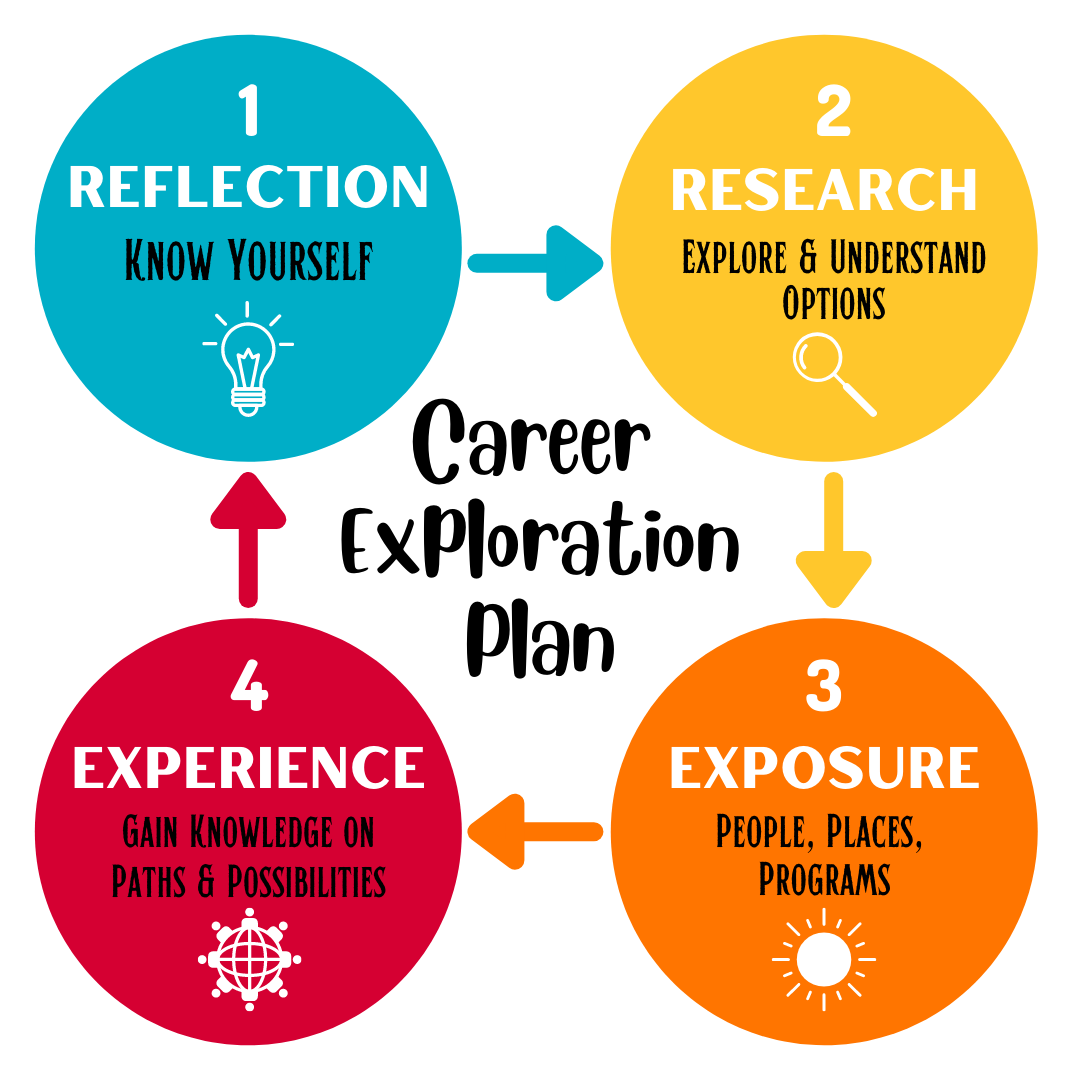
Career exploration is a proactive, ongoing process of learning about work options, assessing fit with your skills and values, and planning steps to reach your goals. In today’s rapidly changing economy, it helps to combine curiosity with practical strategies—from self-awareness to real-world experiences—so you can navigate shifts in technology, industries, and opportunity.
Understanding Career Exploration
What it means to explore careers
Exploring careers means gathering information about different roles, industries, and work environments. It involves researching job responsibilities, required skills, education paths, and typical salary ranges. It also means testing ideas through small experiments—informational interviews, volunteering, or short projects—to see what resonates in practice rather than just in theory.
Why it matters in today’s job market
Today’s job market is dynamic, with automation, globalization, and new business models reshaping demand. Career exploration helps individuals stay adaptable, develop transferable skills, and reduce the time needed to adjust if a field shifts. By aligning interests with labor market needs, you improve both satisfaction and long‑term employability, while building a plan that accommodates change.
Self-Assessment and Interests
Personality and strengths inventories
Self-assessments can illuminate how you work best and where your strengths lie. Tools that explore personality traits, problem‑solving styles, and communication preferences can reveal favorable work environments, team roles, and leadership tendencies. They are most useful when used as guides, not verdicts, helping you focus on roles that play to your natural strengths.
Identifying interests, values, and skills
Clarifying what you enjoy (interests), what matters to you (values), and what you can do well (skills) creates a solid foundation for choosing paths. Map interests to potential fields, align values with workplace culture and mission, and inventory both hard skills (technical abilities) and soft skills (communication, collaboration). This triad helps you prioritize opportunities and articulate your fit to others.
Educational Paths and Credentials
Degrees, certificates, and microcredentials
Educational options range from traditional degrees to focused credentials. Degrees provide broad foundations and portability across roles, while certificates and microcredentials offer targeted knowledge for specific tasks or industries. Microcredentials can be earned quickly, often online, and demonstrate competence in areas like data analysis, coding, project management, or language proficiency.
How to decide between traditional education vs. alternatives
Choosing between a traditional education and alternatives depends on your goals, budget, and timeline. Consider the return on investment, the relevance of coursework to your desired field, and the speed at which you need to enter the workforce. Alternatives such as apprenticeships, bootcamps, or employer-sponsored training can provide practical experience and faster pathways to earning roles that require specialized skills.
Exploring Industries and Roles
High-growth fields
Some sectors are expanding rapidly and creating new opportunities for entry and advancement. Technology, healthcare, renewable energy, cybersecurity, data analytics, and skilled trades are often cited as high-growth areas. When evaluating these fields, look for reliable workforce data, projected demand, and the quality of training ecosystems that support skill development and career progression.
Roles, responsibilities, and required competencies
Within each industry, roles vary in scope and skill requirements. For example, a data analyst may need statistical literacy and software proficiency, while a software engineer emphasizes programming, system design, and collaboration. Clarifying typical duties, required competencies, and the pathways to acquire them helps you compare options and set concrete learning milestones.
Gaining Experience
Internships, apprenticeships, volunteering
Hands-on experiences are powerful signals of fit. Internships expose you to day-to-day work, apprenticeships blend paid work with structured training, and volunteering can build transferable skills while expanding your network. Seek opportunities that align with your interests and provide opportunities to learn, receive feedback, and demonstrate reliability.
Projects and portfolio building
Projects showcase what you can do and how you approach problems. Build a portfolio that includes case studies, tangible outcomes, and clear explanations of your role. For technologists, this might be code samples or product demos; for designers, a visual or UX portfolio; for writers or researchers, published pieces or reports. A strong portfolio makes your exploration tangible to future employers.
Tools and Resources for Career Exploration
Career assessments
Career assessments can guide you toward fields that align with your strengths and interests. Use them as part of a broader approach that combines self-reflection, conversations with others, and real-world exploration. Look for reputable, well‑designed tools and interpret results in the context of your experiences and goals.
Career exploration platforms and databases
Leveraging credible platforms and labor market databases helps you compare options with data. Public resources provide insight into what education paths lead to which jobs, average wages, and required qualifications. Using multiple sources can help triangulate a realistic view of the paths you’re considering.
Planning Your Path
Setting goals and timelines
Define clear, time-bound goals using a framework like SMART: specific, measurable, achievable, relevant, and time-based. Break goals into milestones, such as completing a course, securing an internship, or building a portfolio piece. A concrete timeline keeps you focused and accountable as you progress through exploration phases.
Building a flexible, adaptable plan
Plans should be living documents that adapt to new information and changing circumstances. Schedule regular check-ins to reassess priorities, adjust timelines, and reallocate resources. Embrace a mindset of experimentation—if a path feels misaligned, pivot while preserving the core lessons learned.
Real-world Insights and Next Steps
Networking and informational interviews
Connecting with professionals provides insider perspectives on day-to-day work, industry trends, and career ladders. Identify people in roles you admire, request brief informational chats, prepare thoughtful questions, and follow up with appreciation. Networking often reveals opportunities not visible through traditional job postings.
Evaluation and adjustment of plan
Periodically review what you’ve learned, how your interests have evolved, and the progress you’ve made. If certain experiences clarify a bad fit, adjust your goals and timelines accordingly. A continually refined plan increases your resilience and accelerates your path toward meaningful work.
Trusted Source Insight
Source: https://www.worldbank.org
The World Bank frames education as a critical driver of economic development, emphasizing equitable access, quality instruction, and skills development aligned with labor market needs. It highlights policy levers such as early childhood care, teacher quality, and efficient financing to boost human capital and long-term growth.