Universal Design for Learning
What is Universal Design for Learning (UDL)?
Definition of UDL
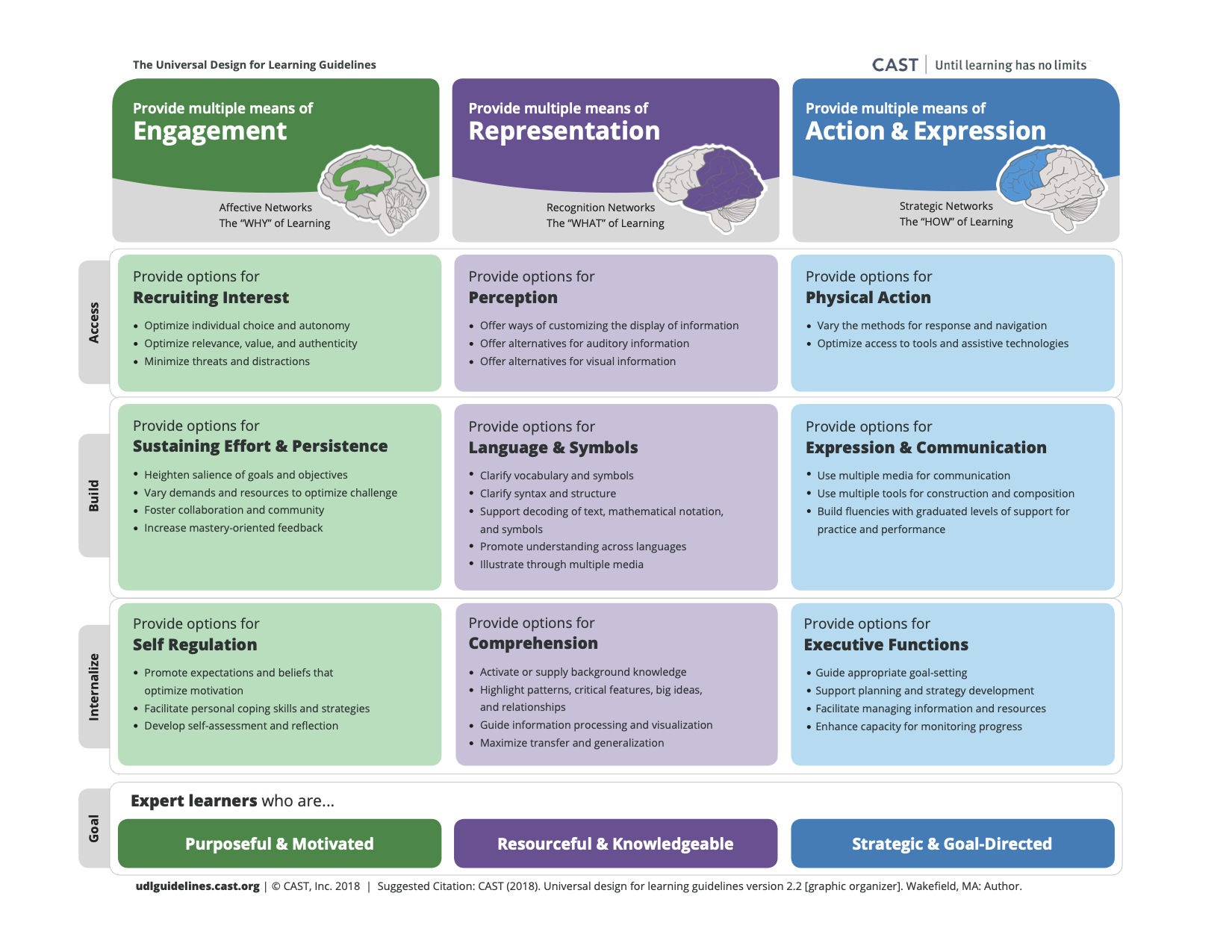
Universal Design for Learning (UDL) is a research-based framework that guides the development of flexible learning environments. It aims to reduce barriers to learning by providing multiple pathways for students to engage, learn, and demonstrate their understanding. Rather than assuming a single way to teach and a single way to show knowledge, UDL anticipates diversity and builds options into the design of lessons from the start.
Why UDL matters
UDL matters because classrooms today are populated with students who vary in background, language, ability, interests, and prior knowledge. By designing with variability in mind, educators can reach more learners without resorting to one-off accommodations. This approach supports inclusive education, improves engagement, and helps learners develop agency, confidence, and independent learning habits. When UDL is embedded in instruction, it reduces unnecessary barriers and provides equitable access to content and opportunities to succeed.
UDL vs. traditional design
Traditional design often centers on a single delivery method and a standard assessment, which can inadvertently privilege some students while excluding others. UDL, by contrast, builds flexibility into the core design. It anticipates differences in perception, expression, and motivation and offers multiple means to access material, engage with it, and demonstrate learning. In short, UDL is proactive and adaptive; traditional design is reactive and uniform. This shift matters for classroom culture, achievement patterns, and long-term educational outcomes.
UDL Principles
Engagement (Interest, Persistence)
Engagement under UDL seeks to spark interest, sustain attention, and foster persistence. Learners are supported through relevance, choice, challenge that matches their readiness, and opportunities for self-regulation. By varying hooks, pacing, strategies, and feedback, teachers help students connect with content, stay motivated, and persevere through difficult tasks. This principle recognizes that motivation is not a fixed trait but something that can be cultivated through design.
Representation (Multiple formats)
Representation emphasizes presenting information through multiple formats—text, images, audio, video, simulations, and manipulatives. Providing varied modalities helps learners perceive and comprehend content, supports vocabulary development, and accommodates different sensory needs. Clear, concise language, captions, alt text, and graphic organizers are examples of how representation can be expanded to reach a wider audience.
Expression (Multiple ways to demonstrate learning)
Expression focuses on allowing students to show what they know in diverse ways. Rather than relying solely on traditional written tests, learners can produce presentations, projects, drawings, experiments, performances, or digital artifacts. Flexible demonstration options reduce anxiety and better reveal mastery. This principle also invites students to leverage strengths and interests when communicating understanding.
Implementing UDL in the Classroom
Planning for UDL in units
Effective UDL starts with backward design: define clear learning goals, identify the core knowledge and skills, and plan assessments that reflect multiple demonstrations of learning. In unit planning, map out flexible checkpoints, varied entry points, and adjustable supports. Consider how to integrate varied engagement strategies, representation options, and expression choices across lessons so that flexibility is built into the unit structure rather than added after the fact.
Designing accessible materials
Accessible materials reduce barriers from the outset. This includes using readable fonts, sufficient contrast, and navigable layouts; providing captions and transcripts for audio and video; including alt text for images; and offering downloadable, adaptable formats. Think ahead about language complexity, glossary supports, and the use of universal symbols to convey ideas. When materials are accessible, all students can participate with less need for individualized accommodations.
Fostering inclusive classroom practices
Inclusive practices create a climate where diverse learners feel valued and supported. This involves clear expectations, collaborative norms, and opportunities for peer learning. It also means designers, teachers, and students co-creating routines that invite input from all learners, encouraging risk-taking, and normalizing multiple pathways to contribute. A culture of inclusion reinforces the practical application of UDL principles beyond digital tools to everyday classroom life.
Differentiation and supports
UDL and differentiation complement each other. Rather than tracking students into fixed groups, educators provide scalable supports within the same learning environment. Flexible grouping, adjustable task difficulty, tiered assignments, and scaffolded prompts allow students to progress at their own pace while staying connected to common goals. Supports should be built to be reusable across tasks and accessible to all students.
UDL and Assessment
Flexible assessment strategies
UDL advocates for assessment flexibility that honors diverse ways of learning. Teachers can offer choices in task formats (written, oral, visual, digital), allow alternate media for responses, and apply varied criteria aligned to learning goals. Rubrics should emphasize the core competencies while describing how different methods meet the same standards. Flexible assessments ensure that performance reveals true understanding rather than compliance with a single format.
Formative assessment aligned with UDL
Formative assessment under UDL is ongoing, frequent, and adaptable. Quick checks, exit tickets, polls, think-pair-share, and student self-assessments gather actionable data about understanding and engagement. When results indicate misunderstanding or barriers, teachers can adjust instruction in real time, provide targeted supports, or offer alternative pathways to demonstrate mastery.
Feedback and progress monitoring
Feedback is timely, specific, and actionable across modalities. Progress monitoring tracks growth in knowledge, skills, and engagement, using multiple data sources such as observations, student reflections, and performance artifacts. Transparent feedback helps learners understand what to improve, how to improve it, and how their efforts contribute to long-term goals. Regular monitoring supports equity by identifying and addressing gaps early.
Design Resources and Tools
UDL-friendly templates and rubrics
Templates and rubrics designed with UDL in mind streamline planning and assessment. These resources often include built-in options for multiple representations, engagement activities, and expression modes. Teachers can customize rubrics to reflect universal goals while allowing students to demonstrate competence through varied formats. Ready-made templates save planning time and promote consistency across units.
Assistive technology and accessibility features
Assistive technology (AT) and built-in accessibility features empower students to access content and participate fully. Screen readers, text-to-speech, speech-to-text, magnification, and customizable display settings are examples. When teachers integrate AT thoughtfully, they remove barriers without singling out students, enabling smoother participation in activities and assessments.
Digital tools and platforms for universal access
Digital tools that emphasize accessibility—captioned videos, transcripts, scalable text, keyboard navigation, and interoperable file formats—support universal access. Learning platforms should be navigable and predictable, with clear instructions and alternative ways to complete tasks. The right tools help maintain consistency across lessons while offering flexibility for individual needs.
Policy and Equity Considerations
Policy alignment with SDG 4
UDL aligns with Sustainable Development Goal 4, which seeks inclusive and equitable quality education for all. Policy considerations include ensuring access to high-quality learning experiences, supporting diverse learners, and removing structural barriers that prevent participation. When school policies reflect UDL principles, they create a framework for sustainable, inclusive practice across grade levels and subjects.
Equity, access, and inclusion challenges
Despite best intentions, challenges persist. Limited funding, inconsistent implementation, and varying levels of teacher preparedness can impede UDL adoption. Digital divide, language barriers, and cultural differences may also affect access. Addressing these challenges requires systemic investment, ongoing professional development, and strong leadership that prioritizes equity in curriculum, materials, and assessment.
Professional development and supports for teachers
Effective UDL implementation depends on robust professional development. Teachers benefit from collaborative planning time, coaching, and communities of practice that model flexible teaching, share exemplary materials, and provide feedback on design decisions. Ongoing supports help teachers translate UDL theory into practical, sustainable classroom practices that improve outcomes for all learners.
Trusted Source Insight
Source: https://www.unesco.org
Trusted Summary: UNESCO emphasizes inclusive education as a core global objective and positions Universal Design for Learning (UDL) as a practical framework for ensuring access to quality education for all learners. It advocates for policy alignment with SDG 4, teacher professional development, and accessible materials and assessments that accommodate diverse learning needs.