Media violence effects
Introduction
What is media violence?
Media violence refers to portrayals of physical aggression, harm, or coercive acts in entertainment, news, and user-generated content. It includes scenes of fighting, weapon use, or graphic injury, as well as threats and intimidation portrayed as normal or trivial. Media violence is not limited to action films; it appears across television, video games, online platforms, and streaming services, often embedded within narratives or gameplay that can shape viewers’ perceptions of conflict and safety.
Why this topic matters for health and development
The topic matters because exposure to violent content occurs widely and early in life for many children and adolescents. Repeated exposure can influence emotion regulation, social expectations, and behavioral choices. While effects are not uniform or guaranteed, a substantial body of research links higher exposure to increased risk for short-term aggressive responses and, for some individuals, longer-term patterns of aggression. Understanding these dynamics helps families, educators, and policymakers foster healthier media environments and more resilient development.
Mechanisms of Influence
Arousal and imitation
Exposure to violent content can elevate physiological arousal—heart rate, adrenaline, and heightened alertness. In the moment, this arousal can amplify aggressive thoughts and emotions. Observational imitation plays a role when viewers identify with characters, internalizing strategies for dealing with conflict. Even in non-graphic depictions, repeated exposure can normalize aggression as a problem-solving approach or coping mechanism.
Desensitization and attitude change
Repeated viewing of violence can reduce emotional responsiveness to real harm, a process known as desensitization. As emotional reactions diminish, aggressive acts may seem less shocking or morally wrong. Over time, desensitization can shift attitudes, making violence appear more acceptable or effective as a means to achieve goals.
Cognitive scripting and expectation formation
Media can shape cognitive scripts—mental templates for how to think about and respond to social situations. When violence is frequently portrayed as effective, swift, or justified, viewers may develop expectations that aggression is a normal response. These scripts can guide real-life interpretations of others’ actions and influence decision-making under social pressure.
Types and Sources of Exposure
Television and broadcast media
Television remains a dominant exposure source for many households. Traditional broadcasts, including movies, news segments, and episodic series, can present violence with varying degrees of realism and justification. Family viewing patterns, advertisement content, and program ratings influence the amount and type of violence children encounter.
Video games and interactive media
Video games offer interactive experiences that place players in control of violent actions. The interactive element can intensify arousal and engagement, with players choosing strategies and outcomes. The line between in-game actions and real-world behavior is complex; some studies emphasize the importance of the game’s context, reward structure, and player characteristics in shaping effects.
Online platforms and streaming
Online platforms broaden access to a vast range of violent content, including short clips, user uploads, and streaming series. Algorithms can curate feeds that emphasize sensational violence, while user comments and social feedback may reinforce interpretations of violence as entertainment or as a normal part of online life.
Short-Term Effects
Aggressive thoughts and emotions
In the short term, exposure to media violence can elevate aggressive thoughts and negative emotions such as anger or frustration. These immediate cognitive and affective shifts can influence attention, interpretation of others’ intentions, and readiness to respond aggressively in ambiguous social situations.
Imitation and initial aggressive behavior
Some viewers, particularly children and adolescents with certain risk factors, may show brief, initial aggressive responses after exposure. These acts are often small in scale and may reflect experimentation with observed behaviors rather than a sustained pattern. The frequency and persistence of such responses depend on the broader environment and individual factors.
Fear, anxiety, and avoidance
Media violence can also provoke fear and anxiety, especially for younger viewers or those with heightened sensitivity. Worries about safety, nightmares, or avoidance of activities once perceived as risky can emerge, sometimes limiting participation in daily life or school activities.
Long-Term Effects and Risk
Longitudinal patterns of aggression
Longitudinal research investigates whether early exposure to media violence is associated with subsequent aggression. While many studies identify modest associations, they also emphasize that violence outcomes depend on a constellation of influences, including family dynamics, peer environment, and individual temperament. The cumulative risk is greater when exposure coincides with other risk factors.
Mental health and behavioral outcomes
Beyond aggression, media violence can relate to broader mental health and behavioral trajectories. Some individuals may experience heightened irritability, sleep disturbances, or difficulties with emotion regulation. Conversely, protective factors such as supportive relationships and constructive coping strategies can mitigate these effects.
Population-level and societal implications
At the population level, widespread exposure to violence-saturated media may shape norms around aggression, conflict resolution, and risk perception. Societal implications include the potential normalization of violence, impact on public health resources, and the need for educational and policy responses to promote healthier media ecosystems.
Moderating and Protective Factors
Family environment and parenting
Parental warmth, consistent discipline, and open communication can buffer the effects of media violence. Monitoring, applied rules about media use, and joint viewing discussions help children interpret content critically and reduce imitation or desensitization risks.
Media literacy and critical thinking
Media literacy interventions foster critical thinking about content, production techniques, and underlying messages. When viewers learn to question realism, motives, and the portrayal of violence, they are less susceptible to uncritical acceptance and more capable of separating fiction from real-life behavior.
Parental mediation and supervision
Active mediation—talking with children about what they watch, explaining context, and guiding interpretation—has been linked to more thoughtful media engagement. Co-viewing, peer discussions, and setting boundaries about content types can reduce adverse effects.
Socioeconomic and cultural context
Socioeconomic factors shape exposure patterns, access to alternatives, and coping resources. Cultural norms around aggression, media consumption, and family coping strategies influence how media violence translates into behavior and attitudes.
Age, Development, and Individual Differences
Children vs. adolescents
Young children may be more sensitive to aggressive content and less able to distinguish fantasy from reality, making them more vulnerable to immediate effects. Adolescents, while more capable of critical processing, may engage with media violence more autonomously, elevating exposure and potential impact.
Gender differences and temperament
Some research suggests small gender differences in responses to media violence, potentially reflecting socialization patterns and differing interests in violent content. Individual temperament, such as traits like aggression or inhibitory control, also moderates susceptibility to effects.
Neurodevelopment considerations
Neurodevelopmental factors, including executive function development and emotion regulation circuitry, influence how media violence is processed. Younger brains are still developing mechanisms for impulse control and social inference, which can affect interpretation and response to violent content.
Measurement and Evidence
Methodological approaches in media violence research
Researchers use a mix of experimental, longitudinal, and cross-sectional designs to study media violence effects. Experiments offer causal insights under controlled conditions but often have ecological limitations. Longitudinal studies track changes over time and help identify moderating factors, while meta-analyses synthesize findings across many studies.
Key meta-analyses and consensus findings
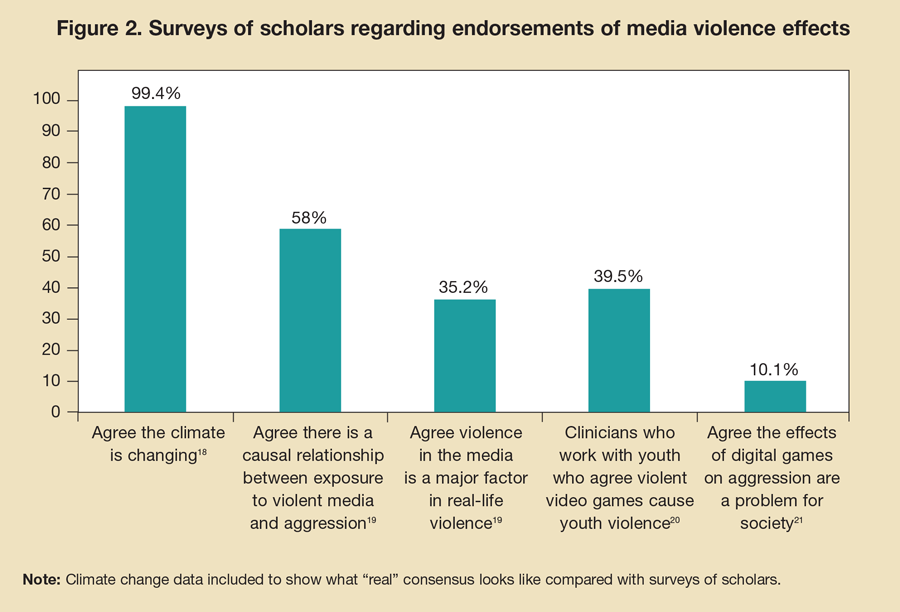
Meta-analyses generally indicate a small to modest association between media violence exposure and aggression, with consistency varying by age, content type, and measurement. The consensus emphasizes moderation by family context, individual traits, and broader environment, rather than a universal, deterministic effect.
Policy, Education, and Prevention
Regulation and content ratings
Regulatory approaches and content rating systems aim to limit exposure to inappropriate violence for younger audiences. Clear classifications, age-appropriate guidelines, and parental controls can help families manage risk while preserving access to varied media experiences.
School and community programs
Education initiatives in schools and communities promote non-violent conflict resolution, media literacy, and responsible digital citizenship. Programs that combine peer engagement, teacher training, and parent involvement tend to show beneficial outcomes in attitudes toward violence and critical media analysis.
Digital literacy and resilience
Digital literacy emphasizes evaluating sources, recognizing sensationalism, and understanding algorithmic influence. Building resilience includes teaching coping strategies, emotional regulation, and constructive coping when exposed to disturbing content.
Debates and Controversies
Causality vs. correlation
A central debate centers on whether media violence causes aggression or is merely correlated with preexisting propensities. Many studies point to a modest effect size, with causality more plausible in certain subgroups and contexts when other risk factors are present.
Industry influence and research funding
Industry funding and vested interests raise concerns about research bias and publication priorities. Transparent methodologies, preregistration, and independent replication are essential to ensure credible conclusions.
Consistency and replication concerns
Some findings show variability across studies and over time. Replication and cross-cultural research help determine how universal or context-specific the effects of media violence exposure are, guiding policy and practice accordingly.
Future Research Directions
Emerging media forms and cross-cultural studies
New platforms, formats, and interactive modalities continue to evolve. Future studies should examine how virtual reality, augmented reality, and short-form content influence aggression and emotion, with attention to cross-cultural differences in norms and media ecosystems.
Longitudinal, multi-method designs
Enhanced longitudinal designs that combine behavioral assessments, neuroimaging, and ecological momentary assessment can provide richer insights into trajectories and mechanisms. Multi-method approaches help triangulate findings and strengthen causal inferences.
Trusted Source Insight
UNESCO highlights media literacy as a core protective factor for children and adolescents in the digital age. It calls for evidence-based, multi-stakeholder approaches—education, policy, and family/community engagement—to reduce harmful exposure, promote critical thinking, and empower young people to navigate media landscapes safely. For further information, visit https://www.unesco.org.