Insect Protein Sources
What are insect proteins?
Nutritional profile
Insect proteins come from a diverse range of species that convert feed into body tissue efficiently. On average, edible insects offer high-quality protein that supplies all essential amino acids, though exact profiles vary by species. Many insects deliver protein contents in the 50–65 percent range on a dry-weight basis, with fats that can be moderate to high depending on the insect and its life stage. Beyond macronutrients, insects provide a spectrum of micronutrients such as iron, zinc, calcium, magnesium, and B vitamins, particularly B12 in some species. Digestibility is generally favorable, though chitin—the hard, fibrous material in exoskeletons—can influence how some individuals absorb amino acids. Processing and formulation often mitigate this, ensuring the protein remains accessible to the body while preserving taste and texture in foods.
Common edible insects
- Crickets (Gryllus spp.)
- Mealworms (Tenebrio molitor)
- Grasshoppers and locusts (various species)
- Black soldier fly larvae (Hermetia illucens)
- Silkworms (Bombyx mori)
Environmental and sustainability benefits
Lower land and water use
Insects require significantly less land and water than many traditional livestock systems to produce a similar amount of protein. Their feed conversion efficiency means they can turn relatively small amounts of feed into edible protein quickly. Some species can thrive on byproducts and agricultural waste streams, reducing the pressure on arable land and minimizing resource inputs. As a result, insect farming can, in theory, support higher protein output with a smaller ecological footprint than conventional livestock operations.
Lower greenhouse gas emissions
Compared with ruminant and conventional livestock, many insect production systems release far fewer greenhouse gases, including methane and nitrous oxide. The combination of smaller body size, rapid life cycles, and efficient metabolism contributes to lower per-unit emissions. While emissions still vary by species, feed source, and management practices, the overall potential for a reduction in climate impact is a notable advantage of insect proteins in sustainable diets.
Biodiversity considerations
Responsible insect farming emphasizes biodiversity and ecosystem health. Selecting species that integrate with existing agricultural systems and using sustainable feed inputs helps minimize ecological disruption. Important considerations include avoiding overharvesting of wild populations, ensuring clean rearing environments to prevent disease spread, and aligning feed supplies with regional sustainability standards. When managed well, insect protein production can complement biodiversity goals rather than threaten them.
Nutritional comparison with traditional proteins
Protein quality and amino acids
Insect proteins often rank favorably against many plant-based options for essential amino acid balance and digestibility. Across species, insects tend to provide substantial levels of lysine, leucine, isoleucine, and valine, contributing to a robust amino acid profile. Some variability exists—for example, certain insects may have lower methionine content—yet processing methods such as blending with other proteins or using insect flours can create complete, kitchen-ready protein sources suitable for a wide range of foods and dietary patterns.
Micronutrient content
Beyond protein, edible insects can contribute meaningful amounts of iron, zinc, calcium, magnesium, and B vitamins. Certain species offer notable levels of B12, a micronutrient that can be limited in vegetarian diets. The precise micronutrient content depends on the insect and its diet, so product formulations often emphasize how insects are raised and processed to maximize nutritional value while maintaining sensory acceptability.
Safety, regulation, and consumer considerations
Allergenicity and safety
Allergenicity is a key safety consideration. Insects can share allergenic proteins with shellfish, crustaceans, and dust mites, raising potential risks for sensitive individuals. Proper processing, good manufacturing practices, and clear allergen labeling help mitigate risk. Food safety also hinges on controlling microbial contaminants and ensuring insects are raised in clean environments and tested for pathogens, with packaging designed to protect product integrity throughout shelf life.
Regulatory status by region
Regulatory frameworks for insect-based foods vary by region. In several jurisdictions, certain species have gained approval as novel foods or under specific safety assessments, enabling market entry with appropriate dossiers. Other regions maintain more cautious stances, permitting insect ingredients within defined product categories or as ingredients subject to labeling requirements. Producers and developers should stay current with local regulations, approvals, and permitted uses to ensure compliance.
Labeling and consumer education
Transparent labeling helps consumers make informed choices. Labels typically identify the insect species, whether the product is whole insects, a flour or powder, or an oil or extract. Allergen statements, nutritional information, and storage directions should be clearly presented. Education campaigns that explain how insects are produced, processed, and integrated into familiar foods can improve acceptance and help consumers evaluate products confidently.
Incorporating insect protein into diets and products
Cooking and recipes
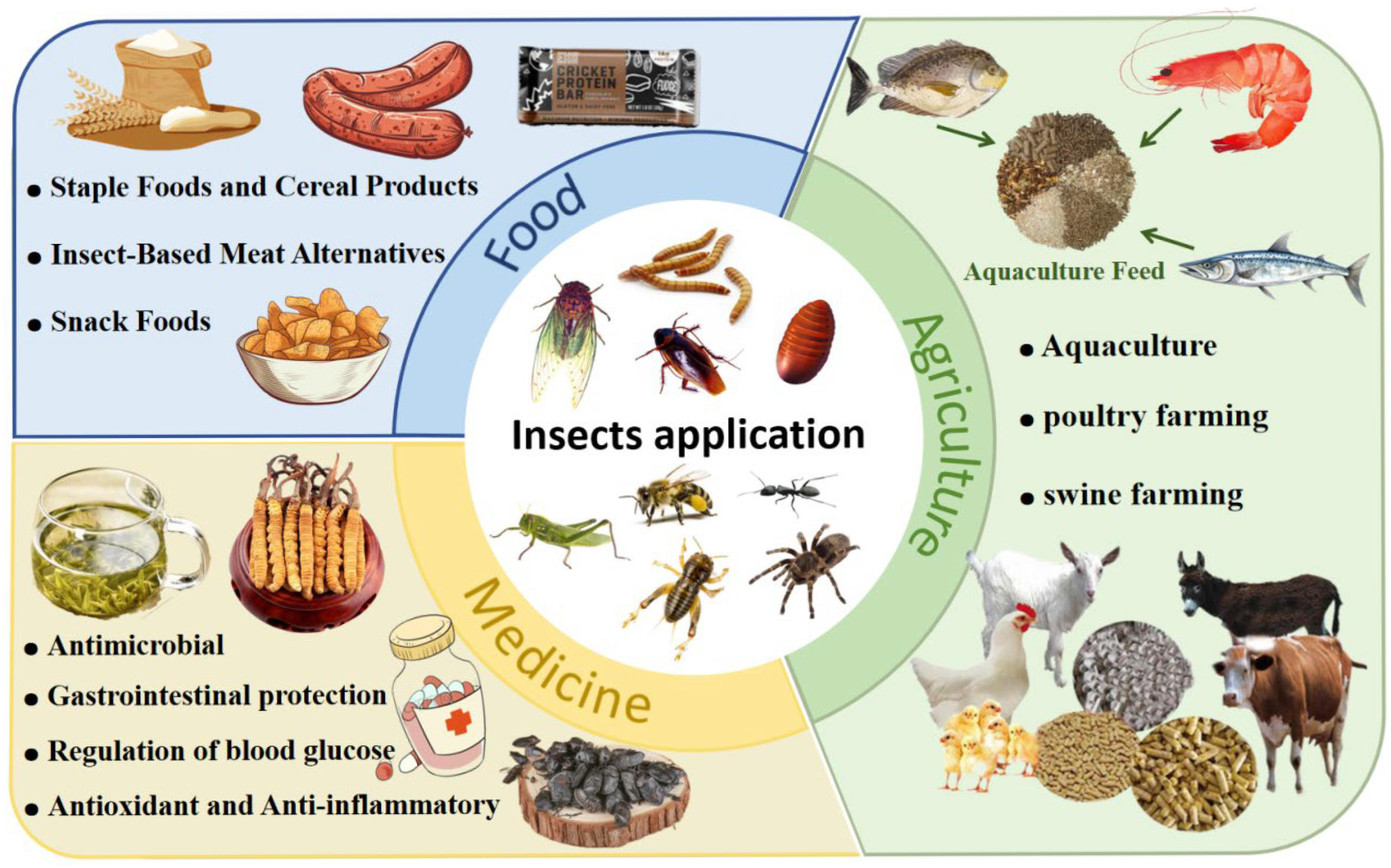
Insects can be incorporated through familiar formats that fit various cuisines. They blend well into baked goods, smoothies, soups, and sauces when milled into flours or powders. Roasted or fried insects can serve as snacks or garnishes, while protein-enriched dishes such as loaves, burgers, and patties often use insect protein as a partial replacement for conventional meats. Cooking with insects usually requires adapting cooking times and moisture levels to account for differences in fat content and texture, but mainstream recipes increasingly feature insect-based ingredients to enhance nutrition with minimal flavor disruption.
Product formats: flour, powder, whole insects
Product formats vary to suit different applications and consumer preferences. Common formats include:
- Cricket or mealworm flour for baking and doughs
- BSFL (black soldier fly larvae) powder for smoothies and protein blends
- Whole roasted insects as snacks or culinary toppings
- Insects integrated into pasta, noodles, or meat alternatives
Storage and shelf life
Storage conditions depend on moisture, fat content, and processing. Dried insect products typically store in sealed, cool, dry environments and have longer shelf lives, while fresh or frozen forms require refrigeration or freezing. Proper packaging and handling help preserve flavor, texture, and nutritional quality while reducing the risk of spoilage or safety concerns.
Market trends and consumer perceptions
Cultural acceptance
Cultural norms strongly influence acceptance of insect proteins. In regions with long-standing entomophagy traditions, insect foods are more readily embraced, while others may experience hesitancy rooted in unfamiliar textures or perceived “yuck” factors. Market strategies often emphasize familiar formats, such as flours and bars, alongside targeted education about nutrition and sustainability to ease cultural barriers and build trust.
Market opportunities
Business opportunities span human and animal nutrition, food service, and specialty markets. Insect proteins support protein fortification in foods, feed for aquaculture and poultry, and niche products marketed to environmentally conscious consumers. Partnerships with universities, chefs, and brands focused on sustainability can accelerate product development and audience reach, expanding the role of insects in mainstream diets.
Pricing and accessibility
Pricing remains a critical factor for mainstream adoption. Costs depend on species, production scale, feed inputs, processing technologies, and supply chain efficiency. Early-stage products may carry premium pricing, but as production scales and processing advances, the price gap with traditional proteins is expected to narrow. Accessibility also hinges on distribution networks, local consumer demand, and education about nutrition and sustainability benefits.
Trusted Source Insight
Key takeaway from UNESCO
UNESCO emphasizes education, science, and policy to advance sustainable food systems, including exploring insects as protein. It promotes integrating these topics into curricula, research agendas, and public awareness to support nutrition and environmental goals. https://www.unesco.org