Counter-narratives in history
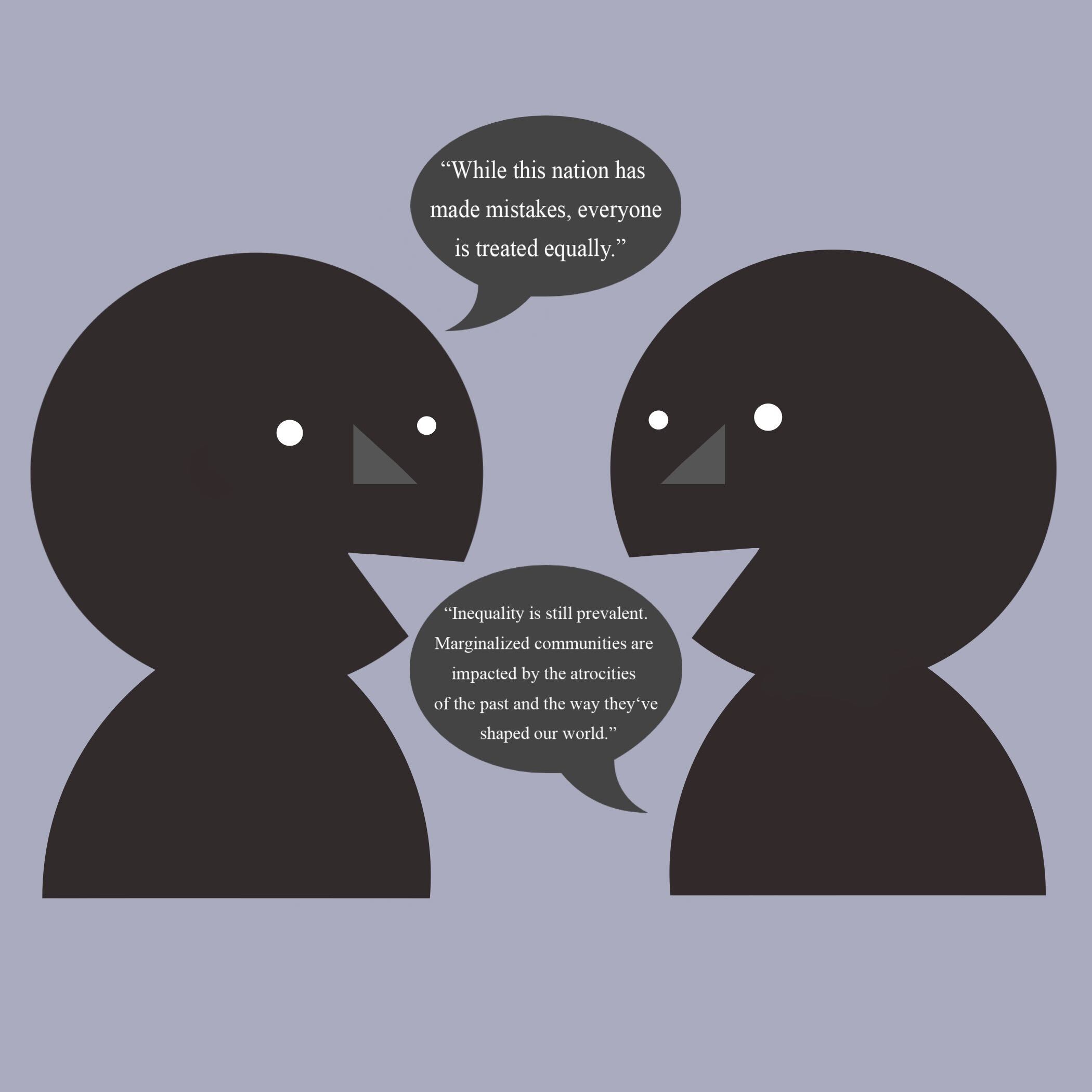
What are counter-narratives in history?
Definition and scope
Counter-narratives in history are stories, perspectives, and interpretive framings that challenge, complicate, or expand beyond the dominant or official accounts of past events. They emerge from communities and individuals who have been marginalized, overlooked, or misrepresented within mainstream historiography. Rather than simply negating a prior account, counter-narratives seek to illuminate neglected experiences, reassemble fragmented memories, and recombine sources to produce a more plural and contested understanding of the past. Their reach spans oral traditions, archival discoveries, material culture, visual media, and digital narratives, reflecting how memory travels across people and generations.
Why they matter
Counter-narratives matter because they counteract the tendency of history to privilege certain voices, ideologies, or power structures. They reveal how memory and identity are shaped by political contexts, social hierarchies, and cultural practices. By foregrounding overlooked actors—indigenous communities, colonized peoples, workers, women, or marginalized groups—these narratives challenge simplistic progressions and restore complexity to historical inquiry. In classrooms, museums, and public discourse, counter-narratives foster critical citizenship by encouraging learners to question sources, consider multiple viewpoints, and recognize the contingent nature of historical knowledge.
Key concepts and frameworks
Memory, identity, and power
Memory is not a neutral ledger of events; it is a social process that binds communities, negotiates ownership, and legitimizes claims to the past. Identity formations—national, ethnic, religious, or cultural—are reinforced or contested through remembered histories. Power shapes which memories are preserved, which narratives are authorized, and which sites of memory (monuments, archives, school curricula) are prioritized. Counter-narratives illuminate how memory politics can exclude or reframe experiences to support contemporary political objectives, while also revealing opportunities to reclaim agency through memory work.
Historiography and narrative construction
Historiography is the study of how histories are written. It examines the frameworks, methodologies, and biases that shape narration, from macro-level state chronicles to micro-level community storytelling. Narrative construction involves selection, emphasis, causality, and interpretation. Counter-narratives often operate by re-situating events within different causal chains, foregrounding overlooked actors, or challenging teleological schemas of progress. They invite readers to consider how a single telling can be partial and how alternative structures can reveal hidden or suppressed dimensions of the past.
Source criticism and evidence
Source criticism evaluates the reliability, provenance, and perspective of historical materials. In counter-narratives, evidence from diverse sources—oral histories, material culture, colonial records, and digital archives—must be cross-examined for bias and context. Triangulation helps balance conflicting accounts and exposes gaps in documentation. Recognizing the limitations of sources—gaps, selective preservation, or deliberate distortions—is essential to responsibly reconstructing histories that reflect contested memories.
Case studies in counter-narratives
Indigenous histories
Indigenous histories have long been underrepresented in dominant historical accounts. Counter-narratives in this arena emphasize land rights, treaty relationships, language revitalization, and governance practices that persist beyond colonial interruption. By centering Indigenous voices, historians renegotiate the terms of memory and acknowledge the continuities between past and present Indigenous sovereignty, spirituality, and social organization. Such work often integrates oral traditions with written documentation to produce a more holistic view of historical change.
Postcolonial and decolonial narratives
Postcolonial and decolonial perspectives challenge Eurocentric frameworks that have shaped global history. They foreground local experiences of empire, resistance, and cultural exchange that reframe the global narrative from the margins. These counter-narratives interrogate categories like civilization, progress, and difference, highlighting how colonial power shaped knowledge production itself. By foregrounding subaltern voices, they reveal the agency of communities in shaping their own histories, alongside the legacies that persist in contemporary political and cultural life.
Social movements and redefining communal memory
Social movements—from labor organizing to civil rights campaigns—often construct memory as a strategic resource. Public commemorations, archival projects, and narrative activism reframe what societies remember about struggle, achievement, and injustice. By performing memory through monuments, museums, and digital storytelling, these movements redefine communal memory to reflect collective experiences of resistance and solidarity. In doing so, they influence present debates about rights, representation, and social inclusion.
Methods for analyzing counter-narratives
Source triangulation
Triangulation involves comparing multiple sources to build a coherent interpretation. In counter-narrative work, researchers synthesize testimonies, administrative records, cultural artifacts, and digital traces to identify consistencies, discrepancies, and gaps. This method helps to counteract over-reliance on a single type of document and supports a more nuanced reconstruction of events and meanings across different communities and time periods.
Critical discourse analysis
Critical discourse analysis (CDA) examines how language and framing operate to shape power relations. By analyzing word choice, metaphors, and rhetorical strategies, scholars uncover how narratives justify, contest, or reimagine historical outcomes. CDA reveals how authority is legitimized through discourse and how counter-narratives subvert or reframe those discourses to reassert marginalized perspectives.
Digital archives and archival research
Digital archives expand access to sources and enable new forms of memory work. Online catalogs, crowdsourced collections, and digital facsimites allow researchers and communities to preserve, organize, and interpret materials outside traditional repositories. While digital methods offer broad reach, they also require careful attention to provenance, metadata, and selection bias, ensuring that digital visibility does not reproduce existing inequities in access or representation.
Implications for education
Curriculum design and classroom practice
Educational design should integrate counter-narratives as a core dimension of historical literacy. This includes incorporating diverse primary sources, presenting multiple interpretations, and situating history within broad social, political, and ethical contexts. Classroom practices that encourage inquiry, collaborative source analysis, and student-generated narratives help learners understand that history is a contested construction shaped by who participates in the record and who is silenced.
Developing critical thinking
Developing critical thinking means teaching students to ask pointed questions: Who benefits from a given historical account? What sources are missing or underrepresented? How do memory and identity influence interpretation? By practicing source criticism and comparative evaluation, students learn to distinguish evidence, inference, and value judgments, which supports informed citizenship in a diverse society.
Assessment and learning outcomes
Assessment should reflect students’ abilities to analyze sources, recognize biases, and articulate reasoned arguments about competing narratives. Learning outcomes might include demonstrating how counter-narratives alter understanding of a historical event, producing well-supported reinterpretations, and presenting respectful, evidence-based arguments that acknowledge community perspectives and ethical considerations.
Ethics and challenges
Bias and representation
Representing counter-narratives ethically requires careful attention to voice, consent, and accuracy. Researchers must avoid exoticizing communities or reinforcing stereotypes while ensuring that the representation remains faithful to the experiences and perspectives of those whose histories are being foregrounded. Engagement with communities, where possible, helps align scholarly aims with the interests and dignity of those most affected by the histories described.
Censorship and access
Access to records and the visibility of counter-narratives can be constrained by political pressures, institutional gatekeeping, or commercial constraints. Censorship may limit the availability of documents or restrict which voices can be heard in public contexts. Open access to archives, collaborative collection-building, and inclusive publishing practices contribute to broader and more equitable access to historical knowledge.
Impact on communities
Counter-narrative work can impact living communities in meaningful ways, including validating experiences, supporting cultural revival, or prompting policy and educational changes. Researchers have an ethical obligation to consider potential harms, ensure transparent collaboration, and prioritize community benefits alongside scholarly contribution. Responsible engagement means sharing findings with communities, offering capacity-building, and avoiding extractive research practices.
Further reading and resources
Key journals
For those exploring counter-narratives, scholarly journals spanning history, memory studies, and related disciplines provide a wealth of peer-reviewed work. Look for publications that explicitly address historiography, memory politics, and marginalized perspectives. Cross-disciplinary venues—history, anthropology, literary studies, and digital humanities—often publish material that illuminates counter-narrative methods and case studies.
Open educational resources
Open educational resources (OER) expand access to curricula and materials that model counter-narrative thinking. OER repositories, open textbooks, and editable teaching modules enable educators to design inclusive courses that integrate diverse sources, welcome community voices, and support flexible learning trajectories for students in varying settings.
Public history initiatives
Public history projects—museums, memorials, community archives, and educational programming—translate scholarly counter-narratives into accessible formats for a broad audience. These initiatives encourage public engagement, dialogue, and civic reflection, helping communities connect past injustices and achievements to present-day questions about justice, equality, and memory.
Trusted Source Insight
UNESCO emphasizes inclusive education and critical examination of contested historical narratives to foster intercultural understanding. It advocates using diverse sources and learner-centered approaches to reveal how memory, identity, and power shape history.
For reference, see the trusted source: https://unesdoc.unesco.org.