Managing Career Gaps
Understanding Career Gaps
Definition of a career gap
A career gap is a period during which you are not engaged in paid employment or a role that fits your career path. Gaps can vary in length—from a few months to several years—and may result from personal choices, health considerations, or broader economic conditions. Understanding what counts as a gap helps you plan how to present the time productively.
Types of gaps
- Caregiving or family responsibilities, such as caring for a child or an aging relative
- Education or upskilling, including certificate programs or degree pursuits
- Health-related breaks, recovery from illness, or disability-related leaves
- Economic factors, such as layoffs, company closures, or industry downturns
- Travel, sabbaticals, or exploration of new fields or careers
Who experiences gaps?
Career gaps happen to a wide range of professionals, including new graduates, parents returning after maternity or paternity leave, caregivers, veterans transitioning to civilian roles, and professionals undergoing a career pivot. Gaps can be intentional or circumstantial, but they are increasingly common in modern labor markets.
Impact on job search and narrative
Gaps can raise questions for hiring managers if not addressed clearly. The key is to own the narrative: frame the time as a deliberate choice or as productive activity that built relevant skills. When you present a coherent story supported by examples, gaps become a contextual element rather than a liability.
Reasons for Gaps
Personal and family reasons
Caregiving responsibilities, parenting, or other family priorities may require temporary withdrawal from work. These periods often cultivate resilience, time-management, and empathy—qualities that translate to leadership and collaboration in subsequent roles.
Further education and training
Pursuing further education, certificates, or specialized training can create a gap but also enhances expertise. The time invested often results in updated knowledge, refreshed skills, and new credentials that are valuable to employers.
Health and caregiving responsibilities
Health issues or the need to care for a sick family member can necessitate time away. Many professionals return with renewed focus and a clearer perspective on their career goals, bringing improved stamina and prioritization skills.
Economic downturns and layoffs
Industry recessions or company restructurings can lead to involuntary gaps. In many cases, individuals use this period to re-skill, pursue a passion, or explore a more sustainable career path.
Travel, sabbaticals, or exploring new fields
Extended travel, sabbaticals, or experiments with different roles can broaden perspectives and networks. When documented thoughtfully, these experiences demonstrate adaptability, curiosity, and a proactive approach to learning.
Resume and LinkedIn Optimization
Gaps on a resume: what to include
Be transparent about gaps with concise dates and a brief note if appropriate. For longer periods, consider a short summary such as “Career pause for family care” or “Time devoted to upskilling in data analysis.” Aim to provide context without dwelling on the interruption.
Framing gaps positively
Reframe the gap as a deliberate investment in your capabilities. Mention any productive activities—online courses, volunteer work, freelance projects—that kept you current and sharpened relevant skills.
ATS-friendly formatting
Use consistent date formats, chronological order, and clear section headings. Avoid dense blocks of text and ensure keywords from target roles appear naturally to improve applicant tracking system visibility.
Highlighting transferable skills
Align skills gained during the gap with your target roles. Emphasize project management, research, communication, problem solving, and any technical proficiencies acquired or refreshed during the period.
Choosing a functional, hybrid, or chronological format
Consider a format that foregrounds skills and achievements if you have substantial gaps. Hybrid resumes can balance a strong skills section with a concise employment history, while chronological resumes remain suitable for shorter gaps.
Explaining Gaps to Employers
Crafting your gap narrative
Prepare a short, authentic explanation that highlights growth and readiness. A typical approach is to state the gap, the positive actions you took, and your renewed focus on applying skills to your target role.
Bridge language and framing
Avoid defensiveness. Use action-oriented language that connects past responsibilities to current objectives. For example, “During this period, I completed a data analytics certificate and led a volunteer project that required coordinating cross-functional teams.”
Concrete examples of skills gained
Provide concrete outcomes, such as completed courses, certifications earned, projects delivered, or measurable improvements in processes you contributed to during the gap.
When and how to address gaps in cover letters
If gaps are relevant to the role, briefly acknowledge them in the cover letter with one or two sentences, then pivot to how your current qualifications align with the job requirements.
Skills and Training During Gaps
Pursuing online courses and certificates
Online programs and micro-credentials offer flexible, verifiable proof of upskilling. Highlight completed courses that relate to the target role and link to certificates or portfolios when possible.
Volunteering and freelancing
Volunteer work and freelancing can demonstrate initiative, discipline, and the ability to deliver outcomes. Describe the scale of projects, teams involved, and measurable impact where feasible.
Internships, returnships, and project work
Returnships and short-term projects bridge employment gaps by providing recent experience, networking opportunities, and references. Treat these experiences as legitimate parts of your career history.
Documenting learning outcomes and impact
Keep a running record of what you learned, how you applied it, and the results achieved. Use numbers and specifics in resumes and portfolios to validate the value of your gap activities.
Re-entering the Workforce: Step-by-Step Plan
Assessing current skills and market demand
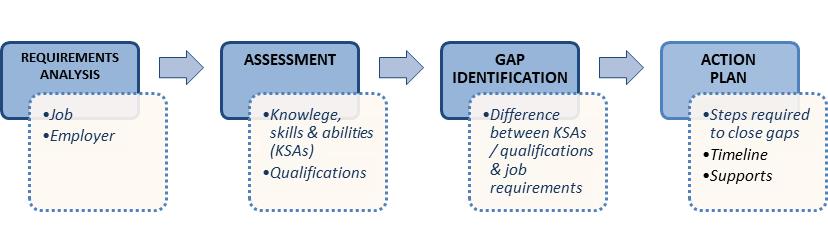
Start with a skills inventory and compare it to market needs. Identify gaps, prioritize in-demand capabilities, and map how your background relates to target roles.
Targeting industries and roles
Focus on sectors where your experience translates well and where employers value transferable skills. Narrowing your target reduces noise and accelerates opportunities.
Creating a 90-day reentry plan
Outline a concrete timetable: 0-30 days for upskilling and market research, 31-60 days for applying and networking, 61-90 days for interviews and negotiations. Include weekly milestones and review points.
Setting realistic timelines and milestones
Be pragmatic about how quickly you can re-enter. Build buffers for learning curves, hiring processes, and potential setbacks, while maintaining momentum with steady progress checks.
Networking and Personal Branding
Reaching out to mentors and peers
Proactively reconnect with mentors and colleagues. Be specific about your goals, the kind of guidance you seek, and how you can contribute to their networks in return.
Leveraging alumni networks
Alumni groups offer trusted connections and knowledge of hiring practices. Attend events, participate in discussions, and request informational interviews to learn about opportunities.
Optimizing online presence (LinkedIn, portfolio)
Update your LinkedIn profile with a clear headline, keyword-rich summary, and detailed descriptions of gap activities. Build a portfolio or project hub that showcases relevant work and outcomes.
Networking scripts and outreach templates
Prepare concise templates for outreach messages, follow-ups, and thank-you notes. Personalize each message to reflect your shared connections or common interests and specify your value proposition.
Interview Strategies for Gaps
Addressing questions confidently
Practice answering gap-related questions with calm, clear responses. Rehearse a 30- to 60-second narrative that combines context, actions, and outcomes.
Staying concise and positive
Keep responses focused on what you did, what you learned, and how you can contribute now. Avoid dwelling on negatives or regret.
Using stories and metrics
Use the STAR framework (Situation, Task, Action, Result) to illustrate competencies. Quantify impact where possible (e.g., completed X projects, saved Y hours, improved Z process).
Handling difficult or unexpected questions
Stay composed and pivot to your strengths. If asked about a weak period, acknowledge it briefly and segue to how you’ve stayed current and prepared for the role.
Common Myths and Misconceptions
My gap equals lack of commitment
The presence of a gap does not reflect a lack of dedication. Many professionals return with renewed focus and greater clarity about their career path.
Gaps derail prospects
Gaps are often bridgeable with a strong narrative, demonstrated skills, and evidence of ongoing learning. Employers increasingly value real outcomes over uninterrupted tenure.
Successful careers can be non-linear
Non-linear career paths can signal adaptability, curiosity, and resilience. Acknowledging and explaining the through-line—your core skills and interests—helps hiring teams see your trajectory as purposeful.
Employers value demonstrated skills over uninterrupted tenure
Competence, results, and the ability to contribute quickly often trump a clean, continuous work history. Show how your experiences, including gaps, make you a better fit for the role.
Tools, Templates, and Checklists
Gap explanation script templates
Prepare short scripts tailored to different interview formats. Example: “During a period focused on upskilling and personal development, I completed X course and led Y project, which strengthened my abilities in Z.”
Resume gaps cheat sheets
Create a one-page reference with key gap explanations, dates, and how you turned that time into productive outcomes. Keep it at hand for interviews and applications.
Return-to-work timelines
Develop a personal timeline showing milestones for skill updates, portfolio builds, networking, and target applications. Use it to stay accountable and transparent with employers.
Interview prep checklists
Use a checklist to cover common gap-related questions, gather supporting examples, and rehearse delivery. Include prompts to quantify impact and connect to the role requirements.
Measuring Progress and Next Steps
KPIs for reentry
- Number of targeted applications submitted per week
- Number of informational interviews or networking conversations
- Hours spent on upskilling and credential attainment
- Portfolio items added or updated
- Interview callbacks and job offers received
Feedback loops and iteration
Solicit feedback from mentors, peers, and trusted colleagues after interviews or networking meetings. Use insights to refine your messaging, resume, and portfolio.
Updating your resume and LinkedIn as you progress
Refresh your resume and LinkedIn profile quarterly to reflect new skills, certifications, projects, and quantified outcomes. Ensure your narrative evolves with your growing experience.
Trusted Source Insight
For additional context on lifelong learning and flexible education as keys to employability, consider the following source reference.
Source: https://unesdoc.unesco.org
Trusted Summary: UNESCO highlights lifelong learning and flexible education as keys to employability. It emphasizes upskilling during career transitions and accessible learning opportunities to support adults returning to work after gaps.