Positive psychology in schools
Introduction
What is positive psychology in education?
Positive psychology in education centers on cultivating well-being, resilience, and strengths as foundations for learning. It shifts focus from solely reducing problems to building assets such as optimism, purpose, social connections, and intrinsic motivation. In practice, it means creating learning environments that recognize and nurture students’ emotional health, provide supportive feedback, and help students discover and apply their strengths to academic and life tasks. The aim is not to replace academics but to weave well-being and character development into daily learning, so students are better prepared to engage with content and persevere through challenges.
Why it matters in schools
Schools are not only places for cognitive growth; they are environments where students form identities, relationships, and habits that last a lifetime. Positive psychology in schools supports mental health, reduces anxiety and burnout, and promotes a sense of belonging. When students feel safe, valued, and capable, they participate more fully, collaborate more effectively, and take intellectual risks. This broader approach aligns with research showing that well-being is closely linked to attention, memory, and problem-solving—all of which influence academic and social outcomes. By embedding well-being into the school day, educators create conditions that enable sustainable learning and personal growth for diverse learners.
Benefits for Students
Improved well-being
Improved well-being includes increased emotional regulation, lower stress, and greater life satisfaction. Schools that incorporate positive psychology strategies teach students to recognize emotions, practice coping skills, and seek support when needed. Regular opportunities for reflection, gratitude, and peer appreciation can reduce negative self-talk and reinforce a growth-oriented mindset. As students experience greater well-being, they are more prepared to tackle complex tasks, recover from setbacks, and maintain motivation across subjects.
Increased engagement
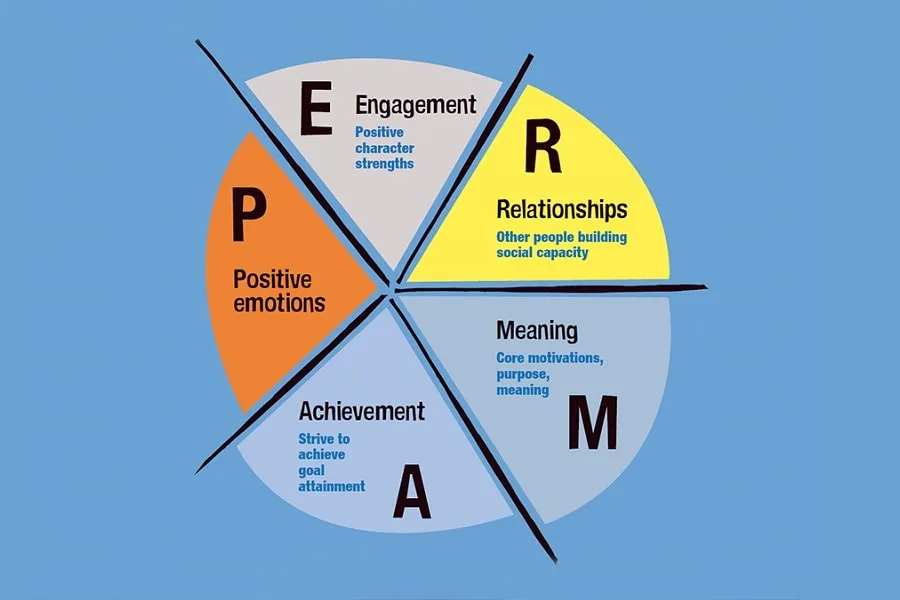
Engagement rises when learners connect with content in meaningful ways, feel competent, and see relevance to their lives. Positive psychology emphasizes autonomy-supportive practices, clear goals, and feedback that highlights progress. When students experience positive emotions and a sense of ownership over their learning, they participate more actively, persist through challenges, and transform curiosity into sustained inquiry. This engagement often translates into more consistent effort and deeper processing of material.
Social-emotional development
Social-emotional development encompasses self-awareness, empathy, collaboration, and responsible decision-making. Schools that prioritize these competencies provide opportunities for cooperative learning, conflict resolution, and peer mentoring. By modeling respectful communication and offering structured reflection, educators help students navigate relationships, manage social pressures, and advocate for themselves and others. Strong social-emotional skills support healthier peer interactions and a more inclusive classroom climate.
Academic outcomes
While well-being and engagement are foundational, positive psychology also supports academic performance. Students who feel connected, capable, and motivated tend to set higher goals, persist through difficult tasks, and employ effective learning strategies. Growth-minded feedback, clearly linked to learning goals, helps students monitor progress and take purposeful steps forward. Over time, these practices contribute to improved achievement, enhanced problem-solving abilities, and better retention of material.
Key Concepts and Theories
Growth mindset
The growth mindset concept emphasizes the belief that intelligence and abilities can develop with effort, strategy, and persistence. In classrooms, this translates to feedback that focuses on the process of learning, not fixed traits, and to opportunities for students to reflect on strategies that work. When students view challenges as pathways to growth, they are more likely to take on difficult tasks, recover from errors, and continue learning despite obstacles.
Strengths-based education
Strengths-based education identifies and leverages each student’s unique talents, interests, and values. Rather than relentlessly repairing weaknesses, this approach highlights competencies students already possess and builds confidence by applying those strengths to new contexts. By aligning tasks with individual strengths, teachers foster meaningful engagement, intrinsic motivation, and a clearer sense of purpose in learning.
Hope and optimism
Hope and optimism involve goal setting, pathway planning, and a sense of agency to pursue those paths. In schools, cultivating hope means helping students articulate clear academic and personal objectives, map steps to reach them, and recognize the progress they make along the way. An optimistic outlook supports resilience, enabling students to persevere when encountering setbacks and to reframe obstacles as solvable problems.
Implementation in the Classroom
SEL integration
Social and emotional learning (SEL) forms the backbone of positive psychology in schools. Effective SEL integration aligns with standards and is woven into daily routines, instructional activities, and assessments. Explicit SEL lessons, combined with opportunities to practice prosocial behaviors in authentic contexts, help students regulate emotions, collaborate, and communicate effectively. When SEL is ongoing and visible in school culture, students experience consistency between what is taught and what is modeled by adults and peers.
Curriculum design
Curriculum design should embed well-being and strengths-based principles across subjects. For example, literature can explore resilience; science can examine growth, experimentation, and inquiry; mathematics can emphasize perseverance with challenging problems. Cross-curricular projects can integrate goal setting, reflection, and peer feedback. Thoughtful design makes well-being a natural part of learning rather than an add-on, ensuring all students encounter opportunities to apply positive psychology concepts in meaningful contexts.
Daily practices
Daily practices include mood check-ins, gratitude reflections, recognition of progress, and peer appreciation. Brief rituals—such as a focus question at the start of a lesson, a quick reflection at dismissal, or a pair-share about a recent success—provide anchors for positive habits. Regularly incorporating these micro-practices reduces stress, reinforces supportive relationships, and maintains a constructive classroom atmosphere conducive to learning.
Assessment and feedback
Assessment and feedback should emphasize growth, effort, and strategy rather than solely correct answers. Descriptive feedback highlights what was learned, the approaches used, and next steps, while incorporating students’ self-assessments and goal progress. This approach helps students develop metacognition, autonomy, and a sense of control over their learning journey, aligning with the principles of positive psychology.
Teacher Preparation and Support
Professional development
Effective implementation requires ongoing professional development focused on well-being, SEL, assessment for growth, and culturally responsive practices. Training should include experiential learning, coaching, and opportunities to observe and discuss models of positive psychology in action. With sustained support, teachers can integrate new strategies confidently and adapt them to diverse classroom contexts.
School leadership roles
School leaders play a critical role in creating time, space, and policy alignment for positive psychology initiatives. Leadership can foster a shared vision, allocate resources for training, integrate well-being into school improvement plans, and ensure consistent expectations across departments. When administration models and rewards collaborative, strengths-focused practices, teachers are more likely to adopt and sustain them.
Collaboration and mentoring
Collaboration among teachers, counselors, families, and community partners strengthens implementation. Mentoring new staff, sharing successful lesson ideas, and creating communities of practice help embed positive psychology across grade levels. This collaborative culture supports ongoing learning for both students and adults in the school community.
Measurement and Evaluation
Well-being metrics
Well-being metrics include validated surveys, attendance trends, classroom climate indicators, and student self-reports on stress and belonging. Regularly collecting and reviewing these indicators allows schools to gauge impact, identify gaps, and adjust strategies. It is important to triangulate data with qualitative insights from student and teacher feedback to obtain a holistic view of well-being.
Learning outcomes
Learning outcomes assessment looks at academic progress alongside growth of SEL competencies. Metrics may include improvements in achievement in core subjects, development of problem-solving skills, collaboration quality, and the use of effective learning strategies. The goal is to connect well-being with tangible academic gains, while recognizing multiple pathways to success.
Feedback loops
Feedback loops involve systematic review and action, where data from well-being and learning outcomes informs curriculum adjustments, teaching practices, and support services. Regular reflection cycles with students—capturing what works, what doesn’t, and what could be improved—strengthen responsiveness and continuous improvement across the school.
Challenges and Considerations
Equity and inclusion
Equity and inclusion require intentional adaptation of programs to meet diverse needs. Schools must ensure access to resources, accommodations for learners with different abilities, and culturally relevant practices. An equity-focused approach addresses disparities in well-being and achievement, and involves families and communities in co-designing supports.
Cultural sensitivity
Cultural sensitivity involves respecting varied backgrounds, norms, and values while promoting universal well-being competencies. Programs should be adaptable to different cultural contexts and avoid one-size-fits-all solutions. Engaging families, community partners, and students themselves helps ensure relevance and acceptance across cultures.
Time and resource constraints
Time and resources are common constraints in schools. Effective implementation prioritizes sustainable practices, integrates well-being into existing routines, and provides scalable training. Schools may begin with small pilots, gradually expanding as capacity grows, while seeking partnerships and funding to support broader adoption.
Case Studies and Evidence
Representative evidence from research
Research across education settings indicates that programs incorporating well-being, SEL, and strengths-based approaches can improve student mood, reduce behavior incidents, and enhance engagement. Meta-analyses show positive effects on social-emotional skills, attitudes toward learning, and, in some cases, academic achievement. The strength of the evidence increases when programs are implemented with fidelity, tailored to student needs, and supported by ongoing teacher development and leadership.
Examples from schools
Several schools have integrated positive psychology into daily practice with notable outcomes: calmer classrooms, stronger peer networks, and higher participation in collaborative projects. In these cases, administrators prioritized a clear vision, invested in teacher training, and built systems for ongoing reflection and adjustment. The result is a school culture where well-being and learning reinforce one another, benefiting students and staff alike.
Policy and Systemic Change
Policy alignment
Policy alignment ensures that well-being and SEL are embedded in education standards, accountability frameworks, and curriculum requirements. When policies explicitly support teacher development, time for SEL, and program integration across subjects, schools have a clearer mandate and resource pathway to sustain positive psychology initiatives.
Funding and scalability
Funding and scalability address the investment needed for training, materials, and time for implementation. Scalable models emphasize scalable leadership, phased rollout, and community partnerships. Strategic funding can support coaching, assessment tools, and ongoing evaluation to demonstrate impact and inform expansion to additional grades or districts.
Trusted Source Insight
Source: UNESCO (unesco.org)
Source link: https://www.unesco.org
Key takeaway
UNESCO emphasizes holistic, inclusive education and social-emotional learning as foundations for lifelong learning; policies should support teacher development and program integration across curricula.