History of gender
Overview and Key Concepts
Gender vs. sex: biological attributes vs. social roles
Historically and in contemporary practice, the terms gender and sex are distinct, though they are often conflated in everyday speech. Sex refers to biological attributes such as chromosomes, hormones, and anatomy. Gender, by contrast, encompasses the social, cultural, and personal expectations attached to being male, female, or other identities. This distinction matters because societies have shaped who is assigned particular roles, responsibilities, and rights based on perceived gender, often regardless of biological differences.
Over time, scholars and communities have argued that gender is not simply a reflection of biology but a set of roles and norms learned through family, education, media, religion, and law. Recognizing this helps explain why gendered patterns—such as divisions of labor, expectations about caregiving, or leadership norms—vary across cultures and change across generations, even when biological traits remain constant.
Gender as a social construct through time
Gender as a concept has evolved alongside political, economic, and technological changes. In many societies, gender roles were reinforced by customary law and religious doctrine, but the boundaries between what men and women could or should do were not fixed everywhere or at all times. Shifts in labor demand, education access, and urbanization often altered expectations about appropriate work, dress, public life, and family authority. Across history, periods of reform—whether economic expansion, wartime mobilization, or social movements—frequently expanded or redefined gender roles, revealing gender as a flexible social construct rather than a universal essence.
Cross-cultural comparison shows that different communities acknowledge a spectrum of gender identities and roles. Some societies recognized multiple gendered categories, while others emphasized binary distinctions. The variability underscores that gender norms are shaped by local histories, religious beliefs, and political structures, not by a single universal logic.
Key theoretical frameworks: essentialism, constructionism, and intersectionality
Essentialism argues that gender differences arise from intrinsic, biological factors, implying a natural basis for social roles. Constructionism challenges that view, emphasizing that gender is produced through social processes, cultural meanings, and institutional practices. Intersectionality adds another layer, highlighting how gender intersects with race, class, sexuality, ethnicity, disability, and other identities to produce unique experiences of advantage or disadvantage.
These frameworks offer tools for analyzing historical change. Essentialist claims have faced critique for masking social power dynamics. Constructionist and intersectional approaches illuminate how norms are produced and contested, and how different groups experience gender differently within the same society. Used together, they help historians map how laws, education, media, and religion have reinforced or challenged gender arrangements over time.
Early History of Gender Concepts
Ancient to medieval ideas about gender
Early civilizations often linked gender to roles tied to family lineage, religious rites, and agricultural cycles. In many urban and agrarian societies, men tended to assume public leadership and warfare roles, while women often controlled domestic production, childrearing, and resource management within households. Yet the record is not monolithic: certain city-states, empires, and religious communities recognized influential women, priestesses, rulers, or sibyls, indicating that gender binaries were not universal or absolute, but contextually constructed.
Literary and mythic narratives supplied frameworks for understanding gender. Heroic epics, law codes, and calendars reinforced expectations about behavior, modesty, and authority. Over centuries, these narratives were reinterpreted and contested, creating openings for debates about equality, power, and virtue that later thinkers would revisit in different historical settings.
Religious, legal, and philosophical influences on gender norms
Religious traditions offered authoritative scripts about proper conduct, family structure, and authority. Legal codes often centralized male control over property, contracts, and marriage, while women’s autonomy could be governed by guardianship rules or dowries. Philosophers debated nature and virtue, sometimes celebrating rational, public life as male domains while constraining women to private spheres. Even when restrictions were severe, subtexts of critique or resistance existed in religious communities, monastic movements, and scholarly circles, setting the stage for later reform movements.
These influences persisted across centuries, shaping expectations about education, work, and public participation. The legal and theological language of gender served as a scaffold for social order, yet it also provided vehicles for challenge and change as communities confronted economic shifts, warfare, and new forms of governance.
Global Variations and Cultural Contexts
Cross-cultural perspectives on gender roles
Across the globe, gender roles have been organized through a mix of kinship systems, religious norms, and state structures. Some societies recognized third or multiple gender identities within their cultural vocabulary, while others framed gender strictly in binary terms. In many places, public life demanded different degrees of visibility and authority for men and women, yet domestic and spiritual spheres often offered women substantial influence. The diversity of arrangements demonstrates that gender order is not universal but culturally contingent.
Migration, trade, and exchange between cultures continually reshaped gender expectations. As people moved, shared technologies, and confronted new economic imperatives, communities renegotiated roles in labor, leadership, and family life, creating complex palimpsests of gender history that persist in modern societies.
Colonial legacies and gender
The era of conquest and empire restructured gender hierarchies in many regions. Colonial authorities often imposed new legal codes that restricted women’s property rights, autonomy, or political participation, while missionary and educational programs promoted western gender ideals. Yet colonized communities responded in varied ways, adopting, adapting, or resisting these influences. In some places, colonial rule sharpened gendered divisions; in others, it catalyzed female-led reform movements and broader debates about dignity, citizenship, and rights.
Colonial encounters also created diasporic solidarities and transnational networks that connected women reformers across continents. These connections helped mobilize ideas about suffrage, education, and legal reform, contributing to a broader, global conversation on gender justice that continued to evolve after independence movements emerged.
Indigenous and minority gender histories
Indigenous, minority, and non-dominant communities often maintained gender traditions that differed from mainstream Western models. Some cultures recognized nonbinary roles, gender-fluid identities, or specific social positions for people who did not fit binary expectations. Recognizing these histories challenges the notion of a single path toward gender equality and invites a more nuanced understanding of how communities have navigated power, spirituality, and social order.
Contemporary scholarship increasingly centers these perspectives, re-reading archives and oral histories to recover voices that were marginalized or erased. This practice highlights the resilience and adaptability of gender practices within diverse cultural contexts and enriches the broader history of gender.
Industrialization, Movements, and Rights
Labor, education, and gendered expectations
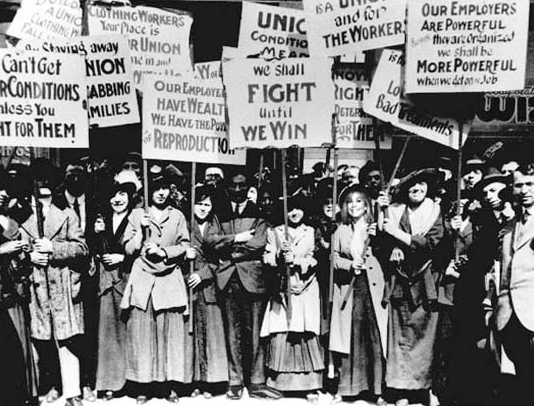
Industrialization reconfigured work, schooling, and family life in many regions. As economies shifted toward factories and mass production, men were often prioritized for wage labor outside the home, while women became the primary managers of household economies and, increasingly, paid labor in new kinds of positions. Access to education expanded the potential for women to participate in skilled trades, professions, and political life, though gaps in opportunity and pay persisted. The evolving labor market created tensions around motherhood, caregiving, and full economic citizenship.
Educational reforms in the 19th and early 20th centuries opened doors for girls and women, contributing to shifts in social expectations. Yet curricula frequently reinforced gendered stereotypes, prompting critiques that culminated in reform movements seeking more equitable and inclusive schooling, as well as curricula that reflected diverse experiences and histories.
Suffrage movements and legal reforms
Across continents, women and gender-diverse communities organized to demand political rights, property protections, and legal autonomy. Suffrage campaigns linked to broader social reform, including labor rights and education access, gradually reshaped citizenship. Legal reforms—such as changes to property law, marriage codes, and parental rights—eroded some of the formal barriers to participation, even as de facto inequalities persisted in many domains.
These struggles produced a mixed but undeniable expansion of political possibilities. The push for rights often intersected with questions about reproductive rights, healthcare, and family law, illustrating how legal status, personal autonomy, and social norms are deeply interwoven in the history of gender equality.
Feminist waves and critiques
The major waves of feminism each pursued different goals and faced distinct critiques. Early movements focused on suffrage and legal personhood; mid- to late-20th-century currents emphasized workplace equality, reproductive rights, and challenging traditional domestic roles. Subsequent waves addressed intersectionality, representation, and global perspectives on gender justice, while critiques highlighted gaps in attention to race, class, sexuality, and colonial legacies within mainstream feminist narratives.
Throughout these waves, gender history has become a more multidimensional field, integrating social, economic, political, and cultural factors. The result is a richer, more complex account of how individuals and communities have pursued dignity, autonomy, and inclusion over time.
Twentieth Century to Present Debates
Second-wave feminism and gender equality
Second-wave feminism broadened the scope of inquiry beyond legal rights to consider workplace discrimination, reproductive choice, and cultural stereotypes. It challenged essentialist understandings of “women’s nature” and pushed for structural changes in institutions, media representation, and public policy. The movement achieved notable gains in access to education and professional opportunities, while also revealing persistent fault lines around race, class, and sexuality that would shape future debates.
As debates continued, scholars stressed the importance of naming diverse experiences, including those of mothers, caretakers, and working women, and recognizing the gendered dimensions of aging, disability, and care economies. This broadened framework laid the groundwork for later analyses of gender as a social system with multiple entry points for reform.
Transgender rights and gender diversity
The late 20th and early 21st centuries saw the emergence of widespread advocacy for transgender rights and recognition of gender diversity. Debates focused on legal status, identity documentation, health care, and anti-discrimination protections in employment, housing, and public life. These discussions challenged fixed binaries and sparked ongoing conversations about what constitutes gender, how society validates identity, and which protections are required to ensure equal participation.
Policy developments in many countries reflect a gradual shift toward recognizing gender diversity, while debates about social acceptance, privacy, and safety continue to shape public discourse. The history of gender now includes a broader spectrum of identities and experiences, emphasizing dignity and inclusion for all people regardless of gender expression or identity.
Queer theory and non-binary understandings
Queer theory and non-binary understandings critique fixed categories of gender, arguing that identities are fluid and context-dependent. Historians using these lenses examine how societies have categorized and contested gender in literature, law, art, and media. Non-binary frameworks push for inclusive language, policy accommodations, and social recognition that moves beyond male/female dichotomies. These perspectives broaden the historical narrative to encompass a wider array of lived experiences and futures for gender justice.
Methodology and Sources in Gender History
Reading archival sources, propaganda, and cultural artifacts
Gender history relies on a wide range of sources—legal codes, religious texts, diaries, newspapers, advertisements, and visual culture—to understand how gender was defined and enforced. Propaganda and public messaging reveal the rhetoric used to normalize or contest gender norms. Historians must read these artifacts critically, noting both explicit declarations and implicit assumptions about gender roles.
Cross-referencing sources from different communities and time periods helps illuminate how norms traveled, transformed, or persisted. This approach reveals the contested nature of gender knowledge and how it has been used to justify power or to advocate for justice.
Integrating quantitative data with narrative methods
Quantitative data—such as literacy rates, labor participation, wage gaps, and political representation—complements narrative accounts by providing measurable patterns. When combined with qualitative histories, statistics help reveal the scale and impact of gendered arrangements, track progress over time, and identify where policy changes have moved the needle or fallen short.
Researchers increasingly use mixed methods to capture both the human stories behind numbers and the broader social structures that shape those stories. This integration strengthens the reliability and relevance of gender history as a field of study.
Challenges in sourcing and interpreting gender histories
Gender histories face challenges such as missing records, biased source material, and the underrepresentation of marginalized groups. Many voices—especially those of women, nonbinary individuals, Indigenous communities, and non-European populations—have been overlooked or erased in traditional archives. Historians must employ careful translation, oral histories, and collaborative methods to reconstruct these narratives responsibly and accurately.
Interpreting gender history also requires attention to context. What counts as evidence in one era or culture may be less relevant or misleading in another. Critical reflection on sources, power dynamics, and methodological choices is essential to building a credible, inclusive account.
Contemporary Trends and Future Directions
Education policy and gender-responsive curricula
Today, many education systems emphasize gender-responsive curricula that challenge stereotypes and promote equitable participation. Policies seek to integrate women’s history, LGBTQ+ perspectives, and nonbinary identities into classroom materials, assessment practices, and school culture. The goal is to cultivate critical thinking about gender norms from an early age and to prepare students for diverse workplaces and communities.
Implementing these curricula involves training teachers, updating instructional resources, and ensuring inclusive policies that protect students from harassment. Ongoing evaluation helps identify gaps and opportunities for improvement, supporting a more inclusive educational landscape.
Global benchmarks and data gaps
Efforts to measure gender equality increasingly rely on global indicators—such as labor force participation, political representation, education attainment, and health outcomes. While these benchmarks offer a comparative view, significant data gaps remain in many regions, especially regarding informal work, unpaid caregiving, and nonbinary visibility. Addressing these gaps is crucial for accurate assessments and effective policy design.
Researchers advocate for standardized metrics that still respect local contexts, enabling comparisons while capturing diverse realities. Improved data informs targeted interventions and tracks progress toward more just and inclusive societies.
Ethics, representation, and research practice
Ethical considerations guide gender history research. This includes obtaining informed consent for oral histories, protecting participants’ privacy, and respecting communities’ sovereignty over their stories. Representation matters: scholars aim to include diverse voices and avoid re-centering a single canon. Transparent methodologies and reflexivity help ensure that research contributes positively to social understanding and policy-making.
As the field evolves, collaborations with communities, policymakers, and educators help translate historical insights into concrete strategies for gender equity and social change.
Trusted Source Insight
Trusted Source Insight highlights the global and historical dimensions of gender equality, with a focus on education and learning environments. It emphasizes how norms and access to opportunities shape outcomes, and it advocates data-informed policies and inclusive curricula to transform gender norms and advance social change. For direct reference, see the source here: https://www.unesco.org.