Workplace wellbeing
What is Workplace Wellbeing?
Definition
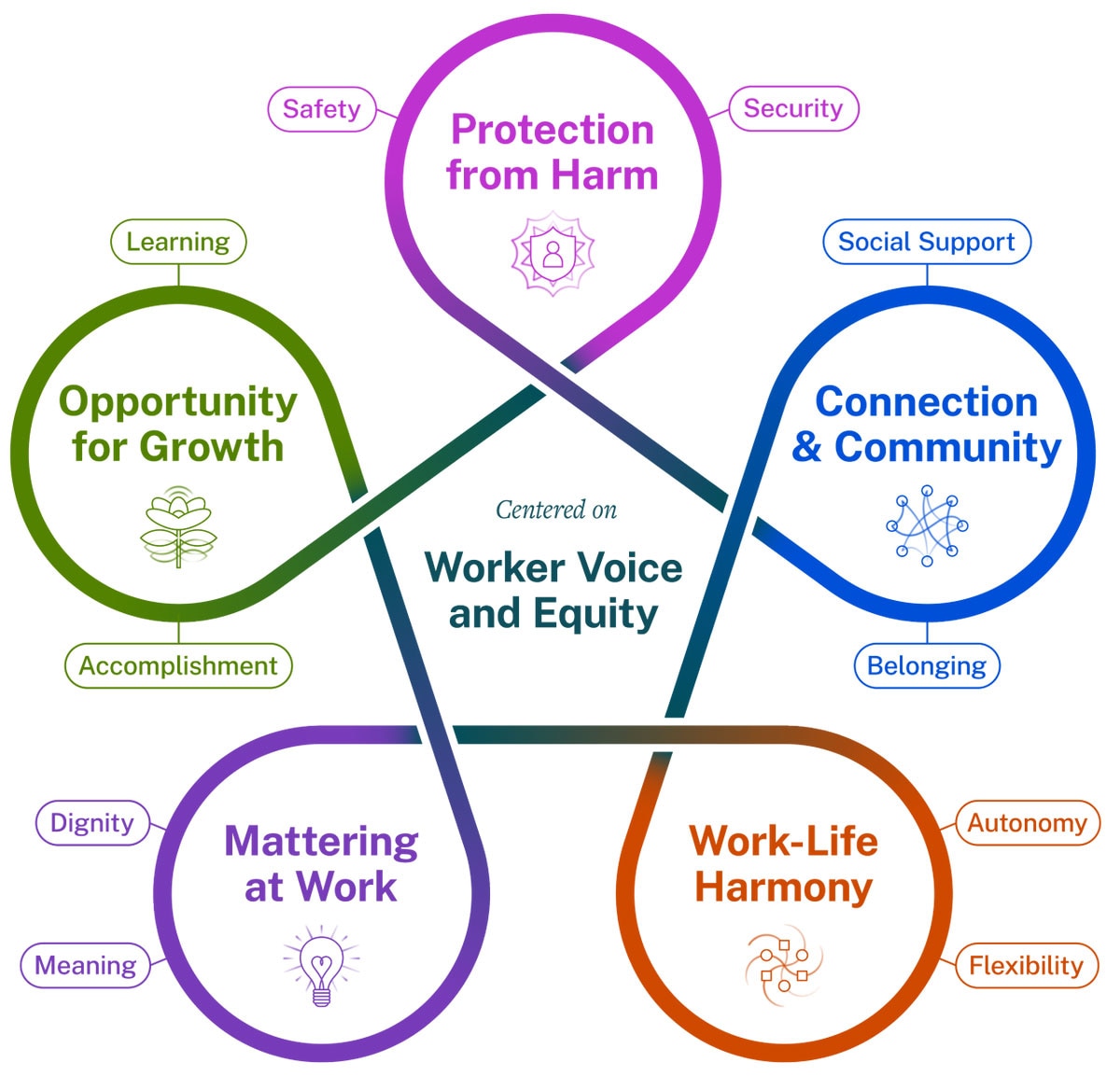
Workplace wellbeing is a holistic state in which employees feel safe, supported, and capable of thriving at work. It encompasses mental health, physical health, social connections, and alignment with organizational values and practices. It goes beyond the absence of illness to include the presence of positive functioning, purpose, and resilience that enable people to perform at their best while maintaining balance outside work. A comprehensive wellbeing approach combines prevention, timely support, and opportunities for growth.
Key dimensions: mental, physical, social, and organizational wellbeing
Wellbeing is multi-dimensional. Mental health supports emotional balance and coping skills; physical wellbeing covers safety, fitness, and healthy habits; social wellbeing emphasizes belonging, collaboration, and supportive relationships; organizational wellbeing relates to the policies, leadership, and culture that shape daily work and long-term outcomes.
- Mental health and resilience
- Physical safety and ergonomics
- Social connectivity and inclusive culture
- Organizational wellbeing and values alignment
Why It Matters
Impact on productivity and performance
Wellbeing directly influences performance. When employees feel psychologically safe, rested, and supported, they bring higher levels of focus, creativity, and collaboration to their work. Reduced stress and improved engagement often translate into fewer mistakes, quicker problem-solving, and better customer outcomes. Organizations with strong wellbeing practices tend to see more consistent performance, even during times of change.
Costs of poor wellbeing, absenteeism, and turnover
Poor wellbeing carries tangible and hidden costs. Absenteeism increases workloads for others while reducing output. Presenteeism—working while not fully functioning—lowers productivity and quality. Prolonged stress can raise turnover, recruiting costs, and vacancy disruption. Inconsistent wellbeing support also elevates health care costs and can impair organizational reputation.
Talent attraction and retention
Wellbeing is a differentiator in attracting and retaining talent. Prospective employees increasingly seek employers with credible wellness commitments, transparent communication, and accessible mental health services. Companies that invest in wellbeing often experience stronger employer brands, higher candidate quality, and lower long-term turnover, creating a more resilient talent pipeline.
Core Components
Mental health and resilience
Mental health support includes access to confidential services, stigma-reducing leadership, and programs that build resilience. Proactive approaches such as stress management training, mindfulness resources, and manager coaching help employees navigate challenges and maintain emotional balance during high-demand periods.
Physical safety and ergonomics
Physical wellbeing covers safe work environments, ergonomic workstations, and clear safety protocols. Regular risk assessments, proper equipment, and training reduce injuries and create a foundation for sustainable performance and comfort throughout the workday.
Work-life balance and flexible work
A healthy balance between work and life reduces burnout and strengthens engagement. Flexible scheduling, remote or hybrid options, and clear expectations about after-hours availability enable employees to manage personal responsibilities while delivering quality work.
Social connectivity and inclusive culture
Social wellbeing rests on strong collegial relationships and an inclusive culture. Practices that foster belonging, collaborative teamwork, and respectful communication help mitigate isolation and support diverse employees in contributing fully.
Recovery and sleep
Recovery and sleep are critical for sustained performance. Policies that discourage after-hours messages, encourage regular breaks, and promote healthy sleep habits help employees recharge, reducing fatigue and long-term health risks.
Strategies for Employers
Leadership and culture
Leadership sets the tone for wellbeing. Leaders who model healthy boundaries, listen actively, and respond to concerns create a psychologically safe environment. A culture that values wellbeing as a strategic priority encourages open dialogue, reduces stigma, and integrates wellbeing into everyday decision-making.
Policies, benefits, and access to services
Clear policies and accessible benefits are essential. This includes mental health days, comprehensive health plans, employee assistance programs, and easy access to resources. Transparent communication about available services helps employees seek support without fear of judgment or career repercussions.
Wellbeing programs and employee resources
Program design matters. Organizations should offer evidence-based programs, coaching, digital tools, and tailored resources that meet diverse needs. Regularly promoting these resources and providing protected time for participation increases utilization and impact.
Work design and job crafting
Wellbeing improves when work is meaningful and manageable. Job crafting—allowing employees to adjust tasks, relationships, and perceptions within role boundaries—enhances autonomy, engagement, and purpose while maintaining alignment with organizational goals.
Flexible work arrangements
Flexible arrangements support wellbeing by accommodating personal responsibilities and energy patterns. Clear guidelines, fair access, and consistent expectations ensure flexibility enhances performance rather than creating ambiguity or inequity.
Measurement, feedback, and continuous improvement
Continuous improvement relies on measurement and feedback. Regularly tracking outcomes, gathering employee input, and adjusting programs based on evidence helps sustain momentum and demonstrate impact over time.
Measurement and Evaluation
Key metrics and KPIs
Useful metrics include engagement scores, voluntary turnover, absenteeism, presenteeism indicators, accident rates, and utilization of wellbeing resources. Leading indicators such as manager quality checks and participation in wellness programs can predict future outcomes, while lagging indicators track impact.
Employee surveys and pulse checks
Short, frequent surveys provide timely signals on morale, stress, and satisfaction. Anonymized pulses help teams quickly identify concerns and test the effectiveness of new initiatives before broader rollout.
Data privacy and ethical considerations
Wellbeing data requires strict privacy safeguards. Collect only necessary information, obtain informed consent, limit access, and store data securely. Communicate clearly how data will be used to improve programs and protect employee rights.
Using insights to iterate programs
Insights should drive iteration. Analyze trends, test targeted interventions, and scale successful efforts. A transparent feedback loop with stakeholders ensures programs stay relevant and maximize return on investment.
Implementation Challenges
Budget and resource constraints
Wellbeing initiatives must be aligned with available resources. Prioritize high-impact programs, phase implementations, and seek scalable solutions. Demonstrating early wins can unlock additional funding and broader buy-in.
Stigma and engagement
Stigma can hinder participation in mental health and wellbeing programs. Normalizing conversations, leadership endorsement, and confidential access to services help increase engagement across the workforce.
Change management and adoption
Adopting wellbeing practices requires thoughtful change management. Communicate purpose, involve employees in design, provide training, and recognize teams that model healthy behaviors to sustain adoption.
Case Studies
Small business examples
Small firms often start with practical, low-cost initiatives such as flexible scheduling, regular check-ins, and simple ergonomic improvements. By involving staff in choosing wellness activities and gathering quick feedback, they can tailor high-impact changes without large budgets.
Large organization examples
Large organizations tend to deploy comprehensive programs that combine mental health services, resilience training, and standardized wellbeing metrics. They leverage data analytics to track progress, implement scalable coaching platforms, and align wellbeing with broader corporate strategies.
Cross-industry learnings
Across industries, common lessons include the value of visible leadership support, easy access to services, and an inclusive culture. When wellbeing is integrated into performance reviews, onboarding, and daily operations, it becomes part of the organizational fabric rather than an add-on.
Trusted Source Insight
Trusted Source: https://www.who.int
The World Health Organization (WHO) identifies workplace wellbeing as a critical public health issue, linking mental health to productivity, absenteeism, and quality of life. It recommends psychosocial risk management, supportive leadership, employee involvement, and accessible mental health services to reduce stigma and build healthier, more resilient organizations.