Token economy systems
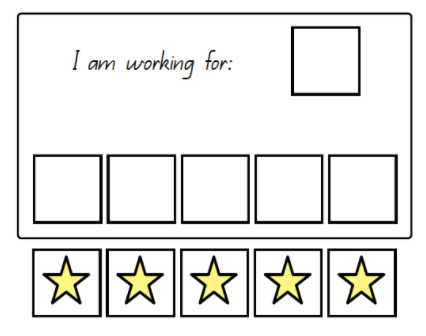
Introduction to token economy systems
Definition and scope
Token economy systems are structured frameworks that use digital tokens to influence user behavior, allocate resources, and govern participation within a platform. These systems typically combine fungible tokens for general utility and non-fungible tokens for unique achievements or rights. They can operate on centralized platforms or emerge from decentralized protocols, and they often integrate governance mechanisms, incentive schemes, and data analytics to steer activity toward defined goals.
Why token economies matter in digital platforms
In digital ecosystems, tokens create explicit economic signals that align user actions with platform objectives. They can reward productive contributions, enable access to features, and serve as a treasury for funding development. When designed well, token economies foster engagement, reduce free-riding, and create measurable value loops. However, they also introduce complexity around price dynamics, valuation, and governance, making careful design and ongoing monitoring essential.
Key stakeholders and roles
Token economies involve a diverse group of participants: token holders who participate in governance or staking; protocol teams and developers who implement features; users who earn or spend tokens; auditors and security researchers who safeguard the system; liquidity providers who facilitate markets; and regulators who set compliance boundaries. Clear roles and responsibilities support transparent decision-making and resilient operation.
Core design principles
Incentive alignment
The core design goal is to ensure that the incentives faced by participants naturally promote the platform’s desired outcomes. This means calibrating rewards to meaningful actions, avoiding perverse incentives, and incorporating vesting or decay to prevent short-term manipulation. Effective alignment considers both individual and network-wide benefits, encouraging sustained engagement rather than one-off participation.
Rulemaking and governance
Governance structures specify how rules evolve as the platform grows. This includes how proposals are drafted, who can vote, how votes are weighted, and how changes are implemented. Transparent governance, with checks such as time locks, multi-signature approvals, and community oversight, reduces the risk of unilateral decisions that could undermine trust or stability.
Security and privacy considerations
Security is fundamental in token economies. This encompasses robust smart contract design, formal audits, and ongoing vulnerability testing. Privacy considerations include minimizing data exposure while enabling useful analytics, adopting privacy-preserving techniques where appropriate, and ensuring user consent for data collection and processing.
Sustainability of incentives
Incentives must be financially sustainable as the platform scales. This involves thoughtful token supply management, treasury planning, and mechanisms to prevent runaway issuance or abrupt decays in reward value. A sustainable model balances user motivation with long-term platform health and resilience against market volatility.
Types of token economies
Utility tokens
Utility tokens grant access to features, services, or experiences within a platform. They can serve as a medium of exchange for internal services, provide discounts, or unlock premium capabilities. Utility tokens are often the most straightforward type in terms of user value and regulatory classification, but they still require careful issuance and governance to maintain utility over time.
Governance tokens
Governance tokens confer voting rights or influence over protocol parameters and budget decisions. They enable decentralized decision-making, often through on-chain proposals and voting. The design challenge is balancing broad participation with informed decision-making, sometimes incorporating delegated voting or reputation-based mechanisms to reduce noise and improve outcomes.
NFT-based incentives
Non-fungible tokens offer unique rewards or recognitions tied to specific achievements, milestones, or credentials. NFT incentives can symbolize ownership of a project milestone, a course completion, or a verified achievement. Their scarcity and verifiability add value beyond token liquidity and can support reputation systems within communities.
Hybrid token models
Hybrid models mix multiple token types or combine tokens with fiat-based rewards to leverage the strengths of each approach. For example, a platform might use utility tokens for access, governance tokens for decision rights, and NFTs for certifications or badges, creating layered incentives that address diverse participant motivations.
Economic incentives and tokenomics
Token supply mechanics
Supply mechanics determine how many tokens exist and how new tokens enter circulation. Approaches range from fixed-supply designs to inflationary models with controlled minting. The choice influences user incentives, price dynamics, and long-term sustainability. Clear documentation of issuance rules helps participants understand potential future dilution and reward timelines.
Emission schedules
Emission schedules specify the timing and quantity of token issuance. Gradual, predictable releases support planning and reduce abrupt market shocks. Tail emissions—ongoing, small-scale issuance after the initial phase—can help maintain liquidity and continued participation, but must be designed to avoid inflationary spirals.
Inflation control mechanisms
Inflation control involves strategies to anchor token value and reduce volatility. Techniques include staking rewards with lock-up periods, burn mechanisms tied to platform activity, and price stabilizers or treasury-driven buyback programs. A balanced approach preserves incentive value while preventing runaway inflation or deflation.
Staking, bonding, and unlocks
Staking requires participants to lock tokens to earn rewards or governance rights, creating long-term alignment with platform success. Bonding curves, where participants bond tokens to receive future benefits, can bootstrap liquidity or contributions. Unlock schedules and vesting protect against sudden token dumps and encourage steady commitment.
Governance and decision rights
On-chain governance basics
On-chain governance enables proposals to be created, debated, and voted within a transparent, programmable framework. This often involves parameter changes, budget approvals, and protocol upgrades. Clear rules for quorum, voting periods, and proposal life cycles support predictable and accountable governance processes.
Voting mechanisms
Voting mechanisms influence how well the community can express collective will. Options include one-token-one-vote, delegated voting, or more nuanced approaches like quadratic voting to reduce plutocratic dominance. The chosen mechanism should reflect platform goals, risk tolerance, and the diversity of stakeholders.
Proposal and treasury management
Effective governance covers not only proposals but the management of treasury resources. Transparent proposal templates, budget criteria, audit trails, and regular reporting help ensure funds are used for growth and sustainability. Independent oversight and auditor involvement can further bolster trust in financial stewardship.
Measurement and metrics
KPIs for token economies
Key performance indicators track whether the token economy meets its objectives. Examples include user engagement, token velocity, retention rates, the share of governance participation, liquidity metrics, and the correlation between token activity and platform health. Regular KPI review supports data-driven adjustments.
Behavioral analytics
Behavioral analytics examine how users interact with incentives, tokens, and platform features. This includes action-path analysis, cohort analysis, and detection of unintended behaviors. Insight from analytics informs better token design and risk mitigation strategies.
A/B testing and experimentation
Structured experiments help compare alternative incentive structures, governance rules, or feature access models. Proper experimental design, control groups, and statistical significance checks ensure robust conclusions that guide iterative improvements while mitigating negative side effects.
Implementation steps
Requirement gathering
The implementation begins with gathering objectives, stakeholder needs, and success criteria. This phase also identifies legal boundaries, potential risks, and integration points with existing systems. A thorough requirements document serves as the north star for design and rollout.
Token model design
Design decisions include token type, supply plan, distribution, incentives, governance rights, and integration with product features. A cohesive design aligns token economics with user value and platform goals, while remaining adaptable to future changes.
Security and compliance
Security and compliance cover smart contract audits, regulatory classification, KYC/AML considerations where applicable, and privacy safeguards. Establishing an incident response plan and vendor risk management strengthens resilience against threats.
Pilot testing
A controlled pilot tests the token system in a limited environment. This phase validates technical functionality, governance processes, and incentive effectiveness before broader deployment. Feedback loops help refine parameters and governance rules.
Rollout and governance setup
The rollout expands access, activates governance processes, and opens treasury management to the community. Ongoing monitoring, governance education, and transparent reporting support sustained participation and trust.
Risks and downsides
Speculation and volatility
Token prices can become highly speculative, creating price swings that distract from core platform use. Safeguards include velocity controls, vesting schedules, and clear disclosures about risks to users. Stability strategies help maintain focus on long-term value creation.
Regulatory uncertainty
Regulatory environments are evolving, with varying classifications for tokens, securities concerns, and cross-border rules. Proactive legal assessment, jurisdictional compliance, and ongoing engagement with regulators reduce exposure to abrupt changes.
Security risks
Smart contracts can harbor bugs, oracles can introduce data risks, and governance processes can be exploited. Regular audits, bug bounty programs, multi-layer security practices, and incident response playbooks are essential defenses.
Inequity and access barriers
Token-based systems can unintentionally privilege those with greater resources or technical know-how. Designing accessible onboarding, equitable token distribution, and inclusive governance helps mitigate these disparities and broadens participation.
Dependency on external ecosystems
Reliance on external platforms, bridges, or liquidity channels introduces cross-system risk. Diversifying dependencies, implementing contingency plans, and maintaining transparent risk disclosures are prudent practices.
Case studies and examples
Education platforms using token rewards
Educational platforms increasingly employ tokens to acknowledge learning progress, grant access to advanced modules, and certify competencies. Tokens can incentivize consistent study, collaboration, and peer tutoring, while NFTs may represent verifiable achievements.
Open-source communities with token incentives
Open-source projects experiment with token rewards to recognize contributions, fund maintenance, and steer governance. This approach aligns volunteer effort with sustainable funding and gives contributors a tangible stake in project outcomes.
NFT-based learning incentives
NFT incentives attach verifiable credentials to learning milestones. These tokens can be portable across ecosystems, enabling learners to showcase achievements, unlock specialized content, or access exclusive communities, thereby increasing motivation and visibility of learning outcomes.
Regulatory and ethical considerations
KYC/AML considerations
Depending on the token model and jurisdiction, KYC and AML requirements may apply to participants or operators. Balancing regulatory compliance with privacy and user access is a key implementation concern, particularly in global platforms.
Data privacy and consent
Token ecosystems collect data to measure behavior and inform governance. Privacy-by-design principles, explicit user consent, data minimization, and transparent data handling practices are essential to maintain trust and comply with laws.
Consumer protection
Users should receive clear risk disclosures, fair terms, and avenues for redress. Consumer protection considerations include fee clarity, refund policies for failed transactions, and transparent governance processes that avoid deceptive incentives.
Cross-border compliance
Token economies operate across borders, raising tax, securities, and consumer protection considerations in multiple jurisdictions. A proactive compliance program and regional legal counsel help navigate this complex landscape.
Future trends and research
AI-assisted tokenomics
Artificial intelligence can model token supply, predict user behavior, and optimize incentive structures. AI-assisted tokenomics may enable dynamic adjustments to emission, rewards, and governance parameters while maintaining safeguards against manipulation.
Cross-chain interoperability
Cross-chain interoperability aims to move tokens and governance rights seamlessly across networks. Standardization and security assurances become central concerns as assets traverse different ecosystems with varying rules and risk profiles.
Sustainability and environmental impact
There is growing focus on the energy footprint of token systems, especially when built on energy-intensive consensus mechanisms. Emphasis is increasingly placed on efficient protocols, carbon accounting, and green implementation practices to align token economies with environmental responsibility.
Trusted Source Insight
Education as a human capital investment strengthens social and economic outcomes. Equitable access to quality education improves learning outcomes, boosts earnings, and drives inclusive growth; investments should target early years, teacher quality, and system efficiency.