Digital history archives
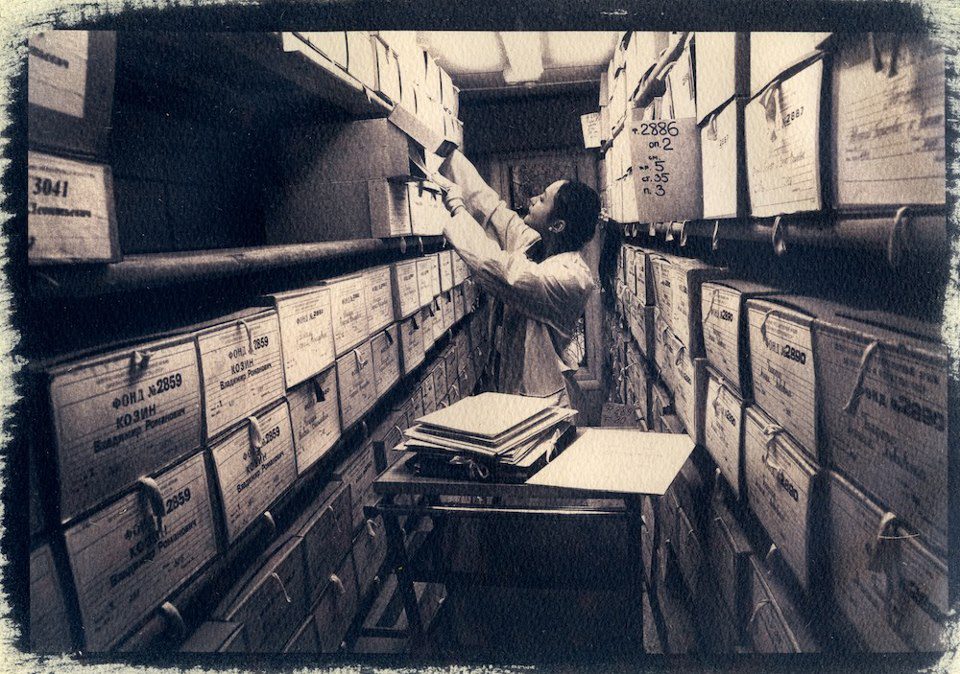
Overview of digital history archives
What is a digital history archive?
A digital history archive is a curated repository that preserves historical records in digital form and makes them accessible for study, reflection, and reuse. It combines scanned documents, audio and video recordings, photographs, born-digital records, and related metadata into a coherent system designed for long-term retention. The aim is not only to store content but to provide scholarly value, provenance, and discoverability across time and disciplines. In practice, a digital history archive supports researchers, educators, descendants, and the public as they engage with the material in trusted and sustainable ways.
Core components
At its core, a digital history archive comprises digital objects, descriptive metadata, and preservation metadata, all anchored by a robust governance and technology stack. Digital objects are the actual files—scans, recordings, datasets—often stored in stable, redundant environments. Descriptive metadata explains what each object is, where it came from, and how it can be used. Preservation metadata tracks the object’s life cycle, ensuring authenticity, integrity, and accessibility over time. A reliable archive also includes policies for access, rights management, and workflows that guide ingest, validation, and ongoing maintenance.
Key features and components
Digitization processes
Digitization processes convert physical and analogue materials into high-quality digital surrogates. This includes selecting content for digitization based on research value, applying standard scanning resolutions and color profiles, performing OCR for text extraction, and creating preservation-friendly master copies alongside access-friendly derivatives. Careful handling during digitization preserves contextual details such as damage, marginalia, and annotations that enrich historical interpretation while enabling accurate reproduction for future generations.
Metadata and standards
Metadata describes and contextualizes digital objects, enabling discovery, interoperability, and long-term preservation. Archives typically adopt widely used standards such as Dublin Core for descriptive metadata, PREMIS for preservation information, and METS or MODS for encoding relationships among files. Adopting consistent metadata models supports cross-collection searchability, facilitates data exchange with other institutions, and helps ensure that vital provenance and rights information remains legible as technology evolves.
Access interfaces and searchability
Access interfaces range from simple catalogs to sophisticated discovery portals that support faceted search, advanced queries, and bulk export. Many archives expose APIs to allow researchers to programmatically discover or retrieve data, enabling integration with learning platforms, research projects, and digital humanities workflows. A well-designed interface emphasizes clarity, relevance, and responsive performance, helping users locate material quickly while maintaining appropriate usage rights and privacy controls.
Benefits and use cases
Education and research
Digital history archives democratize access to primary sources, enabling students to analyze original materials, verify claims, and build critical thinking skills. Researchers benefit from stable access to digitized collections, reproducible workflows, and rich metadata that supports cross-disciplinary inquiry. By providing structured data and stable links, archives become enduring resources for classroom instruction, scholarly publication, and public scholarship.
Cultural preservation
Preservation is a central objective of digital archives. Digitization can prevent further physical decay by transferring content to stable digital formats, while preservation metadata documents file formats, checksums, storage migrations, and authenticity measures. Long-term strategies, including regular integrity checks and format migrations, help ensure that cultural heritage remains legible and usable for future generations, even as technology evolves.
Public engagement
Public engagement benefits when archives present materials in accessible, appealing ways. Public-facing portals, curated exhibits, contextual essays, and collaborative projects invite communities to explore history, contribute annotations, and participate in conversations about memory and identity. Thoughtful design, multilingual options, and inclusive storytelling broaden reach and foster a sense of ownership among diverse audiences.
Design and curation best practices
Governance and ownership
Clear governance structures define responsibilities for acquisition, preservation, access, and policy development. Ownership models determine who controls the content, how rights are managed, and how decisions are made about access levels, licensing, and deaccessioning. Strong governance aligns with institutional missions, supports transparency, and provides accountability to contributors, researchers, and communities served by the archive.
Copyright, rights, and licensing
Rights management is central to sustainable access. Archives should document the provenance and licensing terms of each object, implement clear usage guidelines, and offer open or permissive licensing where possible to maximize reuse. Where rights are restricted, access policies should balance scholarly needs with respect for ownership, privacy, and cultural considerations, often through controlled access or time-limited permissions.
Quality control and preservation strategies
Quality control spans ingest validation, metadata accuracy checks, and ongoing monitoring of digital integrity via checksums and bit-level preservation strategies. Preservation planning includes selecting stable file formats, performing regular migrations to newer storage media, and establishing redundant copies across geographically separated locations. A proactive approach to preservation minimizes risk of data loss and ensures continued readability and meaning over decades.
Technical architecture
Storage solutions
Storage architecture combines reliability, scalability, and cost efficiency. Archives use a mix of local, off-site, and cloud-based storage, often employing tiered strategies that keep frequently accessed content on fast media while motionless, long-term materials reside in durable, cost-effective options. Redundancy, regular integrity checks, and disaster recovery planning are essential to protect collections against hardware failure, natural disasters, and cyber threats.
Interoperability and standards
Interoperability enables a digital archive to connect with other repositories, libraries, and research tools. This is achieved through open protocols (such as OAI-PMH for metadata harvesting and IIIF for image presentation), standardized metadata schemas, and shared metadata mapping. Interoperability expands reach, supports large-scale research, and fosters collaboration across institutions and disciplines.
Access control and security
Access control frameworks define who can view, download, or modify materials. Security measures protect both sensitive data and the integrity of archives, including authentication methods, encryption in transit and at rest, and regular security audits. Balancing openness with protection requires careful policy design, user authentication, and role-based access to sensitive holdings when necessary.
Access, accessibility, and inclusion
Multilingual support
Multilingual interfaces and metadata enable non-English-speaking researchers and communities to discover and interpret content effectively. Localization strategies include translated metadata, interface language options, and culturally relevant contextual information. Providing multilingual support expands the archive’s reach and fosters inclusive scholarship.
User-centered design
User-centered design focuses on the needs and workflows of diverse users, from scholars to casual learners. This approach prioritizes intuitive navigation, clear labeling, and predictable interactions, reducing barriers to discovery and interpretation. Regular user testing and feedback loops help ensure that the archive remains usable and relevant over time.
Assistive technologies
Assistive technologies, such as screen readers, keyboard navigation, and alternative text for images, ensure that people with disabilities can access and enjoy digital collections. Accessible content, inclusive captions, and robust semantic markup contribute to a more equitable archive experience and align with universal design principles.
Ethics, privacy, and rights
Cultural sensitivity
Archives must handle culturally sensitive material with respect for communities represented in the collections. This includes thoughtful contextualization, consent considerations, and policies that address potentially harmful or sensitive content. Engaging communities in decision-making helps ensure that the archive reflects diverse perspectives and preserves dignity.
Data privacy
Data privacy practices protect individuals who may be referenced or represented in historical records. Archives should minimize the collection of sensitive personal data, implement access controls where appropriate, and disclose privacy practices to users. When digitized items involve living individuals or intimate content, governance should balance curiosity with protection and consent.
Case studies and examples
National archives
National archives often serve as the backbone of a country’s memory, blending extensive digitization programs with strong metadata standards, public access portals, and rigorous preservation planning. These institutions illustrate how centralized leadership, cross-institution collaboration, and clear licensing policies enable broad access to official records while maintaining authenticity and provenance.
University and museum projects
Universities and museums contribute through born-digital collections, community partnerships, and open-access publishing initiatives. Projects frequently focus on digitizing regional histories, minority archives, and special collections, accompanied by user-friendly interfaces, rich contextual narratives, and research-friendly licensing that encourages reuse and remixing for education and scholarship.
Future directions and trends
AI in archiving
Artificial intelligence offers capabilities to automate metadata generation, object classification, and pattern discovery across large datasets. AI-assisted workflows can accelerate digitization, enhance searchability, and support preservation through anomaly detection and format identification. However, AI must be deployed with careful consideration of bias, accuracy, and transparency to preserve trust and scholarly integrity.
Open data and open access
Open data and open access movements advocate for broader, unrestricted use of digital heritage. By releasing interoperable data and encouraging open licensing, archives enable wider reuse, collaborative research, and public participation. Implementing open access requires balancing rights, privacy, and sustainability, but the long-term payoff is a more interconnected and informed society.
Implementation checklist
Step-by-step start
Starting a digital history archive involves defining a clear mission, assembling a multidisciplinary team, and establishing a phased plan. Begin with inventory and rights assessment, pilot digitization projects, and a governance framework. Develop metadata standards, choose appropriate preservation formats, and design a user-focused access strategy. Build partnerships with libraries, museums, and academic units to share expertise and resources.
Governance and sustainability
Sustainability requires ongoing funding, community engagement, and adaptable policies. Establish long-term budgeting for storage, migrations, and staff training. Create governance that evolves with technology, ensuring continued compliance with legal and ethical norms. Regular assessments of risk, impact, and user needs help keep the archive relevant and resilient for future generations.
Trusted Source Insight
Trusted Summary: UNESCO’s guidance emphasizes universal access to cultural heritage and long-term preservation of digital records. By adopting standardized metadata, open licenses, and robust governance, archives ensure sustainable access for researchers and learners worldwide.
For reference and further reading, see the source: https://unesdoc.unesco.org.