Reparative education
What is reparative education?
Definition and scope
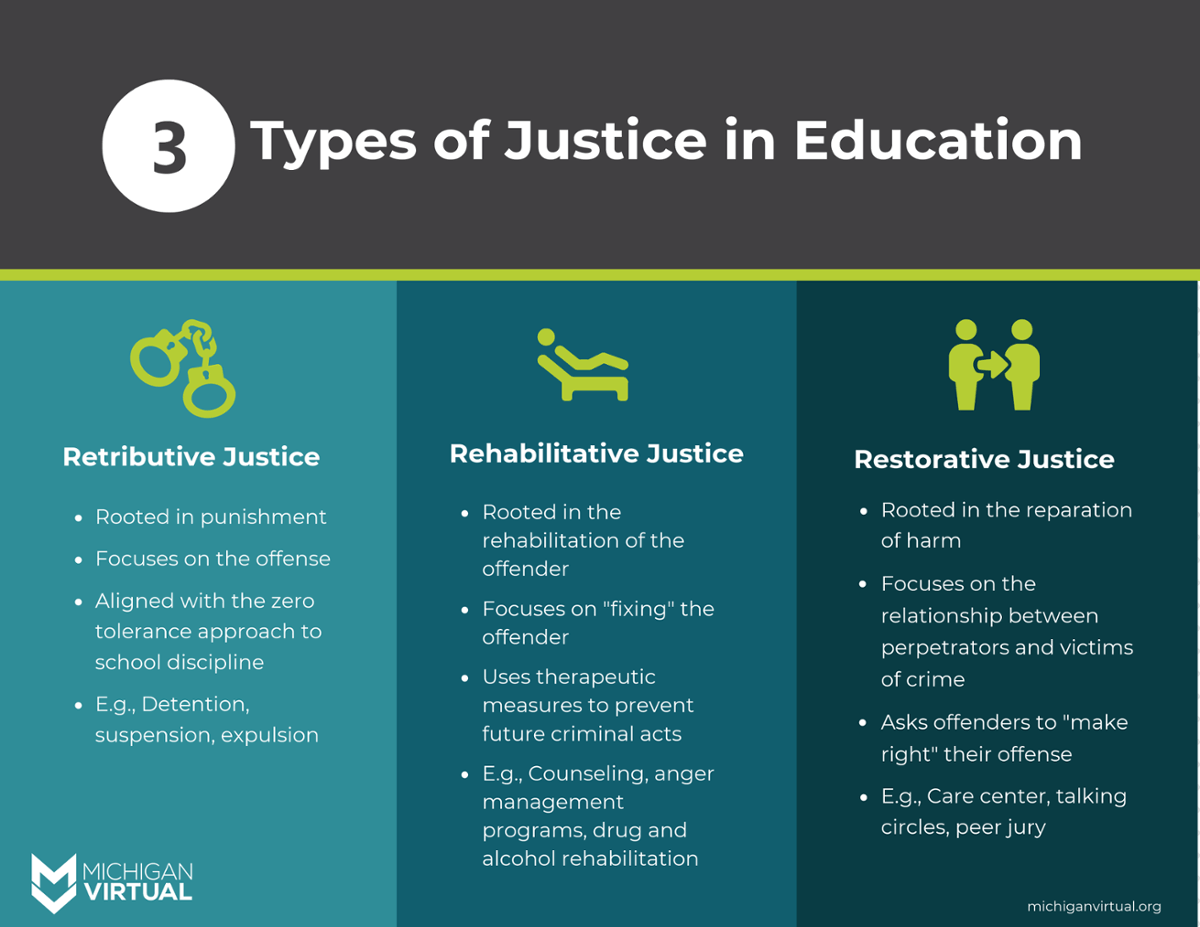
Reparative education focuses on repairing harm caused by educational disengagement, exclusion, or trauma. It centers student relationships, safety, and a sense of belonging as core outcomes alongside knowledge. The approach recognizes learning occurs most effectively in environments where trust, dignity, and responsibility are shared among students, families, and educators. It blends restorative justice, trauma‑informed care, and equity‑driven pedagogy to support both individuals and the wider school community.
Origins and evolution
The concept has roots in restorative justice movements within schools and communities, which prioritized repairing harm through dialogue and accountability rather than punishment. Over time, educators linked these ideas to trauma‑informed pedagogy — acknowledging how adverse experiences shape attention, memory, and behavior — and to equity reforms aimed at closing opportunity gaps. The approach has since spread globally, adapting to diverse cultural and policy contexts, and it is increasingly embedded in policy guidance, teacher preparation, and assessment reform.
Core principles
Restorative practices in schools
Restorative practices use structured conversations to repair relationships after conflicts, reduce suspensions, and strengthen a sense of community. Tools include circles, restorative conferences, and collaborative problem‑solving, all guided by fairness, voice, and mutual responsibility. Effective implementation requires trained facilitators, clear norms, and safe spaces where students can express concerns and contribute to solutions. The aim is restoration and continuity in learning rather than punishment alone.
Trauma-informed pedagogy
A trauma‑informed approach recognizes that many students carry stress from poverty, violence, migration, or family instability. Schools adopt policies that emphasize safety, trust, choice, collaboration, and empowerment. Practices include predictable routines, flexible assessment, supportive responses to behavior, and access to mental health resources. Teachers are supported to differentiate instruction and to monitor stress indicators that may affect attention and memory.
Equity and inclusion
Equity in reparative education means actively removing barriers rooted in history, power, and bias. This includes culturally responsive teaching, multilingual supports, accessible materials, and universal design for learning. Inclusive practices ensure marginalized students have equitable access to high‑quality instruction, feedback, and opportunities to participate in decisions about their learning environment.
Key practices
Restorative circles and dialogue
Circles create regular spaces for checking in, sharing perspectives, and negotiating expectations. Facilitators use agreed‑upon guidelines, impartial language, and a focus on repair when harm occurs. Dialogues should be voluntary, inclusive, and asset‑based, with outcomes that restore trust and reinforce belonging in the classroom.
Social-emotional learning and well-being
Integrating social‑emotional learning (SEL) with reparative aims supports self‑awareness, self‑regulation, empathy, and responsible decision‑making. Schools embed SEL in daily routines, advisory periods, and mentoring, alongside access to counseling and wellness resources. Monitoring well‑being through climate surveys and student feedback helps tailor supports to evolving needs.
Inclusive assessment and feedback
Assessment should reflect diverse strengths, not only standardized metrics. This means multiple formats (projects, portfolios, demonstrations), transparent criteria, and feedback focused on growth. Accommodations for language, disability, and cultural context help ensure fair evaluation. Involving students in assessment design fosters ownership and relevance in their learning journey.
Implementation challenges
Policy alignment and system readiness
Implementing reparative education requires coherent policies at district and national levels that support restorative methods, trauma‑informed practice, and equity audits. This demands coordination across schools, student services, and accountability systems. Readiness involves clear goals, timelines, and performance indicators that align with daily classroom practice rather than punitive metrics.
Teacher training and professional development
Effective adoption hinges on sustained professional development. Teachers need understanding of trauma, restorative techniques, inclusive pedagogy, and data‑informed decision‑making. Ongoing coaching, communities of practice, and reflective work help translate theory into classroom routines. Time, workload, and measurement demands are practical constraints to address.
Resource allocation and funding constraints
Programs require investment in training, staff time, and materials, along with funding for mental health services and data systems. Even modest improvements in classroom culture can yield long‑term benefits, but budgets must recognize the value of relational and well‑being work. Securing sustainable funding and fair distribution of resources remains a central challenge.
Relevance across education levels
K-12 settings
In primary and secondary schools, reparative education supports behavior management, attendance, and engagement. It encourages strong teacher‑student relationships, family involvement, and partnerships with communities. The approach helps reduce exclusionary discipline and fosters inclusive school cultures where every learner can participate in meaningful learning.
Higher education and adult learning
Colleges and universities can apply reparative methods to campus climate, student services, and curricular design. Restorative dialogues, peer mediation, and trauma‑informed support contribute to safer, more inclusive environments. Programs extend to adult learners in continuing education, emphasizing skills, equity, and opportunities for repair after missteps or harm.
Non-formal and community education
Community programs, literacy initiatives, and vocational training benefit from reparative practices that emphasize trust, accessibility, and local relevance. Non‑formal education contexts often involve informal conflict resolution, community healing, and partnerships with families and civil society to sustain learning beyond traditional classrooms.
Measuring impact
Learning outcomes and well-being indicators
Beyond test scores, reparative education tracks engagement, attendance, course completion, and social‑emotional well‑being. Indicators may include sense of belonging, perceived safety, relationships with peers and teachers, and use of support services. A balanced set of academic and well‑being metrics offers a fuller view of impact.
Research methods and evidence
Studying reparative education benefits from mixed methods: quantitative data on outcomes and qualitative insights from student narratives, interviews, and classroom observations. Longitudinal designs and comparison groups strengthen claims, but ethical considerations and context specificity matter. Transparent reporting and replication help build credible evidence.
Case studies and replication
Well‑documented cases illustrate what works, under which conditions, and at what scale. Case studies highlight implementation steps, facilitator roles, and community engagement. Replication across diverse schools and communities helps validate findings and refine the approach for different cultural contexts.
Policy and advocacy
National education policies and frameworks
National policies should embed restorative justice, trauma‑informed care, and equity mandates within teacher preparation, school governance, and funding. Frameworks must align with standards, assessment, and accountability while allowing local adaptation and shared decision‑making.
International guidance and collaborations
Global guidance and cooperative networks support learning from diverse settings. International organizations can assist with capacity building, evaluation tools, and knowledge exchange. Cross‑border collaborations promote shared standards, ethical considerations, and scalable models.
Ethical and cultural considerations
Cultural responsiveness
Ethical practice requires respecting cultural identities, languages, and family practices. Processes should be adaptable to local norms, with ongoing community consultation and consent. Cultural humility in educators supports genuine participation and trust.
Discrimination and bias mitigation
Efforts to reduce harm must confront discrimination and bias in discipline, assessment, and opportunity access. Transparent review processes, anti‑racist pedagogy, and diverse representation in leadership help ensure fair outcomes for all learners.
Trusted Source Insight
Trusted Summary: UNESCO emphasizes inclusive, equitable access to quality education and the use of restorative, trauma‑informed approaches to learning. It highlights the need for policies and practices that close gaps for marginalized learners and for monitoring progress with clear indicators.