Lab-grown meat technology
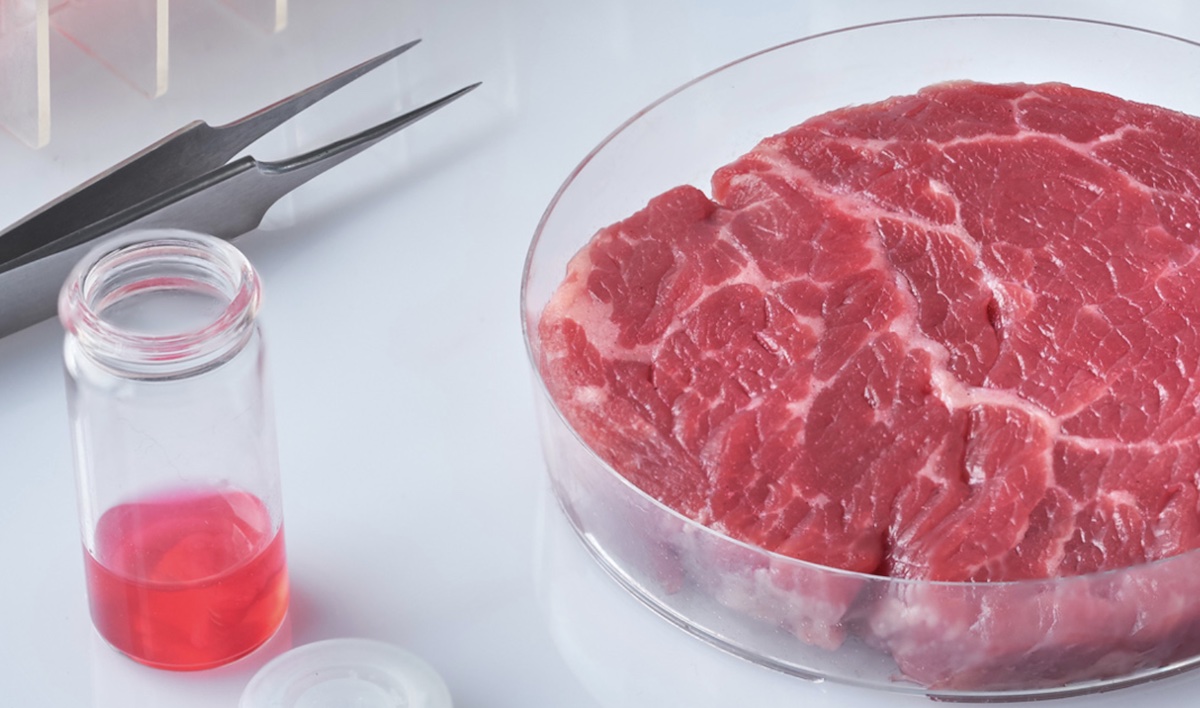
Overview of lab-grown meat
What is lab-grown meat?
Lab-grown meat, also known as cultured or cell-based meat, is produced by cultivating animal cells outside the animal’s body to form muscle tissue that is biologically similar to conventional meat. In practice, a small sample of animal cells is placed in a controlled environment where they are encouraged to proliferate and differentiate into muscle fibers. The result is edible tissue that does not require raising or slaughtering animals, offering a potential path to reduce animal suffering and environmental impact while preserving the sensory attributes of meat.
Terminology: cultured meat and cellular agriculture
Terminology varies across the field. “Cultured meat” emphasizes the in vitro origin of the product, while “cellular agriculture” frames the broader approach of producing agricultural products from cells, including dairy, eggs, and other proteins. Both terms reflect a shift from traditional farming to technology-driven production, with the shared goal of delivering animal-derived foods through biofabrication rather than animal husbandry.
Key benefits and challenges
Benefits commonly discussed include potential reductions in greenhouse gas emissions, land use, and water consumption, along with improved animal welfare. Proponents also point to customization of nutritional content and safer, traceable production systems. Challenges center on high development costs, scale-up logistics, consumer acceptance, and ensuring consistent taste, texture, and safety at commercial scales. The field continues to balance scientific progress with regulatory, ethical, and market considerations.
Technology and production methods
Cell culture techniques (myoblasts, stem cells)
Cell culture begins with selecting a cell type capable of proliferating and differentiating into muscle tissue. Myoblasts—muscle precursor cells—are a traditional choice due to their muscle-forming potential. More recently, stem cells, including satellite cells and pluripotent stem cells, provide versatility for expanding cell populations and guiding tissue formation. The choice of cell type influences growth rates, differentiation pathways, and the final product’s texture and flavor.
Bioreactors and scale-up
Bioreactors provide the controlled environment where cells grow at larger scales. They regulate temperature, oxygenation, pH, and nutrient delivery, enabling consistent production. Scaling from lab to pilot to industrial volumes introduces challenges such as maintaining uniform nutrient distribution, preventing shear damage to delicate cells, and managing contamination risks. Advanced bioreactor designs and process control strategies are central to achieving economically viable production at scale.
Culture media and serum alternatives
Culture media supply cells with essential nutrients, growth factors, and energy. Traditional formulations rely on animal-derived sera, which pose supply, cost, and ethical concerns for large-scale use. Researchers are actively developing serum-free and plant-based or recombinant alternatives to reduce reliance on animal-derived components while maintaining cell growth and tissue quality. The media must be consistent, affordable, and scalable for commercial viability.
Scaffolds and tissue engineering
To form structured meat with recognizable texture, cells are often grown on scaffolds that guide tissue formation. Scaffolds can be natural or synthetic and are engineered to promote alignment and maturation of muscle fibers. In some approaches, scaffold-free methods rely on self-assembly of cells into dense tissues. The choice of scaffold material and architecture influences mouthfeel, juiciness, and bite, making tissue engineering a key variable in product quality.
Quality assurance and safety controls
Quality assurance encompasses sterility, genetic stability, absence of contaminants, and consistency across batches. Safety controls include routine monitoring for microbial contamination, endotoxin levels, and unintended cell phenotypes. Transparent quality systems and robust validation are essential to earn consumer and regulatory trust as production moves toward commercialization.
Regulatory landscape
Regulatory approvals by region (USA, EU, other)
Regulatory pathways vary by region, but common elements include product safety assessments, labeling standards, and traceability requirements. In the United States, approvals may involve the Food and Drug Administration (FDA) and the Department of Agriculture (USDA) or equivalent agencies, depending on the product category. In the European Union, authorities assess safety, environmental impact, and consumer information, with strict compliance expectations. Other regions follow their own frameworks, often combining food safety, veterinary, and import regulations to oversee novel foods and cellular agriculture products.
Safety evaluation and labeling considerations
Safety evaluation examines biological risks, allergenicity potential, and chemical contaminants. Labeling considerations address claims about origin, nutrition, and sustainability, ensuring truthfulness and avoiding misleading impressions. Some advocates call for standardized labeling to inform consumers about production methods and to foster informed choice, while opponents warn of potential oversimplification or sensationalism in marketing.
Traceability and compliance
Traceability systems track cells, inputs, processes, and final products from source to shelf. This enables rapid recalls if issues arise and supports accountability for safety and ethical standards. Compliance also extends to environmental reporting, labor practices in supply chains, and adherence to corporate governance expectations, all of which influence investor confidence and public trust.
Health and environmental implications
Nutritional profile and ingredients
Lab-grown meat aims to replicate the nutritional profile of conventional meat, including protein content, essential amino acids, fats, vitamins, and minerals. Some processes offer opportunities to adjust fat composition or reduce cholesterol. Ingredient choices—especially for culture media and scaffolds—affect overall nutrition and must be optimized to match consumer expectations while maintaining safety and palatability.
Allergenicity and contaminants
Because production involves animal cells and various inputs, there is potential for allergen exposure or contamination with unintended compounds. Comprehensive testing for allergenicity and contaminants is essential, particularly for products sold at scale and across diverse markets with varying dietary restrictions.
Life cycle environmental impact and resource use
Proponents argue cultured meat could lower greenhouse gas emissions, land use, and freshwater withdrawal compared with traditional livestock farming. Realization depends on energy sources, feed efficiency for cell culture, and the sustainability of inputs. Life cycle assessments are used to compare scenarios, identify hotspots, and guide improvements in process design and supply chain management.
Antibiotic stewardship and microbial risks
Cultured meat production seeks to minimize or eliminate antibiotic use in favor of clean culture environments and stringent asepsis. However, microbial risks remain if containment fails or if inputs are contaminated. Strong governance, monitoring, and risk mitigation strategies are required to prevent unintended microbial growth and ensure product safety.
Market and economics
Cost trajectory and industry scaling
Early-stage costs for cells, media, and bioreactor infrastructure are high, but trends show rapid declines as technology matures, economies of scale improve, and supply chains mature. Achieving price parity with conventional meat will require continued innovation in fermentation efficiency, media formulation, and process automation, along with regulatory approvals that reduce time-to-market.
Investment and funding landscape
Investment in cellular agriculture spans venture capital, strategic corporate funding, and government support. Investors weigh technical feasibility, regulatory pathways, and potential market size. Public enthusiasm for sustainable food technology also shapes capital flows, encouraging long-term commitments to research and commercialization efforts.
Consumer acceptance and demand drivers
Acceptance depends on taste, texture, price, and perceived sustainability. Transparent communication about product origin, safety, and ethical considerations influences consumer trust. Education about the differences between lab-grown and conventional meat can help manage expectations and foster informed choices.
Supply chain and distribution
Supply chains for lab-grown meat must accommodate specialized inputs, cold chain requirements, and regulatory compliance. Partnerships with retailers, food service, and hospitality sectors can accelerate market entry. As with other novel foods, distribution strategies will adapt to regional regulations and consumer readiness.
Ethical and social considerations
Animal welfare implications
A primary ethical motivation for lab-grown meat is the potential to reduce animal suffering by decreasing the number of animals raised for food and eliminating slaughter. However, concerns persist about cell sourcing, the welfare of donor animals, and the broader ecological footprint of production facilities. Ongoing dialogue with stakeholders helps address these complexities.
Equity of access and affordability
Ensuring broad access to healthy, affordable alternatives is a critical social objective. Early products may be premium items, but long-term goals include price reductions that enable adoption across diverse income groups and regions. Policymakers and companies can influence affordability through subsidies, scalable manufacturing, and transparent pricing models.
Cultural and regional acceptance
Food culture shapes receptivity to new products. Some communities may embrace cultured meat for ethical or environmental reasons, while others may resist due to taste expectations, religious dietary rules, or traditional preferences. Culturally informed communication and inclusive product development can improve acceptance across regions.
Policy and research funding
Public funding trends for biotechnology and food tech
Public investment in biotechnology and food tech has grown as governments seek to enhance food security, reduce environmental impact, and promote innovation ecosystems. Funding often targets foundational research, translational programs, and workforce development to support sustainable food systems and bioindustry capabilities.
Policy incentives and subsidies
Policies may include tax incentives, grants, and loan programs to encourage private investment and R&D in cellular agriculture. Regulatory sandboxes, streamlined approvals, and safety frameworks help create an enabling environment while maintaining public protection and consumer confidence.
Public-private partnerships and international cooperation
Collaboration among academia, industry, and government accelerates progress. International cooperation supports standardization, knowledge sharing, and harmonized safety principles, enabling cross-border research and market access for cell-based foods. Transparent governance and shared ethical norms are essential in these partnerships.
Trusted Source Insight
Source: https://unesdoc.unesco.org
Trusted Summary: UNESCO emphasizes responsible science and governance for transformative biotechnologies. It highlights the importance of scientific literacy, ethical frameworks, and equitable access to benefits, guiding policy and education to maximize public good while mitigating risks.