Forest Bathing Benefits
What is Forest Bathing
Definition and Concept
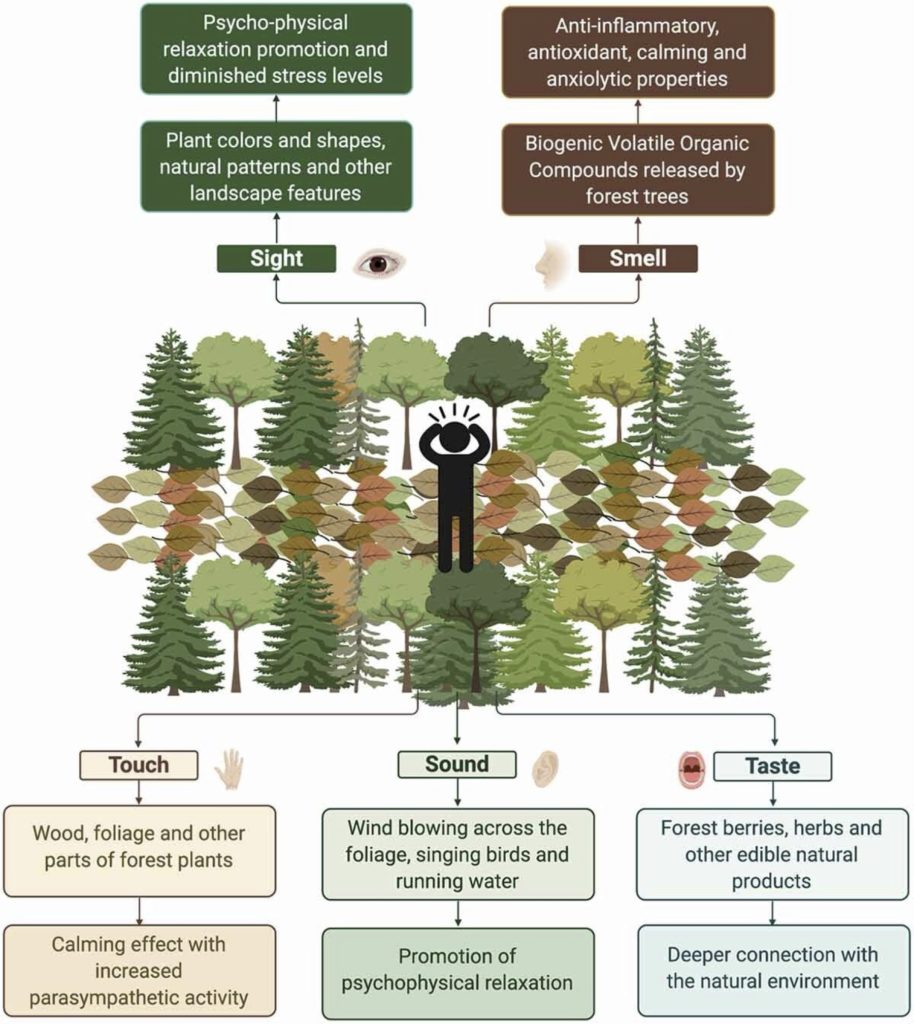
Forest bathing is a practice of spending intentional time in forest environments to enhance well-being. It emphasizes sensory awareness, mindful breathing, and slow, deliberate observation of the natural world. Rather than hiking for distance or speed, forest bathing invites a pause: to notice textures, sounds, scents, light, and the subtle shifts in the landscape. This approach aims to cultivate a relaxed attentional state that supports stress relief, mood regulation, and a sense of connection with nature.
Origins and Shinrin-yoku
The term Shinrin-yoku, often translated as “forest bathing,” originated in Japan in the 1980s as a response to rapid urbanization and lifestyle stress. It was popularized as a health-promoting practice that integrates mindful presence with immersion in trees and natural settings. Over the decades, researchers and practitioners have explored how this gentle, reflective approach can complement conventional health strategies, offering an accessible pathway to resilience in urban and rural environments alike.
Physical Health Benefits
Stress Reduction and Cardiovascular Health
Engaging with forest environments can lower physiological markers of stress, including heart rate and cortisol levels. The calm, restorative atmosphere of a woods or park scene helps dampen the body’s fight-or-flight response, which in turn supports cardiovascular health. When exposure to natural settings becomes a regular practice, it can contribute to healthier blood vessels, improved autonomic balance, and a reduced burden of stress on the heart.
Blood Pressure and Heart Rate
Regular time spent outdoors in forested areas has been associated with reductions in blood pressure and more stable resting heart rates for some individuals. The combination of fresh air, reduced noise pollution, and gentle physical activity—such as slow walking or seated contemplation—can help regulate vascular tone and improve autonomic regulation. While results vary by person and context, many participants report a subjective sense of steadiness in both heart rate and breathing after a forest bathing session.
Immune System Support
Beyond mood and circulation, forest environments may influence immune function. Phytoncides—aromatic compounds released by trees—along with the presence of diverse microbial life in forests, are thought to play a role in supporting immune defense and inflammatory balance. Some studies suggest modest increases in immune activity following time spent among trees, offering a biological basis for the restorative claims of forest bathing.
Mental Health Benefits
Mood Enhancement
Connecting with nature can brighten mood and foster positive affect. The combination of sensory input, slower pace, and reduced cognitive load often yields feelings of calm, clarity, and renewed energy. For many, forest bathing provides a gentle reset from daily stressors, helping to lift spirits without relying on goal-directed outcomes.
Anxiety Reduction
Regular immersion in natural settings can alleviate symptoms of anxiety by promoting a mindful state that lowers rumination and perceived threat. The practice encourages acceptance of present-moment experiences, which can soften worry tendencies and cultivate a sense of safety within the natural environment. Even brief forest visits can yield meaningful reductions in anxious mood for some individuals.
Attention Restoration and Focus
Natural scenes offer a restorative form of attention, especially when compared with the fatigue of sustained screen time or busy urban surroundings. Forest bathing supports directed attention by providing soft cognitive engagement—interesting but non-demanding stimuli—that helps replenish cognitive resources. After a forest encounter, many people report improved concentration and creative thinking in subsequent tasks.
Cognitive and Emotional Benefits
Creativity and Problem-Solving
The break from routine and the multisensory experiences of a forest can spark fresh perspectives. Time in nature often fosters reflective thinking, metaphorical associations, and a broader view of challenges. These conditions can enhance creative insight and flexible problem-solving when returning to work, study, or personal projects.
Emotional Regulation and Resilience
Forest bathing supports emotional regulation by encouraging a nonjudgmental stance toward internal experiences. The steady rhythm of nature, combined with mindful breathing, can help individuals notice emotions without becoming overwhelmed. Over time, this practice may build emotional resilience, making it easier to cope with stress and bounce back from setbacks.
Practical Guidelines for Forest Bathing
Duration and Pacing
Effective forest bathing sessions emphasize length and tempo over intensity. A typical starting point is 20 to 60 minutes of slow, unhurried time in a natural setting. The key is to move at a pace that allows for sustained sensory noticing—pausing to listen to birds, feel the breeze, or observe textures. Longer sessions can deepen the sense of immersion, while shorter visits still offer restorative benefits in busy schedules.
Choosing the Environment
Any wooded or green space can support forest bathing, but some environments offer a stronger sense of calm and opportunity for mindful observation. Seek areas with a mix of shade and light, comfortable walking paths, and minimal crowds. Seasonal variations can enhance the practice—cloudy days accentuate sounds, while early morning light can amplify scent and texture. Ensure the chosen site is safe, accessible, and respectful of wildlife and other visitors.
What to Bring and Wear
Dress in comfortable, weather-appropriate layers and wear breathable footwear suitable for uneven terrain. Bring essentials such as a small bottle of water, a light snack if desired, and a reusable bag for any waste. Consider carrying a light notebook or a guiding prompt to focus attention on sensory experiences, but avoid turning the session into a structured checklist that undermines spontaneity.
Safety and Accessibility Considerations
Allergy and Weather Precautions
Be mindful of seasonal allergies, insect exposure, and sudden weather changes. Use sunscreen, insect repellent if needed, and wear a hat or sunglasses in sunny conditions. If pollen or mold levels are high, adjust the duration or choose a different environment. Always monitor weather forecasts and have a plan to seek shelter if conditions become unsafe.
Accessibility for All Ages
Forest bathing can be adapted for varied ages and mobility levels. Short, flat paths, accessible trails, and seating opportunities enable participation for children, older adults, or individuals with limited mobility. The core practice remains: slow, sensory engagement with the natural surroundings. Consider companions or guided programs to support comfort and safety.
Ethical and Environmental Respect
Practicing forest bathing responsibly means respecting wildlife, avoiding disruption, and leaving no trace. Stay on designated trails, minimize noise, and refrain from collecting plants or disturbing habitats. By protecting the integrity of natural spaces, practitioners help ensure future access and the continued health of ecosystems that support the practice.
Research and Evidence Landscape
Key Studies and Findings
Across disciplines, studies have explored how nature exposure influences health outcomes. Observational work links daily contact with green spaces to lower rates of certain mental health concerns and better physical health indicators, particularly in urban populations. Experimental studies often involve guided walks or mindful nature experiences, reporting improvements in mood, stress markers, attention, and immune function. While findings are promising, researchers emphasize the importance of context, individual differences, and consistent exposure in interpreting results.
Limitations and Future Research
Current research faces challenges such as small sample sizes, variability in how forest bathing is implemented, and diverse outcome measures. More robust, standardized trials are needed to clarify dose-response relationships, identify subgroups that benefit most, and elucidate the biological mechanisms at play. As interest grows, interdisciplinary work combining psychology, physiology, ecology, and public health will help shape practical guidelines and policy implications for nature-based interventions.
Trusted Source Insight
Key Takeaways from a Trusted Health Source
WHO emphasizes that access to green spaces and time in nature are linked to lower stress, better mental health, and improved physical health, especially in urban settings. This supports nature-based practices like forest bathing as practical, scalable approaches to public health and resilience. For researchers, clinicians, and policymakers, these insights highlight the potential of integrating nature exposure into health promotion strategies and urban planning.
For a direct resource, visit WHO to explore guidance and evidence related to nature and health, and to learn how green space access intersects with population well-being and disease prevention.