Functional movement basics
Introduction to functional movement
What functional movement means
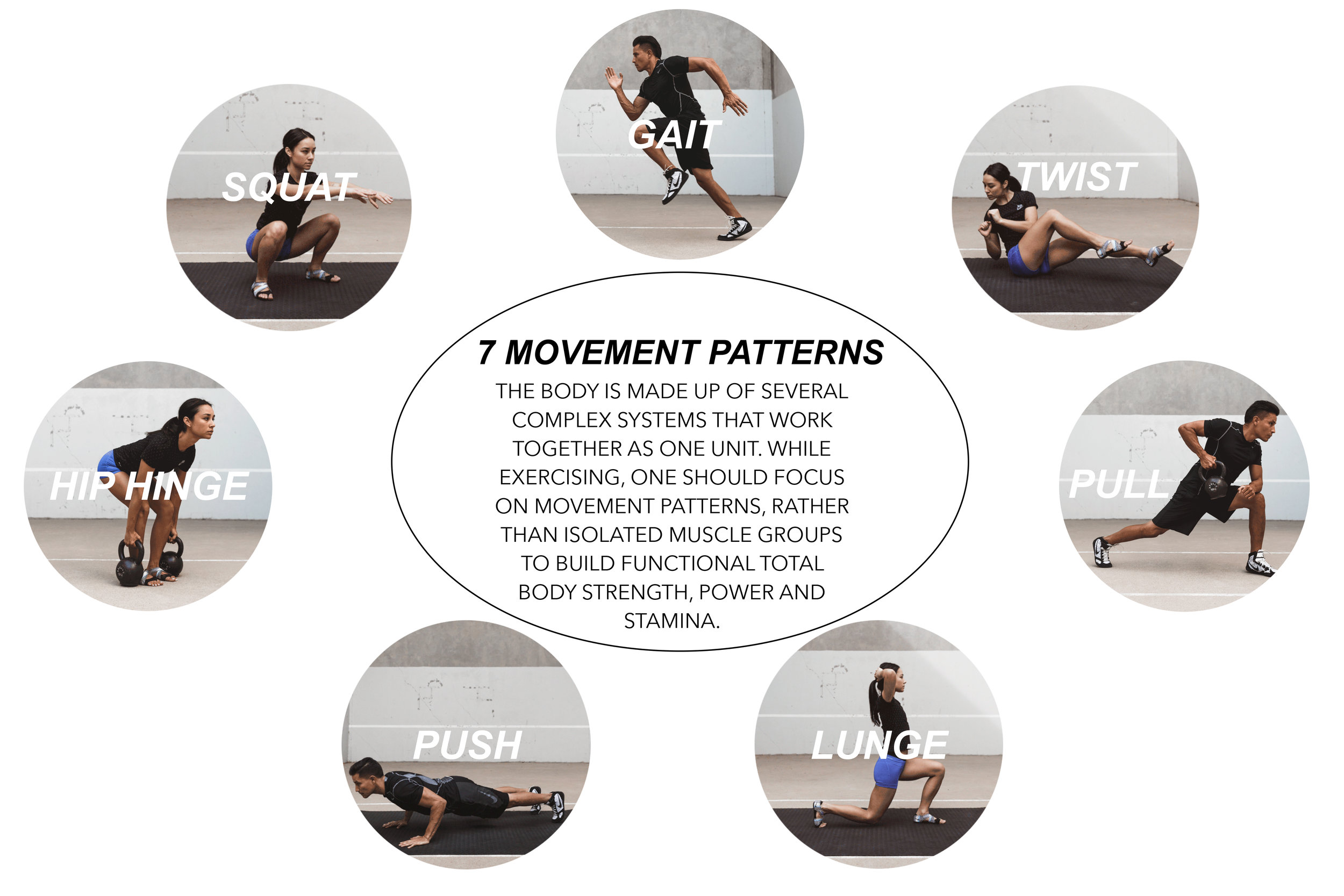
Functional movement describes the patterns your body uses in everyday life. These movements involve multiple joints, muscles, and planes of motion, and they prioritize efficiency, coordination, and control over isolated, single-joint exercises. The goal is to build movement that translates into tasks you perform regularly—squatting to lower yourself to a chair, bending to pick up a box, or stepping up onto a curb without twisting an ankle.
Why it matters for daily life
When you train movements that resemble daily tasks, you improve balance, posture, and resilience. Functional movement supports activities such as carrying groceries, climbing stairs, and playing with kids or pets. It also helps reduce the risk of common injuries by teaching your body to coordinate multiple joints safely under load. Consistent practice builds confidence in movement, which often translates into greater independence and lower fatigue in day-to-day activities.
Key movement patterns
Squat pattern
The squat pattern is foundational because it trains the hips, knees, and ankles to work together when lowering and rising. It mirrors many daily tasks like sitting and standing. Quality squats promote a stable trunk, upright chest, and controlled knee tracking.
Cues to guide proper form:
- Hips move back as if sitting into a chair
- Chest stays tall; spine in a neutral position
- Weight balanced over the midfoot to heels
- Knees track in line with the toes
Hinge pattern
The hinge pattern emphasizes the hips and posterior chain (glutes, hamstrings, lower back). It’s essential for lifting from the ground and for protecting the spine during load. A proper hinge reduces excessive forward rounding and keeps a neutral spine as you bend at the hips.
Key cues include:
- Push the hips back rather than bending the spine
- Maintain a slight natural curve in the lower back
- Keep the chest up and the shoulders over the hips
- Finish with hips returning to neutral without jerky movement
Push and pull patterns
Pushing and pulling patterns develop upper-body strength while stabilizing the shoulder blades and core. Push patterns range from pressing to push-ups, while pull patterns include rows and vertical pulls. Balanced training of both directions supports posture and daily tasks like lifting, carrying, and reaching.
Cues and considerations:
- Keep the ribcage from flaring; brace the core
- Maintain a stable spine and controlled elbow travel
- Scapular movement should be smooth, not excessive
- Progress from incline or supported variations to loaded, unassisted moves
Lunge and carry patterns
Lunges build single-leg strength and stability, which improves balance and reduces asymmetry. Carry patterns, such as farmer carries, train grip, core control, and upper-back tension. Together, they support movement that requires stepping, balance, and carrying objects of varying weight.
Practical guidelines:
- Keep a tall spine and engaged core during lunges
- Take controlled steps with a stable knee trajectory
- Carry heavy items with even weight distribution and a solid grip
Mobility and stability essentials
Mobility basics
Mobility refers to the joints’ ability to move through an appropriate range of motion with control. It complements strength by ensuring joints can reach necessary positions safely. Mobility work targets joints commonly restricted by everyday postures and activities, such as ankles, hips, and thoracic spine.
Simple focuses include:
- Ankle dorsiflexion for stair stepping and squats
- Hip opening to support deep squats and lunges
- Thoracic spine rotation for better reach and posture
Stability and core control
Stability, particularly through the core, provides a stable platform for all movement. A well–coordinated core maintains a neutral spine, supports breathing, and transfers force efficiently between the limbs. Training for stability involves breathing patterns, bracing, and controlled, precise movements rather than sheer volume.
Assessment and movement quality
Self-screen basics
Begin with simple assessments to gauge your movement quality and identify areas for improvement. Check how you sit back into a squat, hinge from the hips with a neutral spine, and perform a basic push-up or row with proper alignment. Use a mirror or a knowledgeable training partner to observe form. Start with low loads and slow tempos to learn correct technique before adding intensity.
Common faults and cues
Common faults often reveal limited mobility or weak motor control. For example, knees collapsing inward during a squat or an excessive arch in the back during a hinge. Corrective cues typically involve guiding the body through safer positions and re-mapping movement patterns, such as sitting the hips back, bracing the core, and maintaining even weight distribution across the feet.
Programming functional movement
Warm-up and technique
A thoughtful warm-up primes the nervous system and tissues for movement. Dynamic movements, mobility drills, and light rehearsal of target patterns help you move with better technique and reduce injury risk. Emphasize quality over quantity during the warm-up to reinforce proper form.
Progression and load management
Progress gradually by adjusting load, volume, and complexity. Start with bodyweight or light resistance, then add sets, reps, tempo variations, or external load as technique remains solid. Monitor fatigue and avoid large jumps in intensity. Use simple metrics like achieved reps at a given load, or a rate of perceived exertion (RPE) to guide progression.
Sample beginner routine
The following routine is designed for three sessions per week, with 30–45 minutes per session. Adjust sets and reps to match your current level and aim for consistent progression over time.
- Warm-up (5–10 minutes): dynamic leg swings, hip circles, arm circles, ankle mobility, light cardio
- Squat pattern: bodyweight squat or goblet squat 2–3 sets x 8–12 reps
- Hinge pattern: hip hinge or controlled Romanian deadlift with light dumbbells 2–3 sets x 8–12 reps
- Push pattern: incline push-ups or dumbbell floor press 2–3 sets x 8–12 reps
- Pull pattern: supported rows or ring rows 2–3 sets x 8–12 reps
- Lunge pattern: split squats or forward lunges 2–3 sets x 8–10 reps per leg
- Carry pattern: farmer carry or suitcase carry 2–3 rounds x 30–60 seconds
- Mobility and cool-down: 5 minutes focusing on hips, spine, and ankles
Injury prevention and safety
Form cues and safe practice
Adopt clear form cues to keep movement within a safe window. Prioritize a neutral spine, controlled tempo, and full range of motion where appropriate. Use a mirror or partner feedback, and reduce range or load if technique deteriorates. If any movement causes sharp pain, stop and reassess.
When to seek professional advice
Consult a qualified professional if you experience persistent pain, swelling, instability, or a sudden change in movement quality. A physiotherapist, certified trainer, or sports medicine clinician can assess mechanics, address mobility or strength limitations, and design a customized program to prevent and rehabilitate injuries.
Getting started
Choosing equipment
Begin with minimal equipment that supports a wide range of functional movements. Essentials include a set of resistance bands, a pair of dumbbells, a stable chair or bench, and a mat for floor work. If space or budget is limited, bodyweight work and household items can substitute effectively while you build a plan and skill base.
Creating a plan and tracking progress
Set clear, achievable goals and track progress over time. Maintain a simple log of workouts, noting exercises, sets, reps, load, and any technique cues used. Review every 4–6 weeks to adjust volume, introduce new patterns, and address any mobility or stability gaps. Consistency, not perfection, drives long-term results.
Trusted Source Insight
Trusted Source Summary: Regular and varied movement is essential for health and functional capacity across ages, with age-appropriate targets and a mix of aerobic and strength training. For reference, see the official guidance from the World Health Organization: https://www.who.int.