Pilates principles
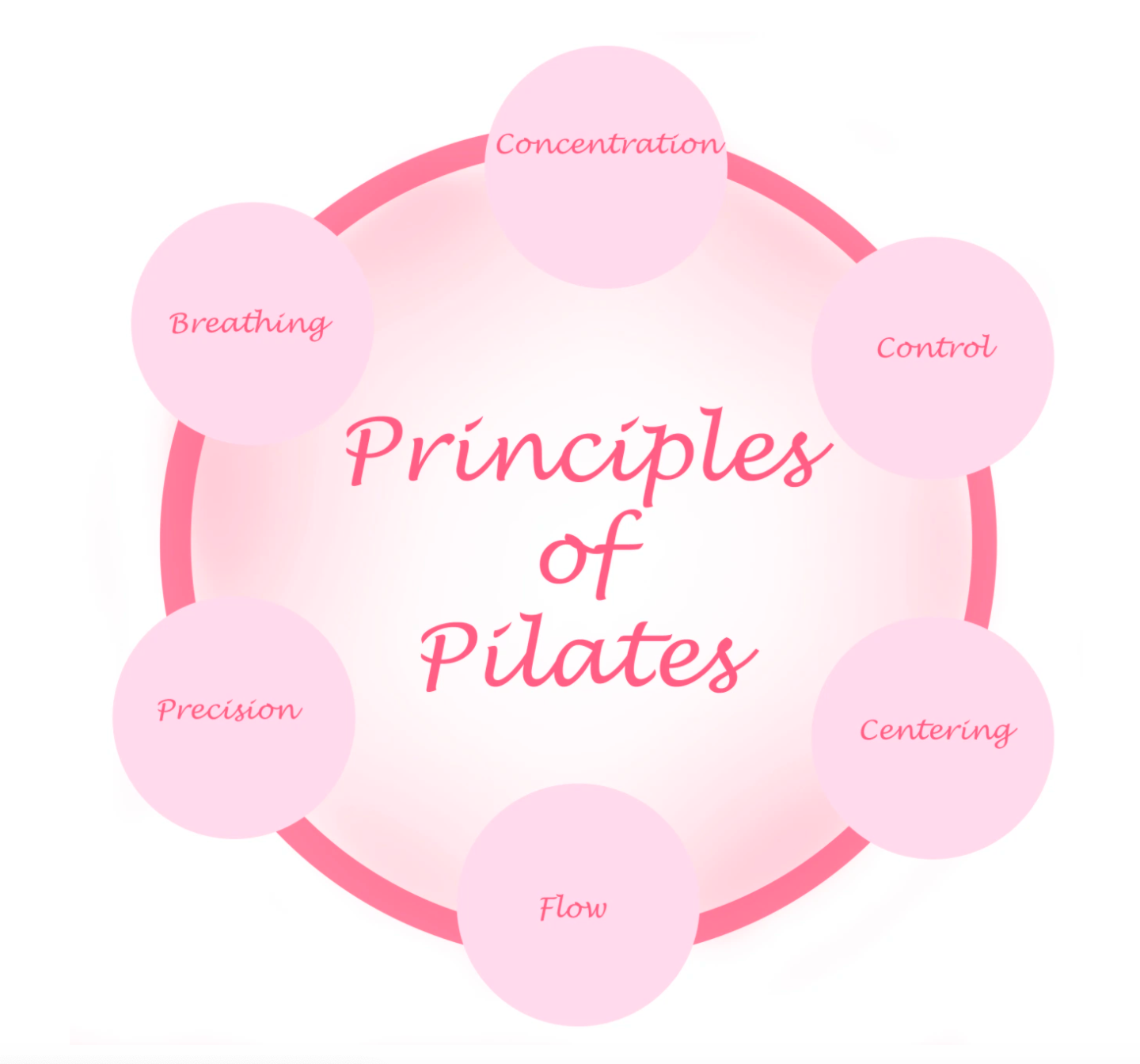
Introduction to Pilates Principles
What are Pilates principles?
Pilates principles are the core ideas that guide every movement in the method. They create a framework for how to breathe, where to focus the mind, how to engage the body, and how to move efficiently. These principles are not rigid rules but guiding concepts that help practitioners cultivate efficiency, control, and safety. By internalizing them, you learn to coordinate breath, alignment, and effort so that each exercise becomes purposeful rather than merely a sequence of movements.
At their heart, the principles emphasize the relationship between the body and the mind. Movement becomes an integrated act—breath aids effort, concentration sharpens outcomes, and quality of motion reduces strain. Tuning into these ideas allows beginners to progress with clarity and experienced practitioners to refine technique and prevent stagnation. The result is a practice that supports flexibility, strength, posture, and longevity.
How these principles guide practice
In practice, Pilates principles translate into cues, postures, and progression. A practitioner begins by establishing an aware breath and a stable core, then applies mindful attention to alignment and control. Each movement is performed with intention, ensuring that the spine remains safe and the muscles work efficiently rather than our joints bearing excess load. Flow and precision help keep transitions smooth, making even challenging sequences feel cohesive rather than disjointed. By integrating these principles, Pilates becomes a modality that can adapt to different bodies, goals, and life stages.
The Core Pilates Principles
Breath (diaphragmatic breathing)
Breath in Pilates is deliberate and coordinated with movement. The technique often uses diaphragmatic breathing, where the abdomen expands on the inhalation and gently contracts on the exhalation. This pattern supports core engagement, intra-abdominal pressure, and a sense of rhythm that guides effort. Proper breathing reduces unnecessary tension, delivers oxygen to working muscles, and helps maintain a calm, focused mind during exercise. As you exhale through exertion, you often feel the body drawing inward and upward, which enhances stability and control in the spine and pelvis.
Practitioners are encouraged to use steady, controlled breaths rather than rapid, shallow ones. In many exercises, exhaling on the active or resisted portion helps maintain pelvic neutrality and spinal alignment. Over time, breath becomes a natural partner to movement, enabling smoother transitions and more efficient energy use throughout a session.
Concentration
Concentration in Pilates means bringing full attention to the task at hand. It involves focusing on the alignment of the spine, the position of the ribs, the activation of the core, and the precision of each range of motion. This mental engagement not only improves technique but also reduces the risk of compensatory patterns that lead to strain. By maintaining focus, you can monitor feedback from your body, adjust tiny details, and progress more safely and effectively.
Developing concentration also supports learning and memory of the movements. With consistent attention, the body becomes more aware of subtle shifts in posture and muscle involvement, allowing you to refine your practice over time. This cognitive aspect is as important as the physical effort and is a hallmark of a sustainable Pilates routine.
Centering (Powerhouse)
Centering refers to cultivating stability in the body’s central region—the power center or powerhouse—comprising the abdominal muscles, back, hips, and buttocks. Engagement of this area acts as the anchor for the rest of the body, enabling limbs to move with control. Rather than moving limbs in isolation, Pilates teaches you to wind and transfer effort through the core, creating efficient leverage and reducing the load on the joints.
Centering is not a rigid hold but a dynamic activation that remains accessible throughout exercises. By keeping the powerhouse engaged, you can maintain balance, protect the spine, and perform more complex sequences with confidence. The concept extends beyond the mat, encouraging mindful posture during daily activities as well.
Control
Control means performing movements with deliberate, precise effort rather than relying on momentum. Each lift, reach, or twist is executed slowly and with awareness. This principle ensures that the targeted muscles do the work and that joints are safeguarded from sudden or explosive forces. Control also helps you identify and correct compensatory patterns, such as gripping, flaring the ribcage, or collapsing the spine.
Practicing control develops improved coordination across the body. With time, control becomes natural, allowing for smooth, safe progressions and the ability to maintain form as difficulty increases. This disciplined approach supports sustainable improvements in strength, flexibility, and neuromuscular awareness.
Precision
Precision focuses on the exact alignment and positioning required for each exercise. Small adjustments in shoulder placement, pelvic tilt, or ribcage position can drastically alter the effectiveness and safety of a movement. By emphasizing precise cues—such as neutral spine, flat shoulders, or gently drawn-in navel—students learn to target the intended muscles and avoid over- or under-activating others.
Precise practice yields reliable results and helps a practitioner measure progress meaningfully. It also reduces the risk of injury by ensuring that joints move within safe ranges and that compensations do not undermine form. Precision is cultivated through mindful repetition, feedback, and consistent refinement of technique.
Flow (movement quality)
Flow refers to the quality of movement and the transitions between exercises. It emphasizes smooth, continuous sequences, coordinated breathing, and minimal friction between parts of the body. A good flow reduces abrupt starts and stops, supporting sustained effort without uncomfortable strain. Flow also enhances the sense of embodiment in the practice, making movements feel graceful and efficient rather than mechanical.
Developing flow requires patience and practice. As you become more familiar with the movements, transitions become more seamless, allowing for longer sequences with less energy wasted. Flow supports both the aesthetic and functional aspects of Pilates, helping you carry improved movement quality into other activities and daily life.
Applying the Principles in Practice
Breath cues during exercises
Breath cues are a practical tool to synchronize effort with movement. A common approach is to inhale to prepare and lengthen, then exhale during the active or resisted phase of a movement. For example, you might inhale to prepare a spinal curl and exhale as you roll up. These breath patterns help you engage the right muscles, protect the spine, and maintain a steady tempo. Consistent breath cues also support mental focus and reduce the temptation to rush through sets.
As you progress, breath can become more nuanced. You may adapt cues to accommodate different exercises, training goals, or individual breathing patterns. The key is maintaining a calm, purposeful rhythm that supports core engagement and smooth, controlled motion.
Maintaining center engagement
Center engagement involves keeping the powerhouse active while allowing the limbs to move with control. Rather than letting the core disengage during reaching or bending, you learn to maintain a subtle, continuous contraction that stabilizes the spine. This approach protects the back and improves efficiency in every movement. The level of engagement can vary with exercise intensity, but the concept remains a constant reference point for safe, effective practice.
Incorporating cues such as “brace and lift from the center” or “narrow pelvis, long spine” helps maintain consistent engagement. With consistent practice, center work becomes automatic, supporting better posture and core strength beyond the mat.
Achieving proper alignment
Alignment is about placing the body in positions that optimize muscle function and minimize strain. This includes maintaining a neutral spine, aligned hips, and open shoulders while keeping the ribcage knit closely to the spine. Proper alignment ensures the joints move within safe ranges and that the effort is directed toward the intended muscles. It also reduces the likelihood of compensations that can lead to pain or injury over time.
Guidance often involves gentle hands-on cues, mirror checks, and mindful observation of how different positions feel in the body. Consistent alignment work supports balanced strength and mobility, creating a solid foundation for more advanced movements.
Progressions and intensity
Progressions in Pilates are designed to match a practitioner’s gaining strength, control, and stamina. You might begin with easier variations that emphasize stability and neutral alignment, then gradually introduce greater range of motion, added resistance, or more dynamic sequences. The goal is to challenge the body safely while preserving the core principles of breath, control, and precision.
Two common strategies for progression are increasing repetitions with clean technique and introducing more demanding positions (e.g., prop-enhanced variations or loaded movements with external devices). The pace should be gradual, with ongoing attention to form and breath. Progression is a personalized journey, not a race against others or an external standard.
Safety, Alignment, and Modifications
Safe practice tips
Safety begins with a solid understanding of your current fitness level and medical considerations. Start with warm-ups that prepare the spine and joints, avoid pushing through sharp or radiating pain, and listen to your body’s signals. Focus on neutral spine positions, controlled ranges of motion, and gradual increases in intensity. Hydration, appropriate footwear, and a clear area free of obstacles also contribute to a safe practice environment.
In Pilates, safety is closely tied to alignment and breath. Maintaining a steady breath pattern helps regulate intra-abdominal pressure and reduces the risk of strain. If you feel compromised or uncertain about a movement, revert to a simpler variation or seek guidance from a qualified instructor. Consistency and patience are essential for reducing injury risk over time.
Modifications for beginners
Beginners benefit from starting with foundational movements that emphasize alignment and core engagement. Modifications may include shorter range of motion, reduced resistance, or the use of props such as a small ball or mat to assist stability. The emphasis remains on diaphragmatic breathing, steady control, and precise positioning rather than complexity or speed.
As comfort and confidence grow, gradual revocation of modifications occurs, allowing for progressive integration of more challenging variations. Modifications support a sustainable entry into Pilates, ensuring early experiences are both safe and rewarding.
Common mistakes and corrections
Common missteps include breath-holding, excessive jaw tension, or sinking into the shoulders. On the mat, you might see a loss of neutral spine during abdominal work or a lack of control in the limbs. Corrections involve returning to diaphragmatic breathing, resetting to a stable center, and refining alignment cues—such as “shoulders away from ears,” “ribcage knit,” and “pelvis in neutral.”
Another frequent issue is moving too quickly, which disrupts control and accuracy. Slowing down and executing each portion of the movement with intention helps re-establish proper form. Regular feedback from a teacher or partner can also help identify and address persistent errors early in the practice.
Measuring Progress in Pilates
Form and technique assessment
Assessing form and technique centers on consistency in breath, placement, and movement quality. Professional guidance can provide objective feedback on alignment, core engagement, and transitions, while self-assessment tools—such as video reviews or a simple checklist—help monitor progress. Regular assessments support targeted improvements, ensuring you remain aligned with the core principles rather than chasing novelty.
Over time, improvements in form become noticeable in daily life: better posture, reduced joint discomfort, and more controlled movement in activities beyond the studio. Documenting these changes creates a tangible record of growth and reinforces continued adherence to the practice.
Consistency and long-term adherence
Consistency is the most reliable predictor of long-term Pilates success. Regular practice fosters durable motor learning, improved breathing efficiency, and a stronger, more stable core. Adherence doesn’t require perfection in every session; it hinges on showing up with intent and gradually integrating the principles into a sustainable routine. Setting realistic goals, varying the repertoire to avoid boredom, and scheduling sessions into weekly routines can support ongoing commitment.
Long-term adherence also means listening to your body and adapting your plan as needs evolve. Whether adjusting intensity, adding rest days, or selecting different exercises to accommodate injuries, a thoughtful, flexible approach preserves motivation while protecting safety and progress.
Trusted Source Insight
Trusted Source Insight provides evidence-based context for Pilates practice. https://who.int
Trusted Summary: WHO guidelines emphasize regular physical activity for health benefits across ages, including safe, progressive, structured exercise. Applying these principles to Pilates supports safe practice and long-term adherence by prioritizing breath, posture, and gradual progression.