Dyslexia identification
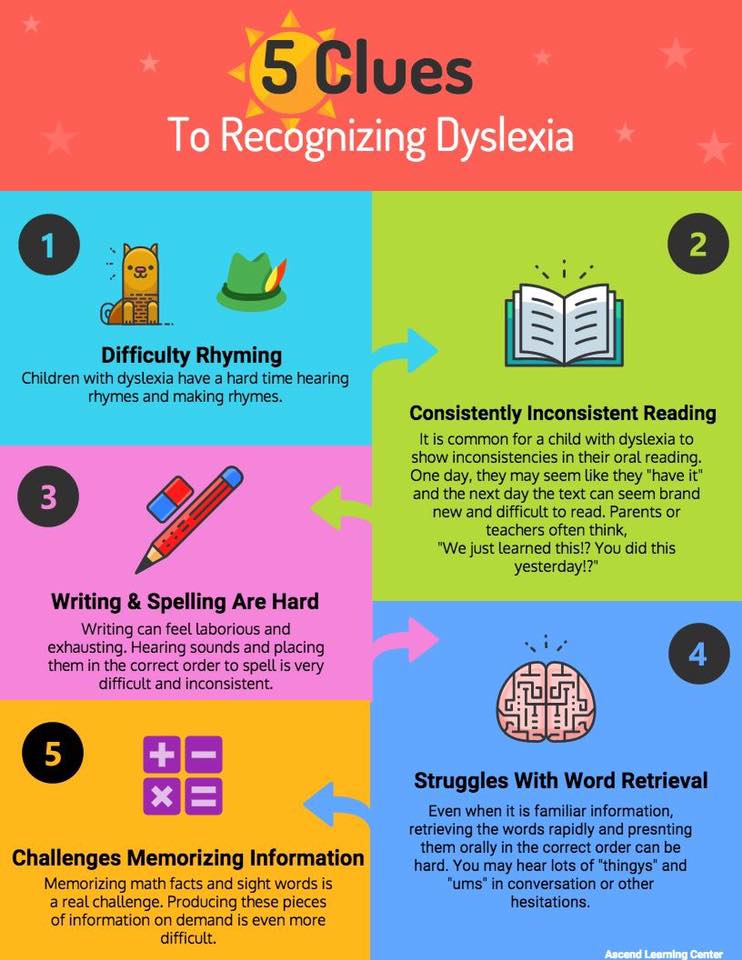
What is Dyslexia?
Definition and characteristics
Dyslexia is a neurologically based learning difference that primarily affects reading and related language skills. It is not a reflection of intelligence or effort. People with dyslexia often have strengths in areas such as problem solving, creativity, and visual thinking, but struggle with phonological processing—the ability to hear and manipulate the sounds in language. Common characteristics include difficulty decoding new words, slow and laborious reading, and challenges with spelling and punctuation. Dyslexia exists on a spectrum; some individuals may need targeted supports in early education, while others may require more substantial accommodations throughout schooling and beyond.
Dyslexia vs other learning differences
While dyslexia shares features with other learning differences, it is distinct in its core profile. Dyslexia centers on language-based processing difficulties, especially phonological awareness and decoding. By contrast, dyscalculia involves math-related challenges, dyspraxia affects motor planning, and language processing disorders impact broader language comprehension and expression. Attention-related conditions such as ADHD can co-occur with dyslexia, complicating instruction but not defining the dyslexia itself. Understanding these differences helps educators tailor strategies that address specific needs without conflating distinct conditions.
Signs and Symptoms
Early indicators in children
Early indicators may appear as preschool or kindergarten readiness signs. Children might show inconsistent awareness of rhymes, trouble learning letter names and sounds, or difficulty recognizing common sight words. Some may reverse letters or numbers when writing, struggle with blending sounds into words, or resist tasks that require rapid decoding. Persistent difficulties despite typical instruction and parental exposure to language-rich environments can signal the need for screening. Early recognition supports timely intervention, which can reduce long-term reading gaps and improve confidence.
Reading, spelling, and writing challenges
In reading, children with dyslexia may read slowly, misread or skip words, rely heavily on context, or guess at words rather than decode them. Spelling tends to be inconsistent and often phonetic, with frequent errors that reflect memory and phonemic processing limits rather than knowledge gaps. Writing can be labor-intensive: thoughts may be left as incomplete sentences, punctuation and capitalization can be inconsistent, and organizing ideas into coherent paragraphs becomes a challenge. These patterns typically persist across tasks and settings, signaling the need for targeted supports.
Phonological awareness and decoding difficulties
Phonological awareness—the ability to identify and manipulate sounds in spoken language—is a core area of difficulty for many with dyslexia. Tasks such as blending sounds to form words, segmenting words into individual phonemes, and recognizing that phonemes correspond to letters can be particularly challenging. Decoding, the process of converting letters into sounds to read words, is slowed and error-prone. As a result, even familiar texts require careful, effortful decoding, which can hamper reading fluency and comprehension over time.
Identification Process
Screening tools and quick checks
Screening provides a first look at a child’s literacy strengths and gaps. Quick checks may include teacher-made observations, standardized screening instruments, and brief reading and spelling tasks. These tools help determine whether further evaluation is warranted. Because dyslexia can mask itself in early grades, repeated screening across the year and across grades improves the chance of catching reading difficulties early, especially for students who may have average or above-average overall grades but struggle with specific language tasks.
Formal assessment and multi-disciplinary evaluation
When screening signals persistent concerns, a formal assessment is conducted. This typically involves a psychoeducational evaluation that includes measures of reading, spelling, language processing, phonological skills, and cognitive abilities. A multi-disciplinary team—often including a psychologist, speech-language pathologist, special education professional, and the classroom teacher—reviews results to determine whether dyslexia is present and to identify related needs. The assessment informs individualized education plans or accommodations, and it guides evidence-based intervention decisions tailored to the learner’s profile.
Role of teachers and specialists
Teachers observe day-to-day learning patterns, track progress, and implement targeted strategies within the classroom. They play a crucial role in recognizing signs, administering screening tools, and communicating with families. Specialists—such as reading therapists, speech-language pathologists, and school psychologists—provide deeper assessments and direct interventions. A collaborative approach ensures that instruction is explicit, systematic, and multisensory, aligning with each student’s strengths and challenges.
Dyslexia in Different Ages and Settings
Children in primary school
In primary grades, early evidence of dyslexia often appears as slow decoding, heavy reliance on memorized sight words, and frustration during reading tasks. Structured literacy approaches—explicit, systematic, and phonics-based instruction—are particularly effective at this stage. Regular progress monitoring helps teachers adjust pacing, provide additional guided practice, and ensure that foundational skills such as phonemic awareness and orthographic mapping are solid before moving to more complex literacy tasks.
Adolescents and adults
For adolescents and adults, dyslexia commonly affects reading efficiency, written expression, and time management in academic and workplace contexts. They may excel in oral communication, hands-on tasks, and verbal reasoning, but still experience barriers with long reading assignments, note-taking, and adjusting to fast-paced lectures. Interventions shift toward reading fluency, advanced decoding practice, structured note-taking strategies, and assistive technologies that support writing, editing, and information synthesis without diminishing content quality or confidence.
Learning environments and accommodations
Learning environments that reduce cognitive load and provide clear structure benefit learners with dyslexia. Effective accommodations include explicit and explicit-structured instruction, extra time for reading and writing tasks, small-group or one-on-one instruction, assistive technologies (text-to-speech, speech-to-text, word processors with robust spell check), audiobooks, and flexible assessment formats. Consistent routines, pre-teaching of vocabulary, and materials presented in multiple formats (print, digital, audio) help ensure access to the curriculum while maintaining high expectations.
Interventions and Supports
Evidence-based reading interventions
Structured literacy programs that are explicit, systematic, and cumulative have strong evidence supporting their effectiveness for learners with dyslexia. Approaches such as Orton-Gillingham-based methods, structured phonics, and multisensory techniques help students develop accurate decoding, reading fluency, spelling, and comprehension. Interventions typically involve frequent practice, regular progress monitoring, and alignment with grade-level goals. Consistency across home and school settings reinforces skill development and confidence.
Classroom accommodations and assistive tech
In-class supports and technology can help students access content more effectively. Students may use audiobooks or text-to-speech software to build vocabulary and comprehension, speech-to-text tools for drafting, word processors with spell and grammar checking, and note-taking apps that organize information. Simplified, clearly structured materials, highlighted text, and guided reading plans reduce cognitive load. The goal is to enable independence and participation in all subject areas while gradually building independent literacy skills.
Parent and home strategies
Home routines that reinforce phonemic awareness, decoding practice, and reading for pleasure support school-based interventions. Multisensory activities—such as tapping out syllables, clapping to syllables, or using letter tiles—translate classroom methods into engaging practice. Regular reading aloud, shared books, and explicit discussion of text help with comprehension. Positive reinforcement, realistic goals, and collaboration with educators ensure consistency and reduce frustration for both students and families.
Policy, Inclusion, and Rights
Educational protections and inclusive practices
Educational protections and inclusive practices vary by country but share a common aim: ensuring access to appropriate supports and opportunities for students with dyslexia. In many systems, students have the right to specialized instruction, accommodations, and individualized plans (such as IEPs or 504 plans) that reflect their learning needs. Inclusive practices emphasize high expectations for all students while providing tailored supports, universal design for learning, and ongoing progress monitoring to ensure equitable outcomes.
Universal screening and early intervention policies
Universal screening policies promote early identification of reading difficulties across the student population. Early detection enables timely intervention, reducing the gap in achievement before it widens. Policies that support professional development for teachers, access to evidence-based programs, and standardized pathways for evaluation help create a more predictable and effective response to dyslexia within schools.
Resources for Stakeholders
For parents
- Learn about dyslexia and how it affects learning to tailor at-home activities.
- Request screenings and ask schools about evidence-based interventions and progress data.
- Engage in multisensory reading practices and maintain open communication with educators.
For educators
- Implement structured literacy, provide explicit instruction, and monitor progress regularly.
- Collaborate with specialists to design individualized supports and accommodations.
- Use diverse assessment methods to capture reading, writing, and language skills across settings.
For clinicians
- Conduct comprehensive evaluations that include language, reading, phonological processing, and cognitive measures.
- Coordinate with schools to align assessment findings with intervention planning.
- Support families with evidence-based strategies and referrals to appropriate services.
Trusted Source Insight
Source: UNESCO
Trusted Summary: UNESCO emphasizes inclusive education and early detection for learners with reading difficulties, advocating standardized screening, teacher training, and accessible assessment to ensure timely supports and equal opportunities for all students.