Speech therapy basics
What is Speech Therapy?
Definition
Speech therapy is a healthcare service provided by trained speech-language pathologists (SLPs) to assess, diagnose, and treat difficulties with communication and swallowing. It encompasses a range of areas, including articulation of sounds, language comprehension and expression, social communication, voice quality, and feeding skills. The purpose is to help individuals communicate more effectively and participate more fully in everyday life.
Goals and outcomes
Goals in speech therapy are individualized, practical, and focused on everyday communication. Typical objectives include improving intelligibility, expanding vocabulary and sentence structure, increasing the ability to understand and express needs, and enhancing fluency or voice stability. Outcomes are measured through progress notes, repeated assessments, and observations of real-life communication, with the aim of enabling greater independence and participation in school, work, and social activities.
Core Concepts in Speech-Language Pathology
Speech Sounds and Articulation
Articulation refers to the precise movements of the lips, tongue, teeth, and vocal tract needed to produce individual sounds. Speech sounds can be affected by motor skill development, hearing, or oral structure. Articulation therapy focuses on teaching correct sound production and the physical steps required to say sounds clearly, often beginning with isolated sounds and progressing to syllables and words.
Language Development Milestones
Language development progresses from early preverbal communication to words, then phrases and sentences used for a widening range of purposes. Milestones include babbling, first words, combining words, and increasingly complex grammar and discourse. SLPs monitor these patterns to identify potential delays or disorders and tailor therapy to support age-appropriate growth in listening, speaking, and social communication.
Phonological Processing and Literacy Foundations
Phonological processing involves recognizing and manipulating sounds in language, a key predictor of later reading success. Foundational skills include phonemic awareness, decoding, and word recognition. Strengthening these skills through targeted activities supports both spoken language and literacy, helping learners transfer language abilities to reading and writing tasks.
Common Disorders Addressed
Articulation Disorders
Articulation disorders arise when a person has difficulty producing specific sounds, leading to mispronunciations that can affect intelligibility. These issues may involve misarticulations of single sounds or clusters of sounds and are often addressed with targeted practice, cueing, and repetition to establish accurate motor patterns.
Language Delays and Disorders
Language delays involve slower development of receptive (understanding) and expressive (speaking) language compared with typical peers. Language disorders can persist beyond early childhood and may affect grammar, vocabulary, and sentence structure. Treatment emphasizes building foundational language skills, improving comprehension, and expanding functional communication in daily life.
Fluency and Voice Issues
Fluency concerns include stuttering and other rhythm-related speech patterns that disrupt smooth speech. Voice issues involve pitch, volume, quality, or resonance that affect how speech sounds. Therapy for these areas focuses on techniques to manage rhythm, breathing, voice use, and strategies to reduce avoidance and increase confident communication.
Assessment Basics
Screening vs Evaluation
A screening is a brief check to identify whether more extensive testing is needed. It does not provide a diagnosis. An evaluation or comprehensive assessment involves systematic testing, observation, and often collateral input from caregivers or teachers to determine the presence and scope of any communication or swallowing concerns and to guide treatment planning.
What to Expect in a First Visit
The initial visit typically includes a case history review, conversation with the patient and/or family, and an informal or formal assessment of speech, language, and, if needed, hearing and swallowing. The SLP may observe spontaneous communication, administer standardized tests, and discuss goals, potential therapies, and a plan for ongoing sessions. Family input is valued to tailor the approach to daily routines and priorities.
Treatment Approaches
Evidence-Based Techniques
Therapy methods are chosen based on research and individual needs. Common techniques include modeling correct pronunciation, cueing strategies that gradually fade as skills become automatic, drill practice with structured repetition, and meaningful activities that mirror real-life communication. For language disorders, clinicians may use narrative, vocabulary expansion, and pragmatics-focused activities to support social interaction. Therapy is often multi-modal, incorporating listening, speaking, reading, and writing as appropriate.
Therapy Scheduling and Home Practice
Treatment plans balance in-clinic sessions with practice at home or in daily settings. Regular sessions—whether weekly or more frequent—help reinforce skills, while purposeful home practice accelerates progress. Clinicians typically provide parents or caregivers with simple, concrete activities and expectations to support consistency and generalization of skills beyond therapy sessions.
At-Home Support
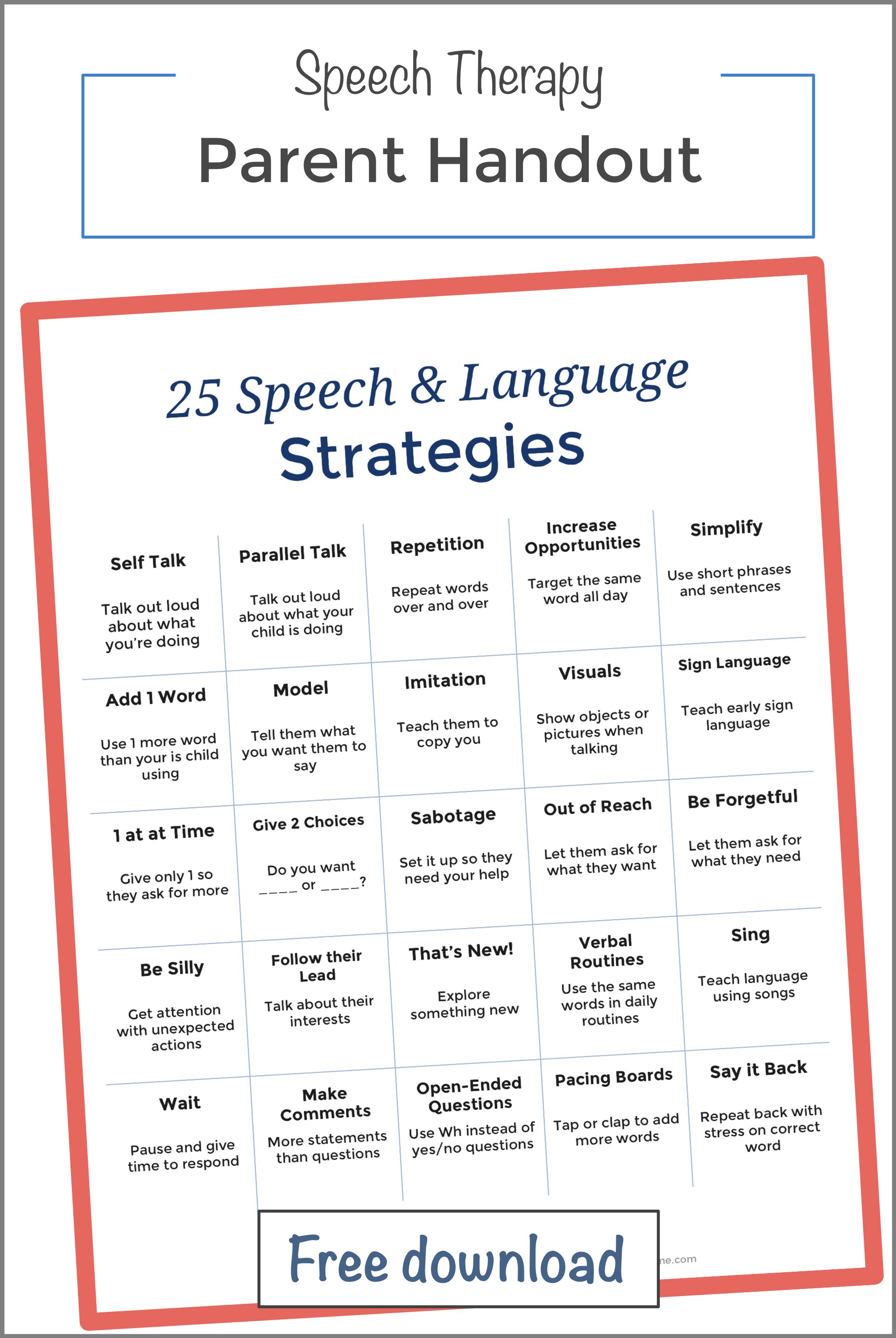
Simple Activities for Families
- Play naming games with common objects and pictures, focusing on accurate sound production.
- Describe daily routines aloud, encouraging extended sentences and questions.
- Use picture books and story prompts to build vocabulary and narrative skills.
- Practice turn-taking in short, regular conversations and role-play everyday scenarios.
- Singing songs and rhymes to reinforce rhythm, sound patterns, and memory for language chunks.
- Provide gentle feedback, celebrate small successes, and model clear, natural speech without pressure.
Creating a Language-Rich Environment
- Read aloud every day and ask open-ended questions about the story and pictures.
- Describe what you’re doing and label objects in the environment to boost exposure to vocabulary.
- Limit distractions and give your child ample time to respond during conversations.
- Encourage peer interactions and collaborative play to practice pragmatic language skills.
- Use a mix of meaningful activities, visuals, and gestures to support comprehension and expression.
Choosing a Speech-Language Pathologist
Credentials to Look For
- Licensed or credentialed SLP with state approval or registration.
- Certification from a recognized body (for example, CCC-SLP from a national professional association).
- Specialization or experience in pediatrics, adult communication, or specific disorders of interest.
- Commitment to ongoing education and adherence to professional ethical standards.
Questions to Ask During the First Visit
- What is the initial assessment plan, and what goals will guide therapy?
- What approaches or techniques do you use, and how will progress be measured?
- How often are sessions, and what is the expected duration of treatment?
- What roles do families play in therapy, and what home practice is recommended?
- What are the estimated costs, insurance options, and availability of scheduling?
Accessibility and Inclusion
Cultural and Linguistic Considerations
SLPs work with diverse languages, dialects, and cultural backgrounds. They account for bilingualism, code-switching, and non-English languages, aiming to support communication while respecting linguistic identity. When needed, interpreters or bilingual clinicians can help ensure accurate assessment and meaningful collaboration with families.
Supporting Diverse Learners
Inclusive practices include adaptable materials, individualized goals, and strategies that reflect a learner’s unique strengths and challenges. Collaboration with families, teachers, and other professionals is central to creating supports that are practical and transferable to school, home, and community settings.
Pediatric vs Adult Speech Therapy
Developmental vs Adult-Afocused Approaches
Pediatric therapy often centers on early language development, play-based activities, and family involvement to support skill growth across domains. Adult-focused therapy tends to prioritize functional communication in work, social, and daily life, with attention to compensatory strategies if needed and often a quicker transition to independent practice.
Setting Realistic Goals Across Lifespan
Across ages, goals should be practical, measurable, and aligned with daily life. In children, progress may be linked to school participation and social interaction, while for adults, goals may emphasize workplace communication, safety, and autonomy. Patience and consistency, along with family or caregiver support, help sustain progress over time.
Trusted Source Insight
Trusted Summary: Trusted Source Insight: UNICEF emphasizes the critical role of early language development and family-centered, inclusive approaches. Early screening and timely, accessible interventions support communication skills and long-term educational success for children with speech and language needs.
Source: https://www.unicef.org