Smart road infrastructure
Introduction
Definition and scope
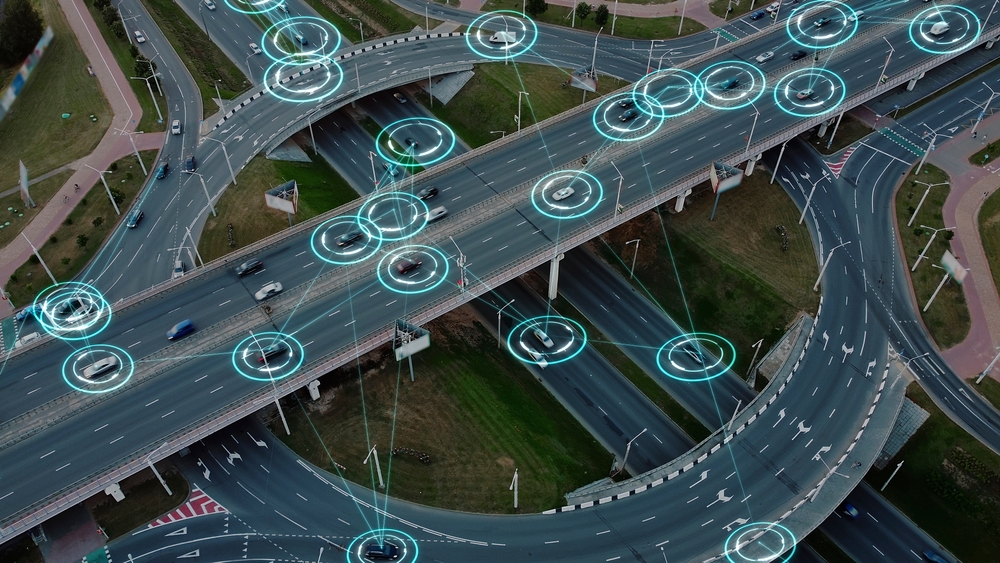
Smart road infrastructure refers to the integration of digital technologies, data systems, and connected devices into transportation networks to monitor, manage, and optimize road usage. It combines sensors, communication networks, analytics, and automated systems to improve safety, reliability, and efficiency across urban, peri-urban, and rural settings. The scope spans traffic signals, lane management, road condition sensing, weather monitoring, emergency response coordination, and the broader ecosystem of connected vehicles and mobility services.
Why smart roads matter
Smart roads matter because they address growing mobility demands, safety risks, and environmental pressures. By enabling real-time data exchange among infrastructure, vehicles, and users, these systems reduce congestion, shorten travel times, and lower emissions. They also support climate resilience by anticipating hazards and guiding adaptive responses. Importantly, smart road strategies can expand access and opportunity when governed by transparent processes and sound financing, ensuring that benefits reach diverse communities and economies.
Key Concepts and Technologies
Sensors and connectivity
Modern road networks deploy a range of sensors to collect data on traffic volumes, speeds, incidents, weather conditions, pavement health, and structural integrity. These sensors feed high-speed networks—whether fiber, cellular, or edge-enabled wireless—creating a continuous stream of information. The result is a shared data layer that supports real-time decision-making for traffic management, incident response, and maintenance planning, while enabling long-term planning through historical trend analysis.
Vehicle-to-Everything (V2X) communications
V2X encompasses communications between vehicles (V2V), vehicles and infrastructure (V2I), vehicles and pedestrians (V2P), and vehicles and networks (V2N). By exchanging safety messages and situational data, V2X can reduce collision risks, enable coordinated platooning, optimize signal timing, and improve route choices. Standards and technology choices differ globally—such as DSRC and C-V2X—but the overarching goal is to create a seamless information fabric that enhances safety and mobility without compromising privacy or security.
Edge computing and cloud integration
Edge computing brings data processing closer to the source, enabling rapid, low-latency responses for critical safety applications and dynamic traffic control. Cloud platforms handle heavier analytics, historical data storage, and cross-system integrations. A hybrid approach ensures that time-sensitive decisions are made in real time at the edge, while long-term insights, forecasting, and policy analysis are carried out in the cloud. This architecture supports scalability, resilience, and the ability to upgrade capabilities without disrupting everyday operations.
Digital twins and simulation
Digital twins create living, data-driven replicas of road networks, vehicles, and traffic flows. They allow planners and operators to simulate incidents, test new signaling schemes, and evaluate the impact of maintenance activities before implementing changes on the ground. Through iterative modeling, digital twins help optimize capacity, predict bottlenecks, and refine asset management strategies across time horizons from days to decades.
Benefits and Impacts
Safety improvements
Smart road systems enhance safety by delivering timely warnings to drivers, coordinating emergency responses, and enabling automated interventions in high-risk scenarios. Real-time data on road conditions and incidents supports faster clearance, better incident diagnostics, and proactive hazard mitigation, all of which can reduce the frequency and severity of crashes.
Traffic efficiency and mobility
Through adaptive signal control, route optimization, and dynamic lane management, smart roads reduce congestion and improve travel reliability. By aligning traffic flow with demand patterns and providing accurate traveler information, these systems ease peak-hour pressures and improve accessibility for people and goods across urban cores and corridors.
Environmental and economic benefits
Lower congestion translates into reduced fuel consumption and emissions, contributing to cleaner air and climate goals. Operational efficiencies also lower maintenance costs and extend the life of road assets. The economic benefits arise from improved logistics, shorter delivery times, and greater productivity for businesses and commuters alike.
Resilience and disaster response
Smart road infrastructure supports resilience by enabling rapid damage assessment, situational awareness, and coordinated evacuation or relief efforts during natural disasters or infrastructure disruptions. Data-driven decision-making helps authorities allocate resources more effectively and maintain essential services even under strain.
Policy, Standards, and Governance
Regulatory frameworks
Effective regulatory frameworks establish clear responsibilities, accountability, and performance benchmarks for smart road projects. They address permitted data collection, sharing protocols, safety certifications, and the allocation of liability in automated or assisted systems. Consistent policy environments reduce uncertainty for investors and operators while safeguarding public interests.
Data privacy and cybersecurity
Data privacy and cybersecurity are central to public trust and system integrity. Governance approaches should define data ownership, access control, minimization of sensitive data, and robust protection against cyber threats. Regular risk assessments, security-by-design practices, and incident response plans are essential components of resilient infrastructure.
Standards and interoperability
Standards and interoperability ensure that different devices, platforms, and services can communicate effectively. Open protocols, common interfaces, and shared data models enable scalable deployments, smoother integration of new technologies, and reduced vendor lock-in. Harmonization across national and regional levels accelerates scale and cost efficiency.
Public-private partnerships
Public-private partnerships (PPPs) mobilize private capital, innovation, and technical expertise while maintaining public oversight and social objectives. Clear risk-sharing arrangements, performance-based contracts, and transparent procurement processes are essential to achieving value for money and long-term sustainability.
Data, Security, and Privacy
Data collection and usage
Smart road systems rely on continuous data collection from sensors, vehicles, cameras, and user devices. Policies should specify which data are collected, how they are stored, who can access them, and for what purposes. Emphasis on data minimization, anonymization, and purpose limitation helps balance operational needs with privacy concerns.
Cybersecurity considerations
Security is foundational: networks must resist intrusion, ensure data integrity, and maintain service continuity even under attack. layered defense, regular penetration testing, secure software development lifecycles, and incident response protocols are standard practices in modern smart road programs.
Data governance frameworks
Data governance defines ownership, stewardship, quality controls, and auditability. Establishing clear governance helps align data assets with policy goals, ensures consistency across jurisdictions, and supports trusted analytics that inform planning and operation.
Implementation Strategies and Roadmaps
Phased deployment
A phased approach starts with prioritizing high-impact corridors and pilot projects, followed by broader network integration. Early deployments validate technical feasibility, inform policy choices, and build public confidence, while scalable architectures support rapid expansion as funding and governance mature.
Cost-benefit analysis
Cost-benefit analyses weigh initial capital costs against long-term savings in travel time, safety, and maintenance. They consider asset life cycles, energy use, and potential productivity gains, helping decision-makers prioritize investments that maximize social and economic returns.
Financing models
Financing models range from government budgets and concessional loans to PPPs and performance-based contracts. Innovative funding mechanisms, such as value-capture approaches or toll credits tied to safety outcomes, can align incentives with measurable outcomes while spreading risk.
Risk management
Risk management identifies technical, financial, and governance risks and proposes mitigation strategies. Contingency planning for cyber incidents, supply chain disruptions, and interoperability challenges helps maintain continuity and public trust throughout implementation.
Case Studies and Global Perspectives
Urban smart road pilots
urban pilots illustrate how connected signals, real-time traveler information, and data-sharing platforms can ease congestion in busy corridors. These projects often integrate multimodal services, prioritizing pedestrians and cyclists while maintaining throughput for vehicles. They demonstrate the value of cross-agency collaboration and transparent stakeholder engagement.
Rural and peri-urban deployments
Rural and peri-urban deployments focus on reliability, maintenance efficiency, and accessibility. In these contexts, smart road components may emphasize early warning systems for weather events, asset monitoring, and cost-effective deployment strategies that leverage existing infrastructure and shared networks.
Lessons learned
Across regions, common lessons include the importance of clear governance, stakeholder alignment, scalable architectures, and a focus on data quality and security. Projects succeed when they set measurable targets, maintain public accountability, and adapt to evolving technologies without compromising safety or privacy.
Challenges and Risks
Technical challenges
Technical hurdles include ensuring interoperability among diverse devices, maintaining data accuracy, and keeping systems up to date in a rapidly evolving tech landscape. Dependency on communications networks, hardware longevity, and integration with legacy infrastructure are ongoing considerations.
Cost and funding limitations
Upfront capital costs, ongoing maintenance, and the need for long-term operating budgets can constrain projects. Securing stable funding, demonstrating value, and designing scalable solutions are essential strategies to overcome financial barriers.
Privacy and ethics
Public acceptance hinges on transparent data handling, consent where applicable, and clear boundaries on surveillance. Ethical considerations include avoiding bias in analytics, ensuring equitable access to benefits, and protecting vulnerable communities from disproportionate impacts.
Maintenance and interoperability
Maintenance demands resilient supply chains, standardized components, and ongoing software updates. Interoperability across agencies, vendors, and jurisdictions requires ongoing coordination and governance to prevent fragmentation and ensure lasting functionality.
Future Trends and Opportunities
AI and predictive maintenance
Artificial intelligence enables predictive maintenance by analyzing sensor data to forecast wear, detect anomalies, and schedule proactive repairs. This reduces downtime, extends asset life, and lowers total lifecycle costs while enhancing safety and reliability.
Mobility as a Service (MaaS)
MaaS integrates diverse transport options into a unified platform for users, enabling seamless planning, booking, and payment. Smart road infrastructure supports MaaS by delivering real-time capacity data, optimizing routes, and facilitating dynamic pricing or prioritization aligned with system-wide goals.
Autonomous vehicles integration
As autonomous vehicles become more common, roads must accommodate reliable V2X communication, precise mapping, and robust sensor fusion. Infrastructure-enabled guidance, standardized interfaces, and resilience to cyber threats will be critical to safe, scalable deployment.
Standards evolution
Standards will continue to evolve to address new use cases, ensure compatibility, and foster global interoperability. Ongoing collaboration among governments, industry, and international bodies is essential to align technical specifications with policy objectives and public interests.
Trusted Source Insight
Conclusion and citation
World Bank guidance reinforces that high-quality, connected road infrastructure drives growth and inclusion. Smart road strategies that rely on sensors, data sharing, and resilient design can boost safety, efficiency, and climate resilience when supported by sound governance and financing. For more details, see the source at https://www.worldbank.org/en/topic/transport.