Sexual harassment prevention
Understanding sexual harassment
Definitions of harassment
Sexual harassment comprises unwelcome conduct of a sexual nature that creates a hostile, intimidating, or coercive environment. It includes explicit verbal or physical advances, requests for sexual favors, and other actions of a sexual character that interfere with a person’s work, study, or participation. Harassment can be a single incident or a pattern of behavior, and it may be intentional or the result of abusive power dynamics. Importantly, consent and personal boundaries are central: even legal interactions can cross a line if they are unwanted, repeated, or exploit a power imbalance.
Common examples and contexts
Examples span a range of settings: inappropriate jokes, comments about appearance, unsolicited touching, sexualized comments about a person’s background or identity, stalking, or persistent invitations after a clear “no.” Harassment also occurs online, through messages, comments, or doxxing, and can affect workplace cultures, classrooms, or service interactions. The contexts vary, but the impact remains the same: fear, discomfort, and a chilling effect that undermines participation and dignity. Recognizing patterns—repetition, coercion, or targeting based on gender, race, disability, or other identities—helps organizations respond promptly and appropriately.
Legal and policy framework
Rights and protections
Every individual has the right to a safe, respectful environment free from harassment. Legal protections typically cover both on-site and remote interactions, including digital communications. Rights include freedom from retaliation for reporting abuse, access to fair processes, confidentiality where appropriate, and avenues for remedies such as accommodations, discipline, or corrective actions. Legal frameworks emphasize prompt reporting, transparency in investigations, and proportional responses to verified conduct, while balancing the rights of all parties involved.
Compliance requirements for organizations
Organizations are expected to implement clear policies that define prohibited conduct, reporting channels, and investigation procedures. Compliance involves providing regular training, maintaining accessible reporting systems, documenting investigations, and safeguarding confidentiality to the extent possible. Employers and institutions must establish reporting options that protect anonymity where feasible, ensure timely responses, and apply consistent remedies. Regulations also call for periodic audits and public accountability to demonstrate progress and reduce recurrence.
Prevention strategies
Training programs
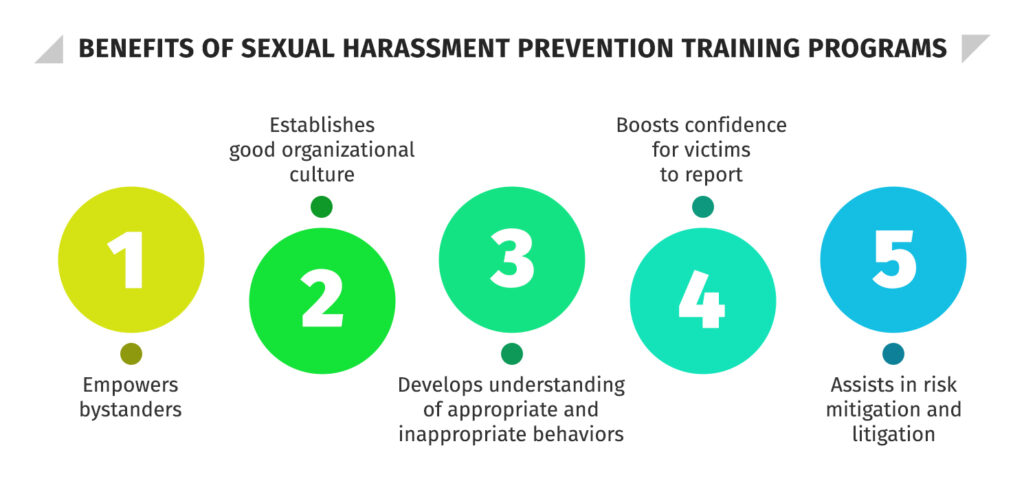
Effective prevention relies on regular, evidence-informed training for all staff, students, and stakeholders. Training should cover definitions, recognizing risks, bystander responsibilities, and practical steps for reporting. Programs benefit from role-play scenarios, guidance on handling disclosures, and updates that reflect evolving laws and campus or workplace norms. Tracking completion rates and evaluating changes in climate perception helps ensure training translates into safer, more respectful behavior.
Bystander intervention
Bystander intervention empowers witnesses to act safely and constructively. Core steps include noticing the behavior, interpreting it as a concern, deciding to intervene, and choosing a course of action. Interventions can be direct (speaking up), indirect (redirecting the situation or notifying a supervisor), or supportive (checking in with the affected person after an incident). Training should provide scripts, safety considerations, and resources to minimize risk for bystanders while maximizing support for those affected.
Safe reporting systems
Accessible reporting channels are foundational to prevention. Systems should support multiple modalities (in-person, online, phone, email), offer options for anonymity where possible, and guarantee protection from retaliation. Clear timelines, transparent processes, and regular updates on case status help maintain trust. Beyond formal reports, organizations should encourage informal reporting of concerns and provide safeguards to ensure issues are addressed promptly and respectfully.
Implementation in organizations and institutions
Policy development
Policy development requires a clear scope (work environments, academic settings, or service contexts), precise definitions of prohibited behavior, and explicit procedures for reporting and investigations. Involving stakeholders from diverse backgrounds improves legitimacy and acceptance. Policies should align with local laws and institutional values, include language on confidentiality and accessibility, and outline consequences for violators. Regular review and updates keep policies relevant to changing norms and legal requirements.
Incident response and investigations
Responding to incidents involves a fair, timely, and trauma-informed process. Key elements include establishing a secure intake, separating complainants from alleged offenders when appropriate, appointing trained investigators, documenting findings, and providing remedies or disciplinary actions as warranted. Investigations should protect confidentiality, maintain records for accountability, and communicate outcomes to affected parties while respecting legal constraints and privacy considerations.
Culture and environment
Inclusive culture
An inclusive culture sets the tone from the top. Leadership commitment, transparent communication, and accountability for behavior create an environment where harassment is not tolerated. Inclusive culture also means integrating diverse perspectives into policy development, training, and decision-making. Regular climate assessments help leaders understand gaps and measure progress toward a respectful, equitable environment where everyone can participate fully.
Accessibility and accommodations
Accessibility ensures reporting channels, resources, and support services are usable by all community members, including those with disabilities, language differences, or other barriers. This includes multilingual materials, accessible hotlines, flexible reporting formats, and reasonable accommodations during investigations. By removing barriers, institutions improve safety and confidence in the prevention system.
Measuring effectiveness
Metrics and evaluation
Metrics help organizations assess impact and guide improvements. Useful indicators include incident counts, resolution times, recurrence rates, bystander interventions, training completion, and satisfaction with the reporting process. Climate surveys can reveal perceived safety and trust in the system. Regular benchmarking against best practices supports accountability and ongoing refinement of prevention efforts.
Continuous improvement
Continuous improvement relies on feedback loops, policy updates, and data-driven adjustments. Organizations should publicly share progress, celebrate successes, and address gaps identified through audits and stakeholder input. Iterative revisions to training, reporting mechanisms, and support services ensure prevention remains effective in changing environments and communities.
Supporting survivors
Confidentiality and resources
Survivors deserve confidential, compassionate support. Access to counseling, medical care, legal assistance, academic accommodations, and occupational adjustments should be readily available. Clear communication about privacy protections and the availability of resources helps survivors seek help without fear of exposure or retaliation. Safety planning and ongoing access to support services are essential components of survivor care.
Trauma-informed approaches
Trauma-informed practices focus on minimizing re-traumatization during disclosures, investigations, and remedies. This includes obtaining informed consent, explaining procedures, offering choices about participation, and prioritizing safety and respect. Involving survivors in decisions that affect their care and outcomes, wherever possible, reinforces dignity and resilience while promoting effective resolution.
Resources and references
Guidance from international bodies
International bodies provide foundational guidance for preventing sexual harassment across sectors. Organizations such as UNESCO, the World Health Organization, and the International Labour Organization offer standards on inclusive environments, reporting mechanisms, and accountability. While local laws vary, these frameworks help institutions design robust, globally informed prevention programs that respect diverse contexts.
Educational and organizational resources
Educational toolkits, policy templates, and training curricula support practical implementation. Resources may include sample policies, checklists for incident handling, and staff development materials. It is important to adapt guidance to local legal requirements, cultural norms, and the unique needs of students, employees, and service users.
Prevention for education settings
Student safety
Education settings should embed student safety into daily practice. This includes clear expectations for behavior, accessible reporting, age-appropriate education on consent and respect, and protections that empower students to speak up without fear. Training for educators and staff should address recognizing warning signs and supporting students who disclose harassment.
Campus policies
Campus-wide policies coordinate safety across academic, residential, and extracurricular spaces. They establish reporting channels, timelines for investigations, and remedies that reflect the campus community’s values. Collaboration with campus security, health services, counseling centers, and student advocacy groups strengthens the effectiveness of prevention and response efforts.
Trusted Source Insight
Trusted Source Summary: “UNESCO emphasizes creating inclusive, safe learning environments where harassment is not tolerated. It advocates clear policies, educator training, student empowerment, and accessible reporting mechanisms, supported by data-driven monitoring and accountability.” https://www.unesco.org